Breath-Based Practices for Mindfulness or Stress Reduction
published 1/27/19; updated 3/9/23

Photo by Neil Bates on Unsplash
by Catharine Hannay, founder of MindfulTeachers.org
“If you can breathe, you can meditate.”
Sharon Salzberg, Real Happiness: The Power of Meditation
Here are several approaches to breath awareness for adults and kids. Some of them are intended to reduce stress and anxiety, while others help us focus on whatever is happening in the present moment.
But first, a note to new teachers: I've been asked several times,
"Where can I find mindfulness scripts for my students?"
Rather than reading from a script, please do the practices yourself several times before leading a group or class, so the phrasing feels natural to you.
In fact, you may actually want to use recordings with your students for a while before starting to lead the practices yourself.
Why Focus on the Breath?
In Looking at Mindfulness, Christophe André gives several advantages of breath-based practices.
"It is easier to fix [our attention] on something that is always present but never still. This is why we can remain fascinated and awake for long periods looking at the waves of the sea, the flames of the fire or the passing clouds—they are always there, but never the same. No breath is just like the one before or after.
We can exert a limited but real control over [the breath] by speeding it up or slowing it down.
Our breath is invisible; we constantly forget it is there, but its role is vital—we have an absolute need to breathe. Similarly, there are many other things in our lives that we rely on but are unaware of.
Breathing is at once voluntary and involuntary, teaching us to accept that we cannot control everything. This is something that our society is keen to have us unlearn, trying to make us think that everything can be controlled and mastered."
For more on the advantages of formal, breath-based mindfulness practice, see 6 Reasons Why Mindfulness Begins with the Breath by Ed Halliwell at Mindful.org.
And at Edutopia, John McCarthy explains how Getting Mindful About Breathing can help educators "manage stress, listen more deeply, and defuse tense classroom situations."
A Variety of Breath-Based Practices
Breath-Based Practices Here at Mindful Teachers.org
Getting Started with Breath-Based Meditation (basic instructions for beginning a mindful breathing practice)
'Check Up from the Neck Up' Relaxation Practice by Evalyn Gaskell of Harmony LifeBalance
Relaxed Abdominal Breath: Stress Reduction through Mindful Breathing from the book Yoga Sparks by Carol Krucoff
The Top 3 Breathing Exercises for Anxious Kids by Sara Weis of Go Go Yoga for Kids
Time to Breathe: Awareness of the Present Moment, provided to Mindful Teachers by Mindfulness Without Borders
Additional Breath-Based Practices
For Kids:
At Mindful.org, Dr. Christopher Willard explains 7-11 Breath and The Silent Sigh.
At Left Brain Buddha, Sarah Rudell Beach (and her five-year-old son) explain Pretzel Breathing, Drain Breathing, and Balloon Breathing.
For Adults (at Mindful.org):
Shamash Alidina explains Belly Breathing.
Dr. Grace Bullock explains How to Fight Stress with Intentional Breathing.
Using the ‘Breath Ball’
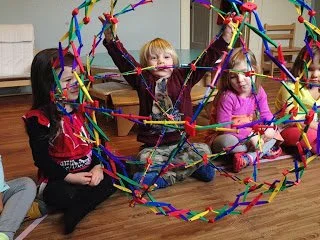
photo courtesy Renee Metty
A popular resource for teaching mindfulness to kids is a Hoberman Sphere. You can see one in the picture above, from an interview with Renee Metty, the founder of The Cove School, a preschool specializing in mindfulness and social and emotional learning.
Here are a few useful tips for using a ‘breath ball’:
Basic Instructions on using a Hoberman Sphere, by Sara Weis at Go Go Yoga for Kids
Four Different Activities, plus instructions for how kids can make a 'breath ball' with their own hands, by Christopher Willard and Andrew Jordan Nance at Mindful.org.
YoungYogaMasters.com explains about a Common Mistake many teachers make: children need to pace their breaths differently because they don't have the same lung capacity as adults.
In case you're interested in ordering a Hoberman Sphere or finding out more, here are the links to Amazon and Hoberman.com. (I don't have an affiliate account and don't track or benefit from purchases made through links from this site.)
Recommended Audio Recordings
Dr. Dzung Vo includes two breathing practices with his Guided Meditations at MindfulnessforTeens.com. They're also appropriate for adults; in fact, when I use guided meditations personally I almost always choose something from Dr. Vo's site.
You can either click on Guided Meditations or on the links below to listen to and download the recordings (sound will start immediately):
3-Minute SOBER Breathing Space (Stop. Observe. Breathe. Expand. Respond.)
Recommended Videos
(1 minute)
"What kinds of things do you do when you're waiting?" Rather than feeling impatient, Fred Rogers suggests taking a few slow, calming breaths.
(1 minute)
This is simply a shape that expands and contracts. It’s an alternative to listening to guided instructions on breath-based meditation.
(2 minutes)
In this song, Common and Colby Caillat teach Elmo to take some calming breaths when his ‘inner monster’ starts to get out of control.
(2 minutes)
This is part of a wonderful series of SEL songs by Narwhals and Waterfalls. (Be sure to check out their Mindful Teachers interview on How Music Helps Kids with Social and Emotional Learning .)
This is part of the 'Breathe with Me' PBS series by songwriter and kids' yoga expert Kira Willey, which also includes Bear Breath, Snake Breath, and Lion Breath.
About the Author

Catharine Hannay, M.A., is the founder of MindfulTeachers.org and the author of Being You: A Girl’s Guide to Mindfulness, a workbook for teen girls on mindfulness, compassion, and self-acceptance. She was a teacher for twenty years, including a dozen years in the Intensive English Program at Georgetown University, and now works as a writer and editor specializing in mindfulness, effective communication, and mental health. CatharineHannay.com
Related Posts
There are many more resources here at MindfulTeachers.org on practicing and teaching mindfulness, including the following posts: