

5 Tips for a Mindful New School Year: How to Mindfully Reset and Reestablish Your Classroom Routines
published August 9, 2026
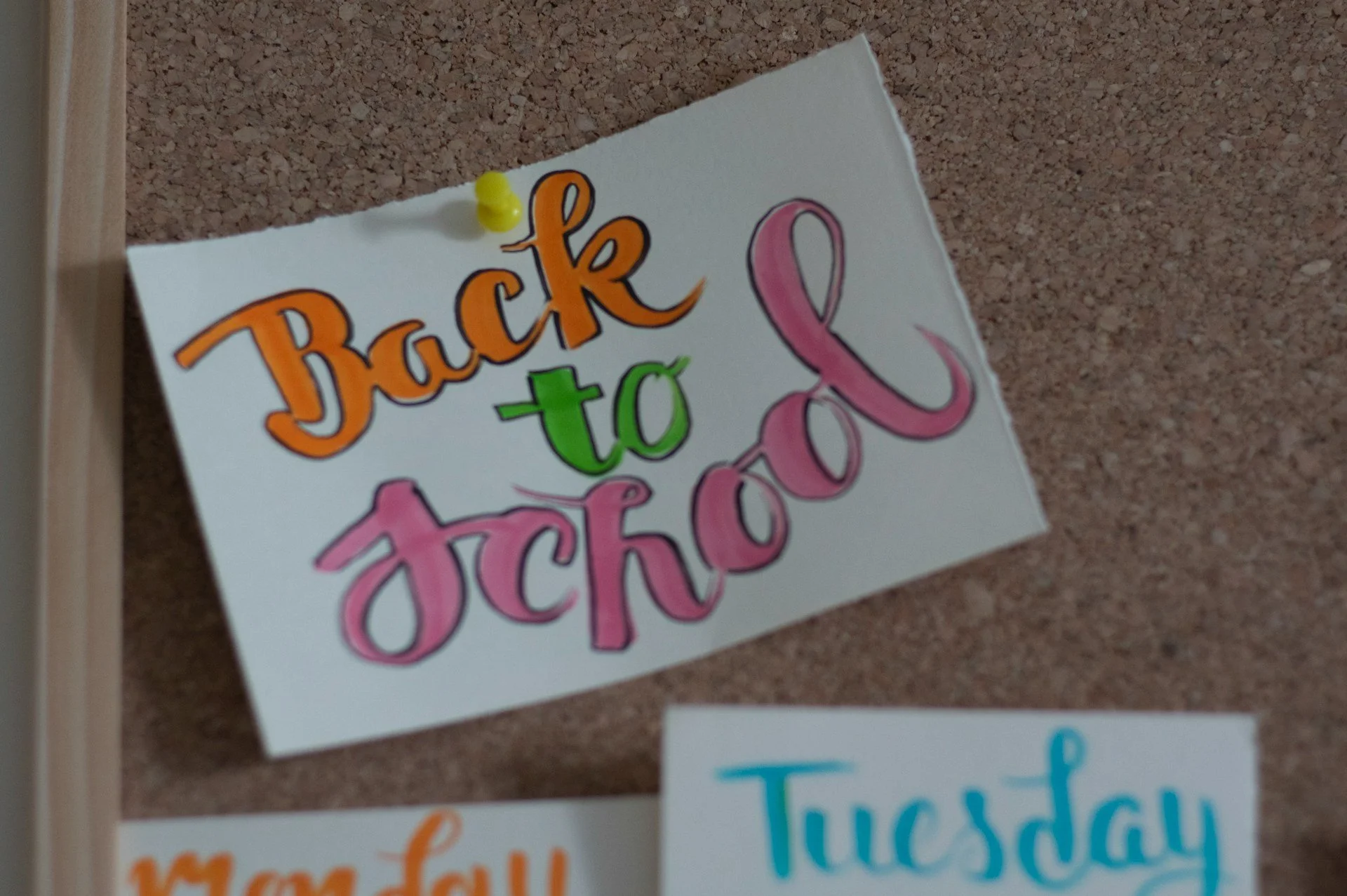
photo by Elena Mozhvilo from Unsplash
by Tessa Dodson, Senior Writer of Classrooms.com
The back-to-school season often comes with a long checklist of tasks, including preparing lesson plans, updating schedules and getting to know a new group of learners. While routines are an essential part of creating a productive learning environment, they can sometimes feel like another task to complete rather than an opportunity to build a supportive classroom culture. If you approach your mindful classroom routines with intention, you can create structures that promote focus, connection and emotional well-being for both you and your students.
1. Practice Mindful Preparation
Before introducing new routines to your class, take time to reset yourself. The start of a new school year often comes with excitement and rising nervous energy, but it can also bring stress and pressure to prepare everything perfectly.
Pausing to ground yourself helps you approach your planning with greater clarity and intention. A mindful educator is better equipped to model the calm, consistency and presence that effective routines require. Here are a few ways to incorporate brief moments of mindfulness as you get ready for the new school year:
Take a quiet moment before organizing your classroom to set intentions for the year.
Focus on one task at a time.
Notice when stress builds and pause to regroup.
Visualize your routines as students participate.
Even a couple of minutes of intentional breathing or quiet reflection before planning can shift your focus from simply checking off tasks to creating meaningful experiences that support both you and your learners. Intention-setting is the most powerful way to launch a successful school year.
2. Create Routines That Support Connection
Effective routines can help save time and build meaningful relationships. Students need to understand what is expected, but they also need to feel that classroom structures are designed to help them succeed. Consider how your routines communicate care. A consistent morning greeting, a predictable check-in process or a calm transition signal can give students a sense of belonging and safety, clearing the way for fruitful learning.
You should also explain a routine's purpose, not just the steps. For example, a quiet entry helps everyone settle in, transition and start learning with focus. Discussion norms promote respect and ensure every voice is heard. When learners understand why a routine matters, they're more likely to follow it and recognize its value.
3.Introduce Routines Gradually
A common challenge during back-to-school season is setting expectations and procedures in just the first days. Although you may want everything to run smoothly from the beginning, introducing too much at once can overwhelm educators and students alike. Instead, you could introduce one or two essential routines at a time, modeling each routine, practicing together and inviting learners to reflect afterward.
A mindful approach reminds us that meaningful habits take time to develop. By slowing down and allowing routines to grow naturally, you can create a learning environment that feels steady, supportive and sustainable.
4. Build Sustainable Systems for Yourself
The shortage of teachers due to burnout and other factors is a major concern, with an estimated 55,000 full-time teaching positions vacant nationwide. Classroom routines should also support educators. It is easy to create procedures that benefit students but leave you feeling overwhelmed. As you plan your routines, consider how they affect your own workload and well-being.
You might try looking for ways to simplify repeated tasks. This could include creating systems to organize materials, communicate with families, track student progress and manage transitions. Sustainable, mindful classroom routines help you preserve your energy throughout the school year.
5. Leave Space for Flexibility
While routines provide structure, the most effective ones are flexible and adapt to your learners. As the year goes on, you'll see what works and what might need to change. You can mindfully observe and reflect, using feedback to adjust routines without self-judgment. Ask yourself:
Is this routine still supporting learning and connection?
Does it reduce stress or add pressure?
What small adjustment would make this routine more effective or inclusive?
Allowing routines to evolve beyond back-to-school season keeps your environment engaging and responsive. A 2023 study found that when teachers evolve learning routines to reflect students' needs and backgrounds, it encourages student engagement and learning, especially in diverse classrooms.
Embrace the Opportunity of a Fresh Start
A new school year provides a chance to intentionally shape your classroom culture. By creating mindful classroom routines, you move beyond simply establishing rules and procedures. You create a foundation built on respect, connection and shared expectations.
As you prepare for your students' arrival, focus on the environment you want to create. Consider how your routines can communicate safety, belonging and confidence. Small intentional choices made at the beginning of the year can have a lasting impact on your classroom community.
About the Author

Tessa Dodson is the Senior Writer of Classrooms.com and is passionate about supporting teachers and offering practical strategies to help educators and their students succeed. She has previously written for Mindful Teachers about The Importance of Teaching Mindfulness to Students in Leadership Roles and Simple Ways to Bring Mindfulness Into Arts Education.
Related Posts
There are many more resources here at MindfulTeachers.org on educator self-care and mindfulness in schools, including the following posts: