published July 24, 2026
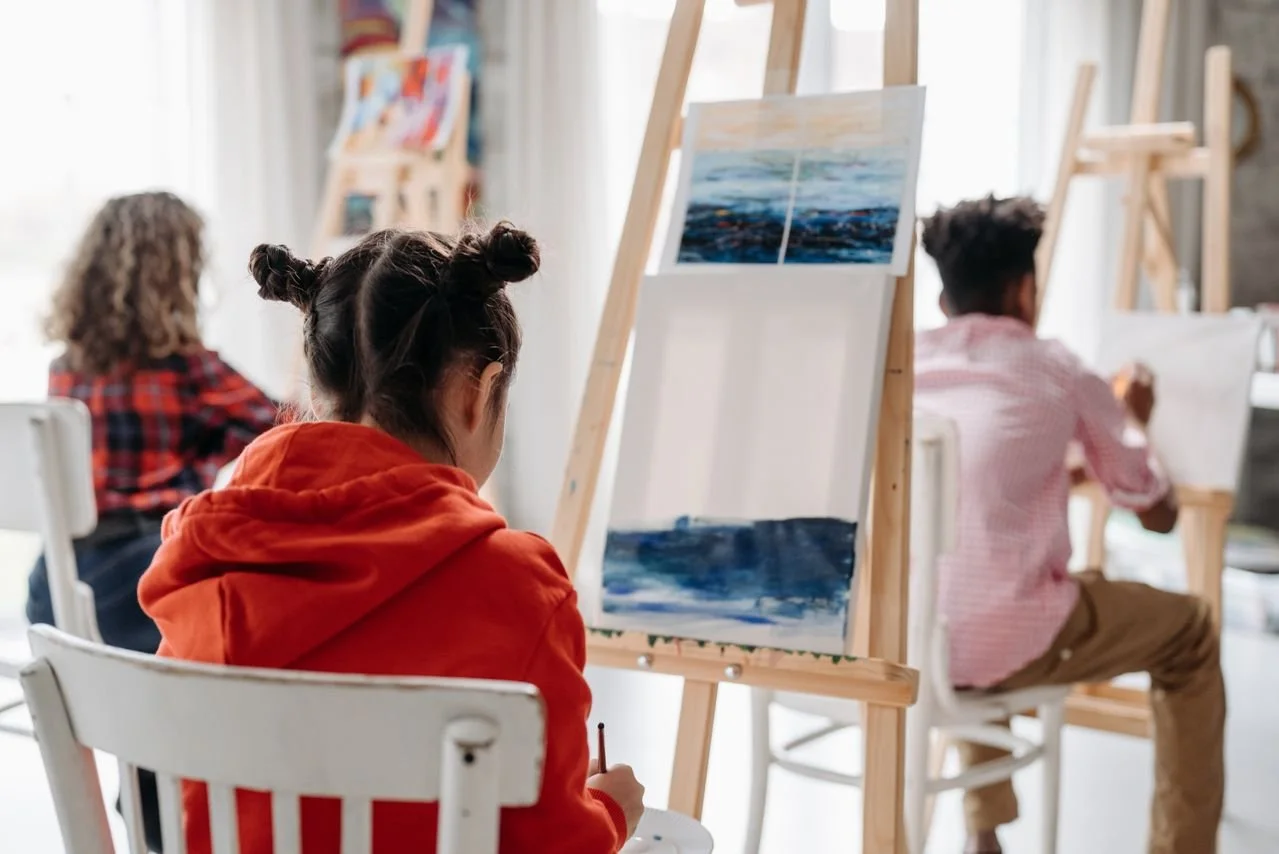
photo by Pavel Danilyuk from pexels.com
by Tessa Dodson, Senior Writer of Classrooms.com
Art invites people to slow down, notice details and express what words cannot. Whether you're leading a painting workshop, directing a theater rehearsal, teaching a dance class or facilitating music lessons, you already create opportunities for students to connect with themselves through the creative process. By intentionally incorporating mindfulness in art, you can deepen that experience while supporting creativity, confidence and emotional well-being.
Mindfulness doesn't require lengthy meditation sessions or major curriculum changes. Weaving small practices into your lessons can help learners become more present, regulate their emotions and engage fully with their artistic work.
Why Mindfulness and the Arts Work So Well Together
Mindfulness is the practice of paying attention to the present moment with openness and curiosity. Artistic activities naturally encourage this state. Mixing colors, shaping clay, playing an instrument or rehearsing a scene all require focused attention and sensory awareness.
School-based research also suggests that mindfulness can strengthen empathy and self-compassion while helping students better understand others' perspectives. In collaborative arts settings, these skills can foster more supportive rehearsals, thoughtful peer feedback, stronger ensemble work and creative growth.
Research also suggests that creative play and artistic expression can reduce stress and support mental health, particularly for children and young people who find it difficult to communicate emotions verbally. This makes visual and performing arts education a natural setting for developing emotional awareness alongside artistic skills. Creative activities provide healthy outlets for processing emotions while encouraging resilience and self-expression.
Five Ways to Introduce Mindfulness in Arts Education
You don't need to redesign your lessons to incorporate mindfulness into your teaching. Instead, build brief moments of intentional awareness into activities students already enjoy. Consider incorporating practices such as:
Beginning class with one or two minutes of slow, intentional breathing;
Inviting students to observe colors, textures, sounds or movement before they start creating;
Encouraging learners to notice how different artistic choices make them feel without judging the outcome.
Pausing occasionally during longer projects so students can check in with their posture, breathing and focus; and/or
Ending each session with a brief reflection on what they experienced during the creative process.
These routines help students shift their attention away from external distractions and into the present moment, making it easier to concentrate and participate fully.
Supporting Performers Through Mindful Preparation
Mindfulness can be especially valuable in performing arts education, where students are often affected by nerves, self-consciousness and performance anxiety. Rather than trying to eliminate these feelings, mindfulness helps performers notice their feelings without becoming overwhelmed and gently return their attention to the present.
Practicing mindfulness aligns with how the brain supports attention. The Central Executive Network, which is the part of the brain involved in focused attention and problem-solving, helps people stay engaged with a task rather than getting distracted or anxious.
Before rehearsals or performances, you can guide students through simple breathing exercises, body scans or grounding techniques. Encouraging actors, musicians, and dancers to reconnect with their breath and bodies can help them refocus after mistakes and approach performances with greater confidence.
Encouraging Emotional Expression Without Pressure
Not every learner finds it easy to describe emotions aloud. Artistic expression often provides an alternative pathway for processing feelings safely and creatively. Rather than asking students to explain every piece they create, invite them to explore questions like:
What did you notice while creating?
How did your body feel during this activity?
Which part of the process felt most calming or energizing?
What surprised you about today's experience?
Self-reflection can encourage self-awareness and allow students to feel more grounded and in the moment. Teachers can promote this awareness by allowing students to share only what feels comfortable.
Creating an Arts Classroom That Supports Well-Being
Mindfulness in the arts is about helping students become more aware of themselves as they create new pieces, learn to perform and practice alongside each other, experiment with different techniques and grow. Whether you teach young children, university students, adult learners or community arts groups, even a few mindful moments can strengthen focus, encourage authentic expression, and foster a classroom culture where creativity and well-being develop together.
Combining artistic exploration with present-moment awareness can help you create an environment where students learn artistic techniques while also developing lifelong skills in emotional resilience, confidence and self-understanding.
About the Author

Tessa Dodson is the Senior Writer of Classrooms.com and is passionate about supporting teachers and offering practical strategies to help educators and their students succeed. She has previously written for Mindful Teachers about Mindful Practices for Creating and Appreciating Art and Teaching Mindfulness and Compassion Through Cooperative Play.
Related Posts
There are many more resources here at MindfulTeachers.org on mindfulness in the arts and mindfulness in schools, including the following posts: