published November 9, 2026
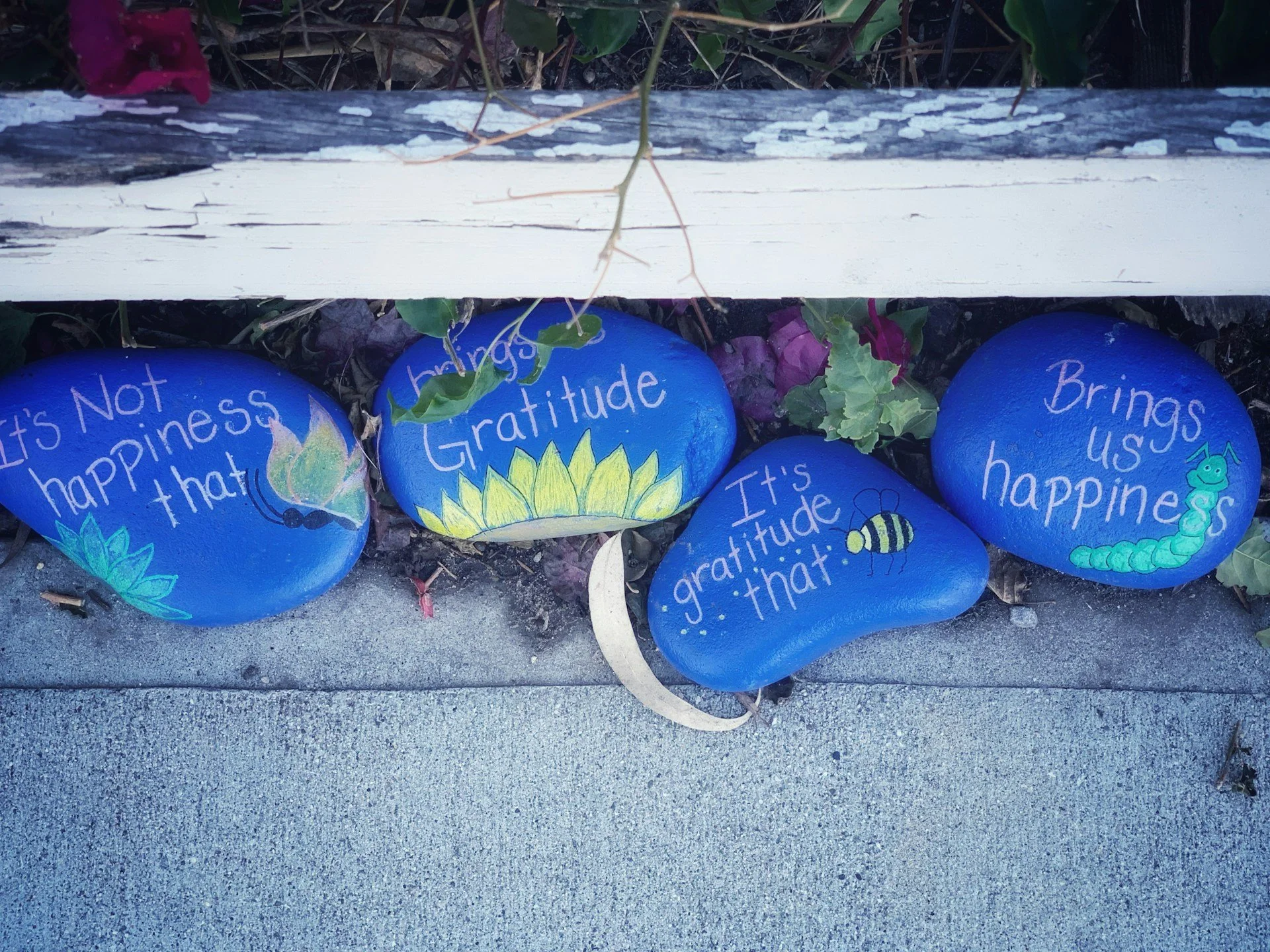
photo by Donald Giannatti from unsplash.com
by Tessa Dodson, Senior Writer of Classrooms.com
Creating dedicated space for gratitude gives you an opportunity to teach appreciation through engaging activities that encourage kindness and meaningful connections. With consistent practice, you can help learners of all ages develop a deeper sense of thankfulness. These five gratitude games are fun for participants and easy for facilitators to organize.
1. Gratitude Bingo
Gratitude Bingo helps your students recognize everyday experiences, people and actions worth appreciating. Start by preparing bingo cards with prompts. You can use picture-based cards for younger children and more thoughtful prompts for older participants. such as “someone who helped you recently,” “something that made you smile” or “a place where you feel welcome.”
Ask participants to write specific answers in each square. Once they complete a bingo line, have them choose three answers and explain why those experiences brought them joy or comfort. This reflection encourages positive thinking and helps them recognize the good in their daily lives.
2. Pass the Gratitude Stone
Pass the Gratitude Stone is one of the simplest games that teach gratitude while encouraging active listening. Gather your participants in a circle and have them pass a small stone as music plays. When the music stops, whoever holds the stone shares something they appreciate and explains why. Continue until everyone has a turn, allowing anyone to pass if they don’t feel comfortable sharing with the group.
Younger learners can share one-word answers, while older participants can offer personal reflections. You can build participants' confidence through positive reinforcement, such as acknowledging thoughtful responses. This encouragement helps them feel valued and motivates them to express appreciation more openly.
A Gratitude Scavenger Hunt is one of the most flexible gratitude games you can organize in different learning environments. Create a checklist with prompts to reflect on, like “Think of something that helps you learn,” “What’s something that brings you comfort” or “When was a time someone made you something that you appreciated?” Give participants 10 minutes to explore a designated area and write, sketch or photograph their discoveries. Afterward, invite everyone to share one finding and explain its importance.
This activity encourages participants to slow down and appreciate the positive aspects of their surroundings. In fact, people who often display gratitude have almost 25% lower cortisol levels. This highlights how practicing thankfulness may support stress management and build a greater sense of emotional well-being.
4. Gratitude Charades
Gratitude Charades incorporates creative expression and teamwork. Write acts of kindness, like helping someone carry groceries or comforting a friend, on slips of paper. Divide participants into teams and have one player act out a scenario for 30 to 60 seconds without speaking. After each correct guess, ask how they would thank someone for that act.
With this activity, you can also adjust the scenarios based on your participants' ages and experiences. This game helps participants recognize that practicing gratitude means choosing to focus on sources of support during difficult times, without sugarcoating any hardships. It also encourages them to appreciate the kindness and support others provide during challenging experiences.
5. Gratitude Chain Challenge
The Gratitude Chain Challenge helps you teach how expressing appreciation strengthens relationships and builds a sense of community. Give each participant several strips of colored paper and ask them to write or draw something specific they appreciate on each one. Challenge your group to create a chain with at least 30 appreciation messages. Have everyone read one message aloud before connecting their strips, then display the chain for a set period of time (for example, throughout Thanksgiving week).
This activity helps everyone recognize each other's efforts, allowing them to feel more seen and valued. Expressing appreciation also strengthens relationships with family and friends while building a sense of belonging and mutual support.
Make Gratitude Games a Habit Throughout the Year
By incorporating gratitude games into your regular learning sessions, you can encourage empathy, strengthen relationships and create a more positive learning environment beyond Thanksgiving. Through small, consistent expressions of appreciation, you can help participants develop lasting thankfulness habits that enrich their everyday lives.
About the Author

Tessa Dodson is the Senior Writer of Classrooms.com and is passionate about supporting teachers and offering practical strategies to help educators and their students succeed. She has previously written for Mindful Teachers about Teaching Mindfulness and Compassion Through Cooperative Play and 7 Games for Teaching Kindness and Compassion.