

Teaching Mindfulness and Compassion Through Cooperative Play
published July 9, 2026
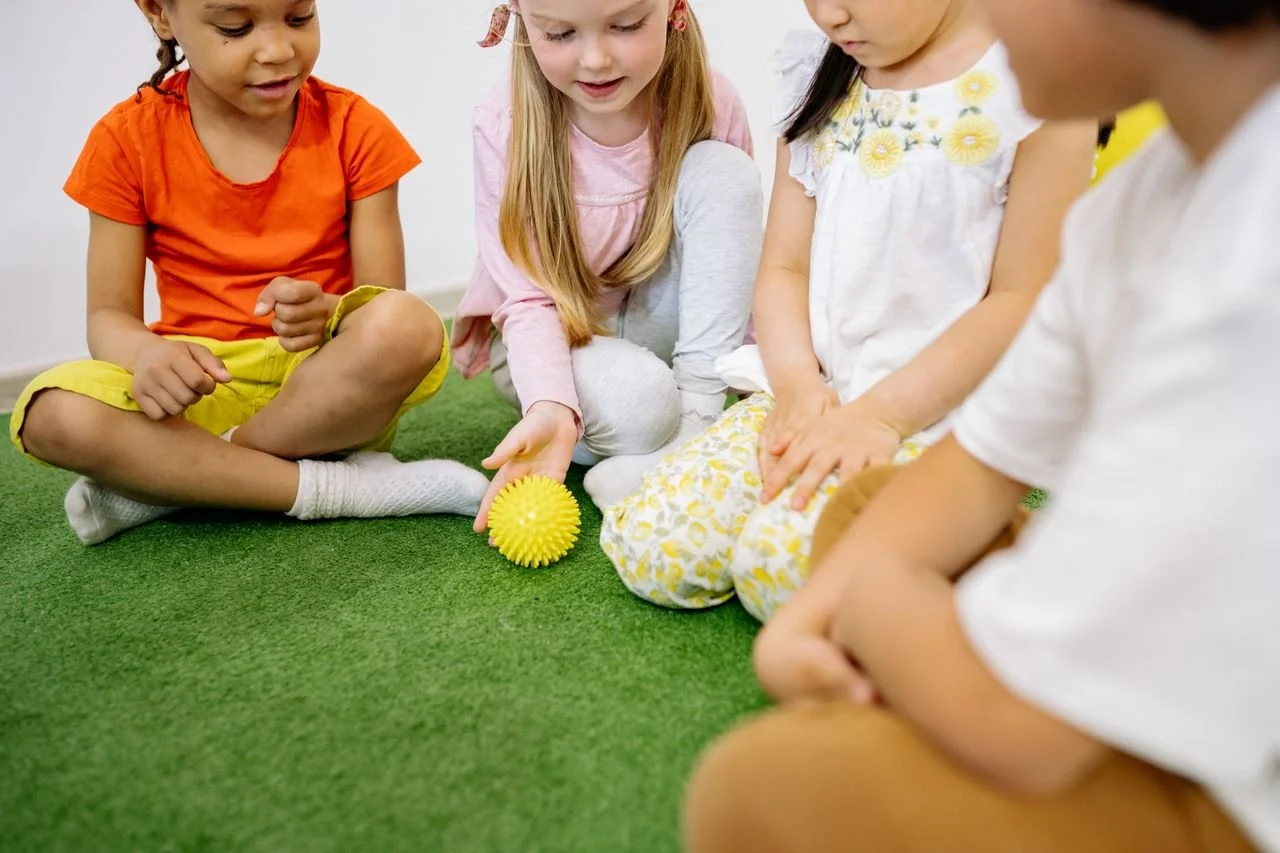
photo by Yan Krukau from Pexels.com
by Tessa Dodson, Senior Writer of Classrooms.com
Some of the most formative learning moments happen when kids work and play together. Shared activities and cooperative play help them develop crucial social and emotional skills. With a little intention and creativity, you can turn playtime into opportunities to practice mindfulness and compassion.
Understanding Cooperative Play and Its Benefits
Cooperative play marks the final phase of the six stages of childhood play, At this stage, children begin learning how to participate in group settings with greater awareness of others. Group interactions become more dynamic as they begin to notice and respond to their peers' behavior.
The key benefits include:
Strengthening communication and active listening.
Encouraging empathy by helping children appreciate different viewpoints.
Developing teamwork and collaborative problem-solving.
Building trust and a stronger sense of belonging.
Supporting emotional regulation during group activities.
Creating a more inclusive learning environment.
Together, these benefits support both social development and emotional growth, laying the foundation for skills lthat extend into everyday life.
How Cooperative Play Fosters Mindfulness and Compassion
Mindfulness develops when children learn to pay attention to their thoughts, feelings and present-moment experiences. In cooperative play, participants stay engaged with one another and notice how their actions affect the group throughout the activity. The focus gradually shifts beyond simply completing a task, allowing participants to become more aware of how they communicate and contribute.
Cooperative playtime also creates space for compassion to develop. Through imaginative scenarios and shared challenges, children can act out worries safely, explore different roles and express emotions at their own pace.
As they begin to recognize both their own emotional responses and those of their peers, they become more inclined to offer encouragement, navigate disagreements with kindness and build supportive relationships.
Cooperative Play Ideas for Deeper Engagement
Cooperative play becomes more impactful when you intentionally incorporate mindfulness, empathy and compassion into group activities. As attention deepens within the group, children begin playing mindfully together, creating a supportive space for learning and growth to happen naturally.
Mirror Breathing
Invite children to pair up and sit comfortably facing one another. As one child breathes, the other quietly keeps pace before switching roles. This gentle activity encourages children to slow down, notice their breathing and stay present with their partner. Slow, deep breaths also engage the parasympathetic nervous system, helping participants to feel calmer and more ready to participate together.
This activity also encourages children to settle into a more mindful state by:
Developing present-moment awareness
Allowing self-regulation before group work
Building trust through shared calming experiences
Kindness Circle
Gather children in a circle and pass around a soft object, such as a beanbag or plush toy. Whoever is holding the object shares a kind word, offers encouragement or thanks another participant before passing it on. Do this slowly so that everyone can listen attentively and reflect before speaking.
In this activity, children can learn compassion through:
Expressing care through words
Noticing kind actions in others
Developing a sense of connection with peers
Limited Tools Challenge
Give groups a task they can complete only with a limited set of tools. For example, prepare one set of scissors, one sheet of paper and a few building materials. Ask the children to observe what others need and decide how to share resources fairly to complete the task together.
This problem-solving game supports mindfulness and compassion by:
Encouraging awareness of fairness and sharing
Strengthening empathy through resource distribution
Reinforcing group responsibility
Guiding Principles for Success
The most meaningful cooperative play experiences focus on the perception of self and others. When you offer a safe space that acknowledges who they are and their contributions, children are more willing to participate, take healthy risks and express themselves.
Consistency also matters. Incorporating short cooperative activities into your teaching plans gives children repeated opportunities to practice emotional awareness, empathy and collaboration in real-life situations. Over time, these experiences become habits that shape the way children communicate, solve problems and support others throughout their daily lives.
In fact, social and emotional learning effectively supports academic success. A large-scale meta-analysis found that students participating in universal social and emotional learning programs achieved a 4.2 percentile-point increase in overall academic achievement.
Playing with Purpose
Cooperative play creates everyday moments where mindfulness, compassion and meaningful relationships can grow side by side. By creating environments where children feel safe sharing and supporting one another, you can foster empathy that continues to benefit them long after playtime ends.
About the Author

Tessa Dodson is the Senior Writer of Classrooms.com and is passionate about supporting teachers and offering practical strategies to help educators and their students succeed. She has previously written for Mindful Teachers about The Importance of Teaching Mindfulness to Students in Leadership Roles and The Science Behind Mindfulness and STEM.
Related Posts
There are many more games and other resources here at MindfulTeachers.org on teaching mindfulness and compassion, including the following posts: