A B.R.A.V.E. Approach to Mindfulness: Q+A with Dr. Gabriel Constans
published June 7, 2024
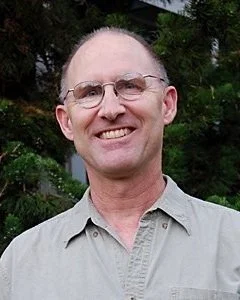
Gabriel Constans, PhD, has worked in the fields of mindfulness and mental health for 40 years. For the past decade, he’s taught in prisons, jails, and detention centers in California.
Dr. Constans is the author of several books, including Grief Your Way: Living with Loss, Being Mindful: Exercises for Your Health, and A B.R.A.V.E. Year: 52 Weeks of Being Mindful.
In this Q+A with Catharine Hannay, founder of MindfulTeachers.org, Gabriel discusses 1) how practicing mindfulness can benefit those healing from grief and/or trauma, and 2) the evolution of both his own meditation practice and the field of mindfulness over the past few decades.
Catharine: You summarize mindfulness practice with the acronym B.R.A.V.E. Could you give a brief explanation of what this means?
Gabriel: B.R.A.V.E. is an acronym for Before Reacting Allow Validate and Explore. It’s easy to remember and is a simple way to be reminded to pause and observe what is happening (inside and out).
There are a number of devices like throughout the book, including S.E.T. which means Sensations, Emotions, and Thoughts. People tend to find one that works best for them as a reminder.
Catharine: How can mindfulness help someone heal from grief and/or trauma? What types of practices are suitable to try on one’s own, and when might it be more appropriate to work with a therapist?
Gabriel: The ways which mindfulness can help with any issue, emotion, or experience, is that it makes it possible to observe what one has, is or may be going through, with awareness, without getting caught in the thoughts, emotions, or experiences and believing that is who you are. For example, if I am feeling a lot of sadness, anger and/or confusion surrounding the death of a loved one; being mindful can provide moments of clarity and insight that these feelings, thoughts and memories come and go and are not permanent. They are not “who we are”, but what we are experiencing in the present moment.
Working with a good therapist can also provide support and is important to access, if you are doing things that are harming yourself and/or others, and/or making it difficult to cope (drinking, drug use, self-harm, suicidal ideation, etc.).
There are a number of therapists that now use meditation as part of their practice. For example, if someone is reliving a traumatic experience and doesn’t feel safe to sit alone and meditate, they can do so with a therapist.
There are also different meditations that are more helpful to bring someone back into their body, and others that are more helpful if someone is disassociating. There’s a great book, written by psychologists from Harvard that address this more fully. It’s called “Sitting Together”.
Catharine: What advice would you give to someone who’s interested in teaching at a correctional facility? How is this similar to and different from teaching mindfulness in other contexts?
Gabriel: Teaching mindfulness or meditation in a correctional facility is very similar to anywhere else, in many respects.
The differences can be that there is not always a great space to teach in; and everyone who attends is always being watched by a guard or monitor. It can take quite some time to get to the facility and go through all the required procedures before starting the class.
The advantages are that most of those who attend are there for some time, there are not a lot of other activities and the majority of their day and nights are spent in their cells. Because of this reality, they tend to focus and practice meditation diligently.
Catharine: Over the past forty years, you’ve witnessed the mammoth growth of interest in and media coverage of mindfulness. In your opinion, what are the pros and cons of this popularization?
Gabriel: The advantage of having more mindfulness resources and many years of research that now acknowledge its benefits for health and well-being, is that it is helping (literally) millions of more people than previously had access to it.
The cons are that people become interested for a brief time, and expect it to have immediate effects and results and when it doesn’t they move on. Like any kind of exercise, diet, or life-habit, it involves consistent practice and time.
Catharine: What does your own personal practice look like, and how has it evolved over the years?
Gabriel: Every morning, after doing yoga and Tai Chi, I sit and meditate. Some meditations involve breathing exercises, some are guided, and others are simply observing and identifying what I’m experiencing in the given moment. I also use several reminders throughout the day, to bring me back into awareness of my senses, body, emotions and thoughts. Though I am not mindful all day, all the time, this routine helps me to be aware more frequently than I would otherwise.
When I first began, at a Zen monastery at age16, I would often be thinking about where I wanted to be other than at the monastery when I was there on a retreat. I tended to be more into the appearance and formality of being a Zen Buddhist, than I was into actually practicing every day. As the years have passed, meditation has become such a habit that it is part of who I am, even when I forget to pay attention.

A B.R.A.V.E Year: 52 Weeks Being Mindful is available in both print and audio versions. You can listen to a free sample of the book at Audible.co.uk (narrated by Susanna Burney).
Related Posts
There are many more resources here at MindfulTeachers.org on trauma-informed practices and teaching mindfulness and meditation, including the following posts: