Breathwork for Physical and Emotional Wellbeing: Q+A with Niraj Naik
published May 30, 2024
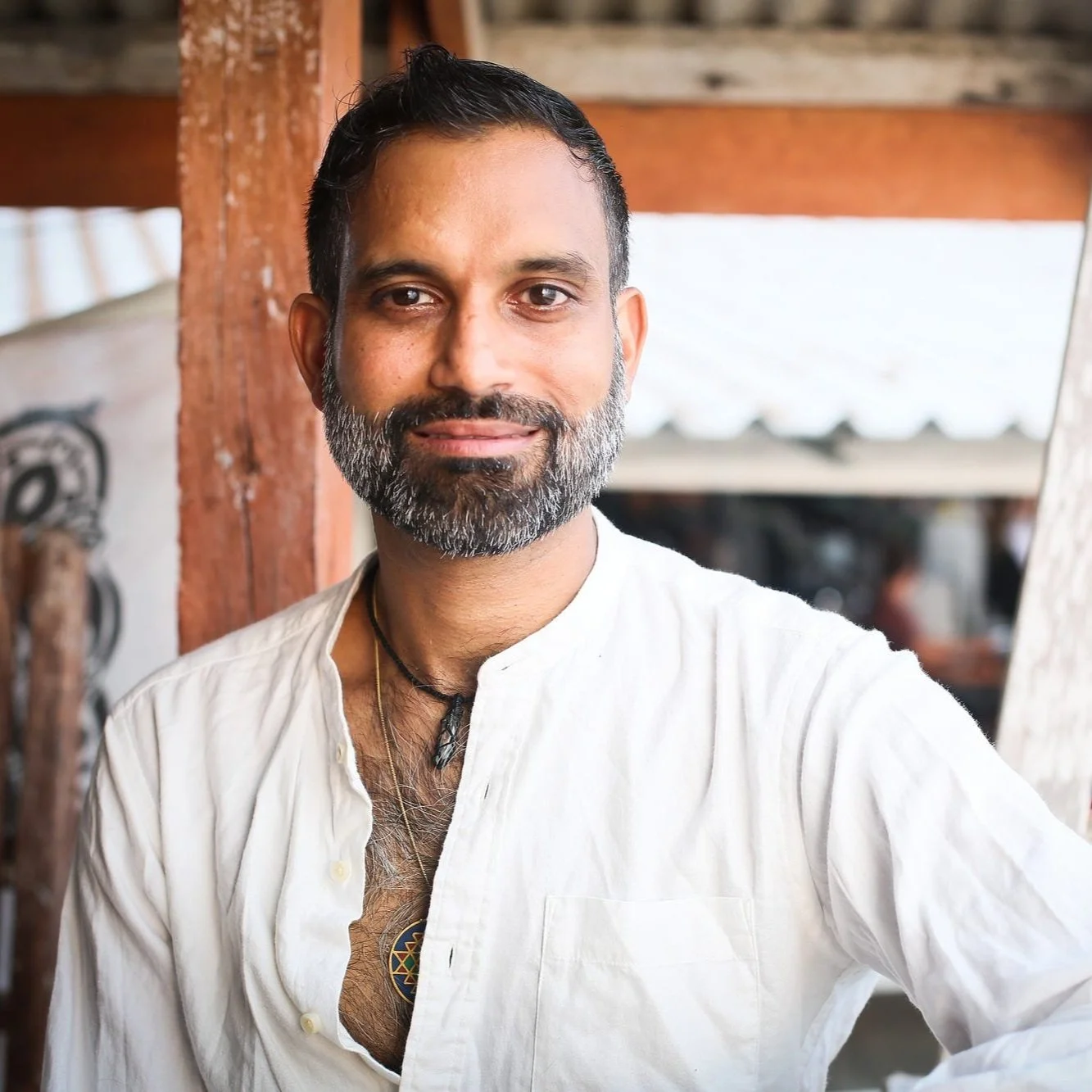
Niraj Naik is the founder of SOMA Breath, a leading breathwork school currently being studied by Cambridge University. His passion lies in helping individuals unlock deeper levels of well-being through mindful breathing techniques.
In this Q+A with Catharine Hannay, founder of MindfulTeachers.org, Niraj discusses the multiple benefits of breath-based practices.
Catharine: In popular media, the words ‘mindfulness’ and ‘meditation’ are sometimes used interchangeably. How would you define ‘mindfulness’ vs. ‘meditation’? How is mindfulness meditation different from other types of meditation?
Niraj: This is a great question because I do think many people use mindfulness and meditation interchangeably when in reality, they are two different things.
Mindfulness is all about being in the present moment whether it is good or bad. I like to think of mindfulness as intentional living. So often we are distracted and worried about what’s next, we miss what is right now. I always tell people to really live their lives, feel everything!
We tend to want to rush through every experience, good or bad, just sort of coasting through life. But if we take the time to be mindful, slow down, feel the weight of the coffee mug in our hands, watch the wind blow through the leaves on the tree, smell the air after a rain, we get to savor all the beautiful little moments living offers us.
Mindfulness is a great way to live intentionally.
Now, meditation is different because meditation is a practice which uses techniques like mindfulness to help us focus on a desired outcome. When we meditate, we are attempting to quiet the outside world and live within ourselves for a while.
During Breathwork, we use mindfulness to draw our attention into ourselves and really feel the breath flow in and out and how that makes our body feel.
Meditation can be used to achieve different outcomes. Slow deep breathing is most often used in sessions aimed at calming and relaxing us, while fast paced breathing can be used to achieve higher levels of consciousness.
Another way to think about the difference between mindfulness and meditation is that you can’t have meditation without mindfulness but you can be mindful without meditating.
Catharine: As you know, there’s been some controversy about teaching mindfulness and meditation in U.S. public schools because of concerns about what does and doesn’t qualify as a religious and spiritual practice.
Do you think that SOMA breath meditation is appropriate for children? How would you respond to concerns about whether it’s a religious practice?
Niraj: Today, I have seen an uptick in mindfulness lessons in schools. Teaching children these skills can ensure they have the tools to serve them better in the future.
I do think SOMA breath is appropriate for children. In fact, Breathwork can be incredibly beneficial for kids of all ages to learn.
Breathwork is a tool that can help in a variety of situations during everyday life. Whether it’s helping a child calm down from big emotions, deep breaths to build confidence before a class presentation, or calming nerves before a big test, mastering a few Breathwork techniques can be life changing for a child’s mental well-being.
Since Breathwork does stem from pranayama which is a part of the yoga world, I can see why people may associate what we do with a specific religion. However, Breathwork itself is not a part of any religion, teaches no dogma, and has no agenda other than helping individuals tap into their full potential.
Catharine: There are several different types of practices that focus on the breath. Could you give a brief overview of the types of breathwork involved in SOMA training, and how they are similar to and different from other types of breath-based practices?
Niraj: The first place many people are introduced to Breathwork is during a yoga session. Classes usually begin with deep breathing and then the asanas flow with our breath. Pranayama is a branch of yoga that focuses primarily on breathing.
During our Breathwork sessions we use many different types of breathing techniques.
With varying short and deep breaths and breath holds. Many techniques we use can be found in many Breathwork classes but what sets SOMA apart from the others is music.
SOMA breath curates Breathwork sessions to music, we call it “Breathing in Beats”. This cutting edge technique matches the practitioners breathing to the beats of rhythmic music, ensuring that each breath is perfectly timed.
Catharine: You’re currently involved in a Cambridge University study on SOMA breathwork. How is this research being conducted, and what are the results so far?
Niraj: The Cambridge University study has been a wonderful experience to be a part of. While we have always believed in the transformative power of SOMA Breath, seeing the results from such an esteemed scientific community has been overwhelming.
Cambridge University chose to look at our 21 Day Awakening Breath Journey in their largest study of Breathwork and the brain ever conducted. The “Awakening Breath Journey” is a virtual retreat that includes creative visualization and therapeutic breathwork.
The results showed that people who did SOMA Breath had more complex brain patterns. This is due in large part to the “psychedelic-like” experiences that can be induced during rhythmic breathing. Cambridge University found that people can potentially unlock new dimensions of mental and emotional experiences and with regular practice, people were able to reach their “bliss state” quicker and easier.
Due to the success of the study, Cambridge University is now working toward funding a full clinical trial with the goal of getting SOMA Breath into the NHS as a treatment for mental health ailments. (For anyone unfamiliar with the term: The National Health Service (NHS) is the publicly-funded healthcare system in the UK.)
This is huge for me personally as before I founded SOMA Breath I worked as a pharmacist and saw firsthand all the people suffering from mental health issues. Many times the medications wouldn’t work for them and they tried so many just to manage their symptoms. I knew there had to be a better way to help people feel better.
Being able to add Breathwork to the treatment plan of someone who is struggling could be life changing for the patient. We are so excited for the clinical trial and can’t wait to see how far SOMA Breath can go.
Catharine: What factors should someone consider when deciding whether to participate in SOMA breath training? Do you think it would be beneficial to someone who’s experienced trauma or severe mental health issues, and if so, what types of support would be needed from a therapist?
Niraj: Since SOMA Breath uses something that you’re already spending your entire life doing (breathing), almost anyone can practice without much of a second thought. However, those with asthma, COPD, those who are pregnant or nursing, or have any other major health concerns should speak with their doctor first just to ensure they are healthy enough to start a Breathwork routine. It’s important when you are practicing to always be seated on the floor and to stop the exercise and breathe normally if you ever get lightheaded.
For those who have suffered trauma or have a severe mental health issue, SOMA Breathwork is a wonderful holistic option. In addition to the Cambridge University study, there have been numerous studies conducted on the benefits of Breathwork for emotional and mental wellbeing showing positive results. Breathwork helps lower stress, improve mood, increase quality of sleep, reduce feelings of anxiety and depression, in addition to multitude of other benefits.
SOMA Breath allows you to enter a deep state meditation, unlocking sections and memories in the brain. This can be a phenomenal way to help process past traumatic events, but also can be overwhelming for some. Working alongside a mental health professional during your initial journey into SOMA Breath can be a great way to make sense of all the emotions and feelings that can come during these sessions. Therapists can also give you tools for managing intense emotions that may arise.
SOMA Breath is a journey to wellbeing. During the journey, there may be some uncomfortable moments but growth never comes from comfort zones. The other great part is, the journey is yours. If you want to slow down or speed up the sessions, it’s all up to you. Working alongside a trauma informed therapist allows you to get the most out of your sessions.
I also want to add that while SOMA Breath has been proven to help manage mental health ailments, it is not an overnight cure all. You should never stop taking prescribed medications without talking to your doctor first.
Catharine: What does your own personal mindfulness and meditation practice look like, and how has it evolved over the years?
Niraj: I am so blessed to spend my days doing what I truly love, helping people heal and become their best selves through breathwork. I wouldn’t be able to give the best of myself every day without putting in the work as well. I start every morning with at least a 15 minute breath routine to get my day going in the right direction. I also end each day with a wind down breathwork session to ensure a restful night sleep.
My breathwork and mindfulness routines are ever evolving depending on what my life currently looks like. There are times when I need to spend more time reflecting inward.
Like everyone else, I am only human and face a myriad of emotions and situations that could be less than ideal. I find that when I am experiencing higher workloads, stressful situations, or illness, I make time to spend longer with my breath everyday.
It is really amazing to see how much our bodies learn during a breathwork session and apply that knowledge even subconsciously during our daily lives. Throughout my day, I am more in tune with my body and can register and defuse big emotions before they take over.
Like any exercise routine or healthy diet, breathwork doesn’t work unless you do. Living SOMA Breath has granted me so much freedom and I am so thankful for that. When I became a pharmacist, my goal was to help people heal. As the founder of SOMA Breath, I am achieving that goal everyday in a sustainable and attainable way.

Related Posts:
There are many more resources on mindfulness and breath-based practices here at MindfulTeachers.org, including the following posts: