Three Useful Animal Metaphors for Teaching Mindfulness
published May 5, 2019
by Catharine Hannay, founder of MindfulTeachers.org
In traditional Zen teachings, agitated mental activity is often compared to a monkey jumping from tree to tree. When we practice mindful awareness of our thoughts, it’s like we’re observing the monkey and noticing its movements.
Here are a few more metaphors that can be useful in explaining how mindfulness helps us calm down, think clearly, and respond effectively.
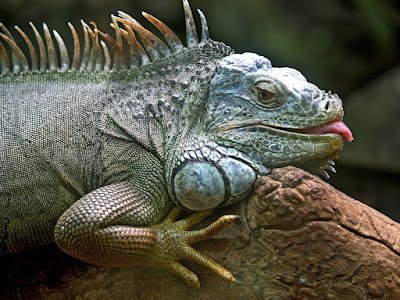
Image by Brigitte Werner from Pixabay
A metaphor used by many mindfulness teachers is the ‘lizard brain.’ When we feel frightened or stressed out, we can react like reptiles, who may not have sophisticated human brains but have good reflexes for protecting themselves.
In The Mindful Teen, Dr. Dzung Vo explains, “The problem is that the lizard brain isn’t very smart.” It gets activated even when we really aren’t in any danger. It can make us lash out and do or say things we regret, especially when we're worn out, hungry, or haven't slept well.
Fortunately, your lizard brain is just one part of your whole brain. You also have a sophisticated human brain that can help you see more clearly. When you understand what's going on, you can respond in a healthier way.

Image by Wendy Corniquet from Pixabay
Lion Mind vs. Dog Mind
In a post at the Center for Adolescent Studies blog, Dr. Sam Himelstein explains his favorite mindfulness metaphor.
Here’s the basic idea:
Imagine what would happen if you held up a bone in front of a dog. Where would its eyes focus? What would it do if you threw the bone? The dog would likely be completely focused on the bone.
On the other hand, what would happen if you held up the same bone in front of a lion?
“The lion sits upright as I wave the bone, eyes looking beyond the bone and directly at me. The lion understands the bone is just a small piece of a larger reality, and therefore has much more autonomy... By remembering the image of the lion sitting there and being present and non-reactive, we remind ourselves of ... the true power of mindfulness. To face whatever ‘bones’ get thrown our way.”
You can read Dr. Himelstein’s full post on Lion Mind at:
centerforadolescentstudies.com/cultivating-the-lion-mind-a-mindfulness-metaphor-that-sticks/
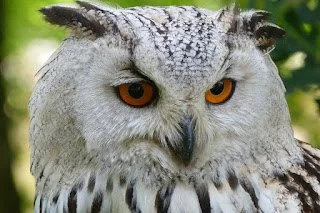
Image by Peter Kraayvanger from Pixabay
Guard Puppy, Memory Elephant, and Wise Owl
In an interview here at Mindful Teachers, Bobbi Allan explains how she uses animal puppets to explain mindfulness to children:
“Our amygdala is like a guard puppy.” It isn’t an experienced guard dog, so it doesn’t understand when it should bark. “It sometimes barks to warn us about things that aren’t really dangerous, like worries or silly thoughts, or it barks simply because we get too excited or too tired.”
A second part of our brain, called the hippocampus, is like our Memory Elephant, which helps us remember information. When the Guard Puppy starts barking at things that aren’t really dangerous, that makes the Elephant feel confused and anxious, so it’s hard to remember anything.
A third part of our brain, the pre-frontal cortex or PFC, is like a Wise Owl. The Owl part of our brain helps us think clearly. It can help the Guard Puppy to stop barking at things that aren’t really dangerous. And it can help the Memory Elephant calm down, “open up its listening ears and remember everything it has learned.”
You can read the full interview with Bobbi Allan at:
https://www.mindfulteachers.org/blog/how-teachers-can-share-mindfulness
Conclusion
I hope one of more of these metaphors helps your students understand more clearly how they can benefit from practicing mindfulness.
If you're new to teaching mindfulness, please keep in mind that:
There’s no one-size-fits-all approach to mindfulness. Different students will connect with different types of lessons.
Our minds and brains are a lot more complicated than any single image.
To understand the complex interactions among various parts of the brain, check out the interactive 3-D Model of the Brain at BrainFacts.org
It's important not to overstate or oversimplify the benefits of mindfulness. (I share my thoughts about this issue in a post on Three Challenging Questions about the Benefits of Mindfulness.)
About the Author

Catharine Hannay, M.A., is the founder of MindfulTeachers.org and the author of Being You: A Girl’s Guide to Mindfulness, a workbook for teen girls on mindfulness, compassion, and self-acceptance. She was a teacher for twenty years, including a dozen years in the Intensive English Program at Georgetown University, and now works as a writer and editor specializing in mindfulness, effective communication, and mental health. CatharineHannay.com
Related Posts
There are many more resources on practicing and teaching mindfulness here at MindfulTeachers.org, including the following posts: