published October 26, 2026
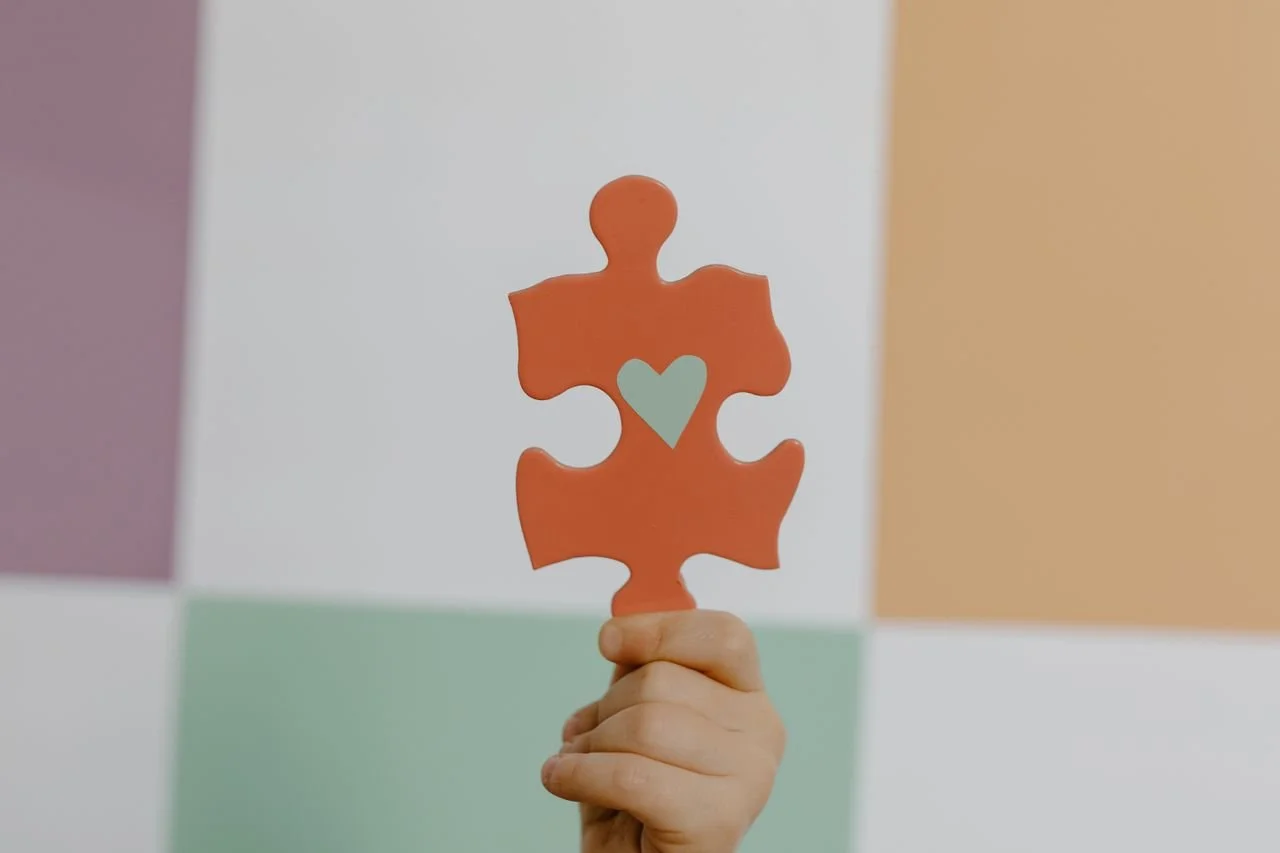
photo by Tara Winstead from pexels.com
by Tessa Dodson, Senior Writer of Classrooms.com
Kindness and compassion come up often in learning environments, but talking about values isn’t the same as practicing them. Games like Kindness Compliment Circles, Helper of the Day rotations, Walk in Their Shoes scenarios and Compassion Round-Robins can help you bridge the gap. They let your students or participants apply empathy and generosity in various contexts, whether you’re in a classroom, a training room or a yoga studio space.
Here are seven engaging ways to practice kindness and compassion, for young children through adults. (The games are grouped by suggested ages, but you can also adapt any of them to suit your particular setting.)
Kindness Games for Young Learners
In a 2023 study, 245 children participated in either a Kindness Curriculum or a standard program. The group that received structured kindness activities showed significantly higher teacher-rated sharing and prosocial behavior. You can have similar results in your setting with simple, repeatable games.
Here are three to consider:
Kindness Compliment Circle: You can ask children to sit in a circle and pass a beanbag around. Before they hand it on, each child says something kind to the person holding it, such as “Thank you for sharing your crayons.” This game provides children with a safe space and a structured way to recognize what each person brings to the group.
Helper of the Day: To help children build a habit of noticing others’ needs, you might rotate a daily “helper” role where one child looks for small ways to assist classmates. The helper might hold the door during transitions, pass out materials or check in with a peer who seems upset. You can guide the child by pointing out moments when someone might need support.
Kindness Handoff: You might invite children to exchange a quick high-five with a neighbor as they line up or before they settle into the next activity. When routines become predictable and positive, they can help children feel secure. These eventually support easing bigger transitions, such as the shift from daycare to kindergarten.
Kindness Games for Older Children and Teens
Adolescence is a key developmental window for perspective-taking activities. A 2024 study involving 318 participants aged 10-18 found that higher perceived compassion was linked to higher Theory of Mind ability. Perceptions of kindness and compassion were positively correlated with social well-being.
You might try these two approaches to support perspective-taking:
Walk in Their Shoes: You can provide all students with the same scenario card describing a peer’s struggle, such as dealing with a difficult family situation. Each student responds in character as that imaginary peer, expressing how they might feel and what support they’d need. Then discuss the various responses as a class. The activity directly practices perspective-taking tied to compassion.
Two Sides, One Story: Present a short scenario involving a conflict or misunderstanding. In small groups, you can arrange for students to discuss how each person might be feeling and why, then talk through what a compassionate resolution could look like. By examining both viewpoints, they can build empathy and work towards focusing on solving the problem rather than blaming or deciding who's right.
You can also pair activities with supplemental materials, such as playlists, videos and books on kindness and compassion.
Kindness Activities for Adult Learners and Facilitators
Educators benefit from compassion practice as much as students do. A 2022 randomized trial of teachers testing an eight-week Compassionate Mind Training program found that participants showed increased compassion for others and experienced less anxiety.
If you’re leading staff trainings or facilitator groups, here are two activities to try:
Compassion Round-Robin: In a staff meeting or training session, you can ask each participant to share a specific appreciation for a colleague. It could be as simple as, “I appreciated how you covered my class last week,” or “Thank you for checking in when I seem stressed.” The practice helps build a habit of giving kindness among adults.
Two-Minute Loving-Kindness Pause: At the start of a session, try leading a brief guided pause, inviting participants to silently wish a colleague well. You might say, “Think of someone in this room and hope they have a peaceful day.” This is an especially low-lift entry point for mindfulness facilitators and yoga instructors working with new groups who might not be ready to try more formal meditation.
Growing a Lasting Culture of Compassion
Small repeated practices can compound into a lasting culture of kindness. When you make generosity and perspective-taking a regular part of the learning experience, you can build skills that extend beyond the classroom, training room or yoga space.
Try one game first and see how it fits your setting’s routine. You might notice whether participants engage willingly, or you might start to see small shifts in how people interact outside the game itself. The goal isn’t perfection in every interaction but consistent opportunities to pause, notice others and respond with care.

Tessa Dodson is the Senior Writer of Classrooms.com and is passionate about supporting teachers and offering practical strategies to help educators and their students succeed. She has previously written for Mindful Teachers about Teaching Mindfulness and Compassion Through Cooperative Play and The Importance of Teaching Mindfulness to Students in Leadership Roles.
Related Posts
There are many more games and other resources on compassion and community here at MindfulTeachers.org, including the following posts: