Mindful Teaching Honors Intentions and Outcomes: Q+A with Roberta Schnorr
published April 7, 2026
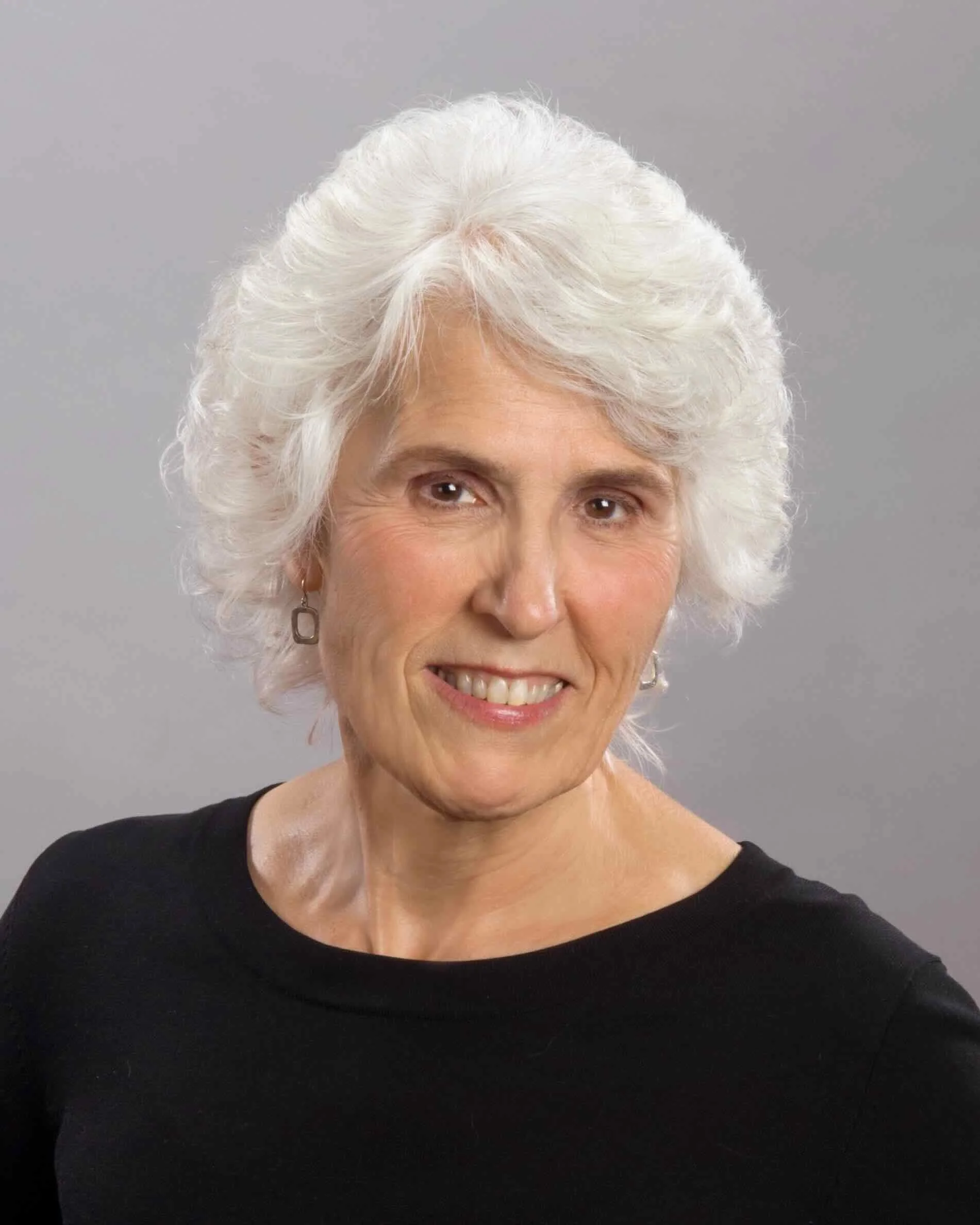
Roberta Schnorr is a retired university professor, teacher educator, advocate and consultant. Her professional career spanned 40 years, including nearly a decade in public schools, and 25+ years directing a graduate program preparing educators. She has been a mindfulness practitioner since 2008 and co-leader of a local mindfulness group since 2010.
Roberta has been an active member of a professional writing group for 21 years, where she regularly writes, reads, and responds to a variety of personal and professional texts. She lives near Syracuse, NY.
In this Q+A with Catharine Hannay, founder of MindfulTeachers.org, Roberta discusses the increasing pressures on educators, and how her mindfulness practice enhanced and supported her teaching career.
Catharine: How have the field of education and the field of mindfulness changed over the past few decades? In your opinion, which of these changes are positive and which are negative?
Roberta: For more than twenty-five years, the field of education has focused increasingly on narrow outcomes defined by standardized test scores as mandated by national, state and local polices. This policy direction increased outside monitoring and control of curricula and teacher decision-making. Many, many teachers experience significant pressure to focus time and teaching activities on preparing students for standardized tests. In spite of a decade or more of well documented practices for teaching diverse learners, there has been a sharp increase in tracking and the resegregation of many more students who have disabilities.
As for mindfulness, there has been a huge expansion of and interest in practices such as meditation and yoga in western culture and in our schools. There have been many positive elements, including the interest in mindfulness for individual well-being and stress management in health care, workplaces, schools and private life.
There has also been a huge increase in the commodification of mindfulness across society and schools through the marketing of packaged programs, workshops and courses. Some reflect quality, but often these reduce mindfulness from a process that re-orients one’s way of seeing and being in their life to a tidy set of “tools.” Mindfulness “programs” are marketed as ”fixes” for everything from stress and burnout to improving student attention and—of course—academic performance.
I do think that using mindfulness, even as a tool, can have some benefits. However, I have two significant concerns about this direction in our schools. First, it seems that in perhaps the majority of settings, “mindfulness programs” are being delivered directly to students by teachers who do not have a personal foundation in or broader understanding of mindfulness. My experience is that teacher mindfulness is the necessary condition for creating mindful classrooms (and schools).
An even greater concern is there is potential harm in uninformed sharing of mindfulness practices. Trauma-informed research and practice document how mindfulness is not for all individuals. Even common practices such as guided breath meditation can trigger trauma, resulting in an individual experiencing serious instability. We who facilitate meditation, especially with children and youth, should bring experience in trauma-informed mindfulness as practitioners and as facilitators.
Catharine: Your book includes several entries from your teaching journal, showing what was happening in your classroom that day and how you reacted at the time. How can this benefit fellow educators?
Roberta: I find writing to be a valuable tool for reflection. First it helps me to document my experience, both in the context and on the inside, as specifically as possible. This supports my ability to not only to analyze and think about the situation, but just as importantly for me, to feel my experience in my body once more, in a way that is slowed down. This documentation can keep an experience alive when I am unclear, and sometimes weeks or months later, insight will arise.
When the experience is positive (as it was with Damien in Chapter 2), writing is a resilience practice. I can remember and feel again a time when things went well, even if it is just a moment or a brief interaction. This strengthens my intention and my capacity to offer my best. When things do not go well, writing can help me to slow down as well, and to look more carefully at multiple elements. I want to be kind to myself, but also honest. It is a way I can be accountable to myself rather than blaming or judging others, forgive myself for my humanity, and re-set my intention.
Catharine: How can teachers find the right balance between focusing on intentions and focusing on outcomes?
Roberta: Both intentions and outcomes are important and necessary to supporting student learning. Intention, for me, includes two parts, which inter-are, like two sides of a coin. First is my aspiration for who I want to be; second is about my offering to my students.
Who do I aspire to be as a teacher?
How do I want to impact my students’ learning, now and in the future?
Consider these examples of intention:
Regarding my work preparing special educators to teach a wide range of students with disabilities: “I will do my best to prepare special educators who bring both the will and the skills to help all students with disabilities maximize their learning as valued members of inclusive school communities.”
An educator I know who teaches middle school English Language Arts shared this draft of his intention, reflecting his particular field and role:
As an 8th grade English Language Arts teacher, I want to connect with each of my students to help them experience the joys and empowerment of reading and writing, and to grow more effective literacy processes and habits as respected members of a community of readers and writers.
A meaningful intention is a broad, student- centered offering. This is learning that matters, at this time, and in the future. It cannot be reduced to preparing for certification exams or high scores on mandated assessments. Short term, specific outcomes are also important, but only part of what informs my work.
As a lifelong educator, I have spent a lot of time focused mostly on learning outcomes. During my years exploring mindful teaching, I discovered that I could have a different relationship with outcomes when I was in touch with my intention. Rather than being attached to outcomes in ways that raised my anxiety and separated me from my self and my students, I could let them guide my instruction in a more wholesome way. Here is how I currently think about both outcomes and intention based on my experience focused on mindfulness in my work.
Mindful teaching honors both intention and outcomes. Both are necessary and valuable. But intention is different from outcomes. Mindfulness supports my ability to understand, balance and manage these contrasting energies wisely in my daily work and through my career.
Outcomes are an important part of teaching and learning. These offer evidence of how my teaching decisions and actions influence changes in my students’ learning. In our current education system, outcomes most often take the form of test scores related to key academic skills and curricula. Other outcome-related teaching elements are curriculum standards, frameworks, and objectives. As an educator, I need to know curricular frameworks, or in my university role, professional competencies and standards, and be able to generate meaningful learning objectives to guide student learning.
Standards and objectives allow me to match instruction to students’ performance levels as these relate to valued skills and content. Interpreting student learning data can support me to plan in ways that can maximize learning and ensure that my teaching matches student abilities and priorities. These are very much part of my mindful planning and offering.
When I am, additionally, also in touch with my intention, I have more clarity about how to move skillfully toward desired outcomes. I can discern what types of assessments and how much data are needed to support meaningful understandings of my students’ learning. With intention, I am still connected to desired outcomes and understand student priorities, and I can trust my capacity to respond with my best offering.
Data, standards, and objectives can be utilized in many ways. What matters is my relationship to these. I know that when outcomes are my singular focus, I become attached to these as my purpose. I tend to be more anxious and therefore more rigid. I can easily become disconnected from myself and my intention and lose touch with some of the best parts of my teaching. My teaching may become rote and skill focused, losing touch with meaning and authentic learning. Too much focus or pressure related to achieving narrowly defined outcomes creates anxiety, which creates loss of presence for teachers and, therefore, for students. This anxiety suffocates my teaching and works against the success of my learners. It carries high costs for both me and my students.
However, if I were to focus only on intention without attention to outcomes, my teaching would also have serious limitations. Disregard for curricular knowledge and skills, meaningful objectives and student progress can create low expectations and limited learning for my students. This could be especially impactful for marginalized groups of learners.
Mindfulness can help me find and maintain my balance.
Catharine: What does your current mindfulness practice look like, and how has it changed over the years?
Roberta: My practice continues to evolve and change. In the beginning (and for years) I viewed it as the time I spent engaged in formal meditation practices, individually and with others. These are still elements of my daily and weekly practice, but mindfulness has become more integrated, and is much more an orientation to how I interpret and respond to life and its ongoing changes.
I am now retired from my professional role, but have a responsibility three times a week that requires me to rise at 6 a.m. and leave my home about 7 a.m. On these early mornings, before I look at my phone or any print, my more “formal” practice routine looks like this:
I mentally connect with gratitude for the day and for two or three blessings,
I take about five minutes to drink my coffee mindfully
I then follow a guided meditation for 10 minutes
I bring to mind people I know and do not know and recite a loving kindness prayer for all of us.
Midday I have a break and I follow a guided practice for a 15 minute body scan practice; sometimes if I have more time, I rest for another 10-15 minutes.
I try to eat part of at least one meal in mindfulness.
I meditate for about 20 minutes each evening before bed. I try to remember to connect with two or three positive experiences from the day.
Sometimes I listen to a guided meditation for relaxation or sleep when I am in bed.
On days when I do not have to leave early, I have a longer practice time before or after breakfast. This may include a longer silent or guided or sitting or walking meditation practice for about 30 minutes and mindful eating.
On a weekly basis, I participate in a small group practice that includes quiet meditation, listening to teachings and a structured deep listening sharing practice. (75 minutes total)
Catharine: In addition to your daily personal practice and weekly group practice, you go on retreat once or twice a year, sometimes in person, sometimes online. What are the benefits of these different types of experiences?
Roberta: Practicing with others, whether weekly, on half days of mindfulness or on retreat, is a critical element of my practice. There is a shared energy of mindfulness when even a small group gathers to practice together. This nourishes and supports my practice.
Retreats are particularly impactful. These times when I really stop being in my daily life for three or four or five days, really slow my body and mind down. Almost always, things that need tending such as sadness or grief, come up, and I have the time and safe space to hold them and care for them tenderly. Retreats include time for rest, a daily schedule that offers structure for shared practice within a very slowed down pace and the kind, shared energy of other practitioners.
My individual daily practice cultivates my foundation, and practicing with others in structured ways deepens and supports my practice and my commitment to sustain it.
Related Posts
There are many more resources here at MindfulTeachers.org on mindfulness in schools and realistic teacher self-care, including the following posts: