Simple Breathing Techniques to Help Kids Manage Anxiety and Big Emotions
published May 4, 2026
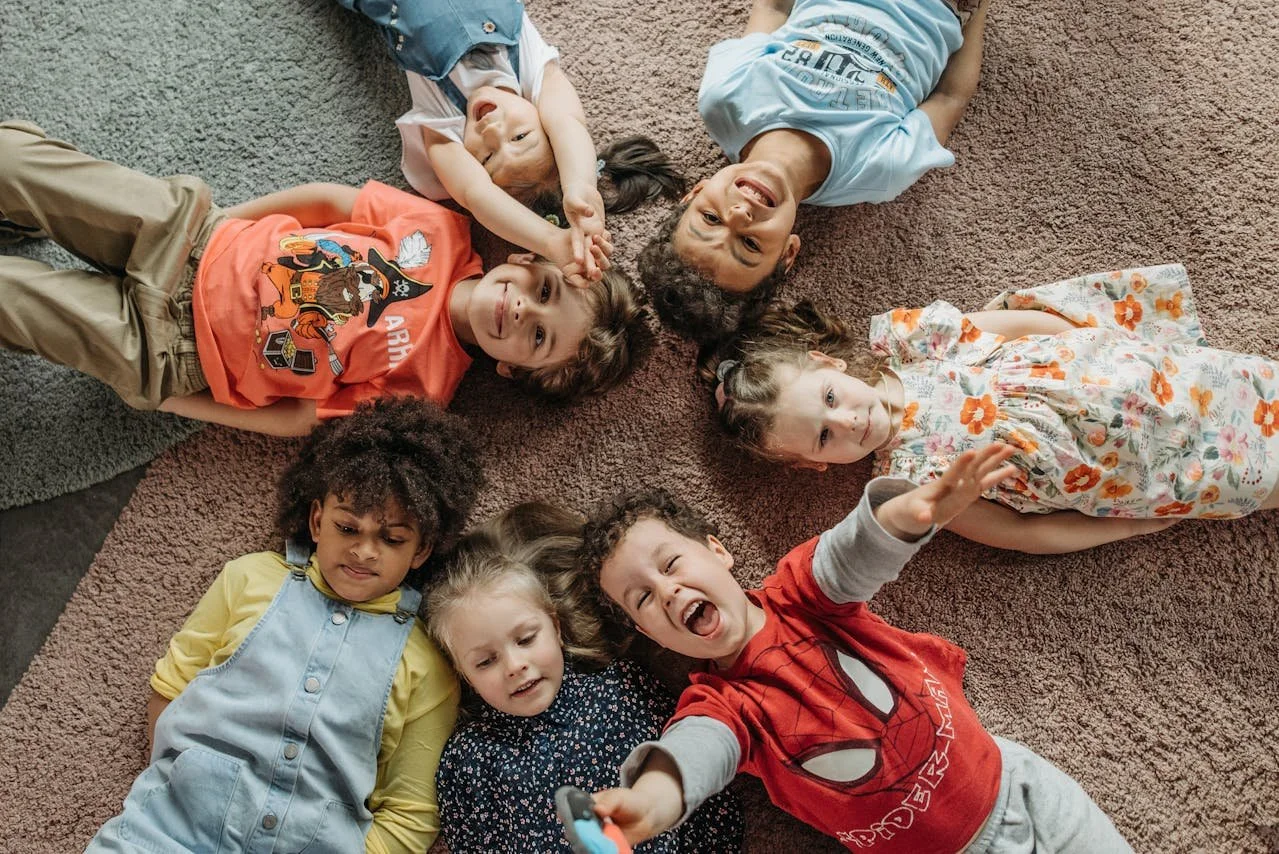
photo by Pavel Danilyuk from pexels.com
by Niraj Naik, founder of SOMA Breath
Children experience emotions intensely, but they often lack the tools to process them. Anxiety, frustration, and overstimulation can quickly escalate into meltdowns. One of the most effective and immediate ways to help is through breathing exercises.
Breathing directly influences the nervous system. When a child is anxious, their breathing becomes shallow and rapid, signaling the body to stay in a heightened state of alert. Slow breathing activates the parasympathetic nervous system, which promotes calmness and emotional balance. This is why structured breathing techniques for child anxiety are increasingly recommended by educators and child development specialists.
Recognizing When Kids Need Support
Before introducing techniques, it is important to identify when a child is overwhelmed. Signs include irritability, withdrawal, difficulty concentrating, or sudden emotional outbursts. These moments are ideal opportunities to introduce breathing exercises to help kids calm down.
In early childhood settings, incorporating emotionally responsive teaching helps caregivers recognize these cues and respond with supportive strategies rather than discipline alone. Teaching children to pause and breathe empowers them to regulate rather than react.
Some parents even choose to integrate breathwork into their daily family routine by completing certified breathwork training programs, allowing them to model calmness and resilience for their kids.
The Science Behind Breathing and Calmness
Research shows that slow, rhythmic breathing reduces cortisol levels and stabilizes heart rate variability, both of which are linked to stress regulation.[1] For children, this translates into fewer emotional spikes and quicker recovery from distress.
Practices rooted in breathwork for stress reduction also improve focus and resilience over time. When used consistently, these techniques support long-term breathwork for physical and emotional wellbeing, helping children build a stronger foundation for mental health.
7 Simple and Effective Breathing Techniques
1. Balloon Breathing
This is one of the simplest breathing exercises for kids. Ask the child to imagine a balloon in their belly. As they inhale, the balloon expands. As they exhale, it deflates.
This technique encourages deep diaphragmatic breathing and is especially effective as one of the foundational breathing techniques for preschoolers.
2. Five-Count Breathing
Inhale slowly for five seconds and exhale for five seconds. This steady rhythm helps regulate the nervous system.
It is widely used in breathing techniques for child anxiety because it provides structure and predictability during stressful moments.
3. Starfish Breathing
Ask the child to trace the outline of their hand using a finger, inhaling as they move up each finger and exhaling as they move down.
This is one of the most engaging breathing techniques for preschoolers, as it combines movement with breath awareness.
4. Bumblebee Breathing
The child inhales through the nose and exhales with a gentle humming sound. The vibration created by humming has a calming effect on the brain.
This is particularly helpful as one of the breathing exercises for anxious kids, as it provides sensory feedback that enhances relaxation.
5. Box Breathing
Inhale for four seconds, hold for four seconds, exhale for four seconds, and hold again for four seconds.
This technique is often used in mindfulness training and works well as one of the more structured breathing exercises for kids to calm down, especially for school-going children.
6. Teddy Bear Breathing
Have the child lie down and place a small toy on their belly. As they breathe, they watch the toy rise and fall.
This method is excellent among breathing techniques for preschoolers, especially at bedtime when children need help winding down.
7. Shake and Breathe
Encourage the child to shake their body for 10 to 15 seconds, then transition into slow breathing.
This approach is effective because it releases pent-up energy first, making the slow breathing exercise more impactful.
Making Breathing a Habit, Not a Reaction
Consistency is key. Children are more likely to use these tools when they are practiced regularly, not just during moments of distress. Integrating breathing techniques for child anxiety into daily routines, such as before school or bedtime, builds familiarity and confidence.
Parents and educators can reinforce this by modeling calm breathing themselves. This not only normalizes the practice but also strengthens emotional connection and trust.
Practical Tips for Parents and Educators
To ensure success with breathing exercises for kids, keep these strategies in mind:
Use simple language and visual cues
Practice during calm moments first
Turn exercises into games or stories
Be patient and consistent
In classroom settings, pairing these methods with emotionally responsive teaching creates an environment where children feel safe to express and regulate their emotions.
Long-Term Benefits of Breath Awareness
Regularly practising breathing exercises for kids to calm down helps extend the benefits beyond immediate relief. Over time, they develop:
Greater emotional resilience
Improved focus and attention
Better sleep patterns
Stronger coping mechanisms
These outcomes are closely linked to broader practices in breathwork for physical and emotional wellbeing, which emphasize the connection between breath, body, and mind.
Helping Kids Build Lifelong Calm and Confidence
Teaching children how to breathe through their emotions is a simple yet powerful investment in their future. These techniques are easy to implement, require no tools, and can be adapted to any age group.
By incorporating breathing techniques for preschoolers early and reinforcing breathing techniques for child anxiety as they grow, parents and educators can equip children with lifelong skills for managing stress and emotions.
The goal is not to eliminate big feelings, but to give children the ability to navigate them with confidence. With consistent practice, breathing exercises for kids become more than a calming tool. They become a foundation for emotional strength, self-awareness, and resilience.
References
Naik GS, Gaur GS, Pal GK. Effect of Modified Slow Breathing Exercise on Perceived Stress and Basal Cardiovascular Parameters. International Journal of Yoga. 2018 Jan-Apr;11(1):53-58. doi: 10.4103/ijoy.IJOY_41_16. PMID: 29343931; PMCID: PMC5769199.

About the Author
Niraj Naik is the founder of SOMA Breath, a leading breathwork school currently being studied by Cambridge University. His passion lies in helping individuals unlock deeper levels of well-being through mindful breathing techniques.
Related Posts
There are many more resources here at MindfulTeachers.org on breathwork and mindfulness for children, including the following posts: