

How Music Education Leads to Mindful and Motivated Students
published August 24, 2026
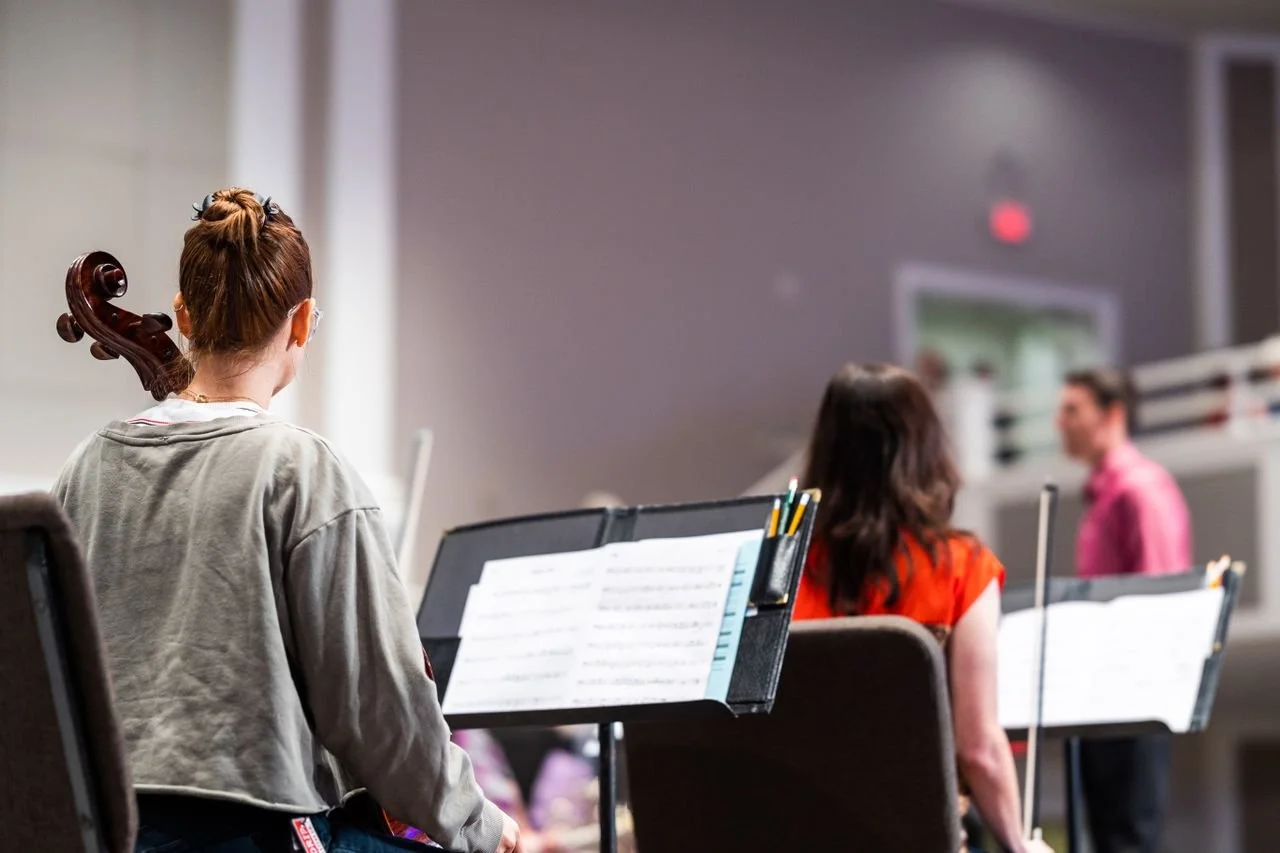
photo by Caleb Oquendo from pexels.com
by Tessa Dodson, Senior Writer of Classrooms.com
Imagine a classroom with a quiet, focused energy instead of one that’s nervous or jittery. Students settle into a rhythm, notice their breathing and give their full attention to the content at hand instead of rushing ahead or zoning out. That calm, attentive state doesn’t happen by accident — it’s a skill students build every time they play or listen to music.
Music education is much more than just singing or playing an instrument. The importance of music education lies in its ability to give students a natural way to practice mindfulness and to foster the motivation to keep improving. These skills can help students be more present and confident.
How Music Builds Mindfulness
Music education involves many of the same skills that students practice in mindfulness exercises. It asks them to listen carefully and to remain engaged with what is happening in the moment.
Focused Listening
When you ask students to isolate different instruments or track a melody, they have to attend to a specific sound. If their minds stray, they learn to recognize the distraction and bring their focus back to the music. This is similar to a meditation technique and can help your students slowly build their attention span. This kind of focused listening can also support students’ mental health — staying present with the music helps to de-stress through creative and artistic expression.
Rhythm and Emotional Regulation
Rhythmic activities give students something steady to follow. You can encourage them to keep the beat in their heads and adjust when they fall out of rhythm. This is reinforced via ensemble playing, where each student has to listen to the whole group while playing their own part. The steady beat of the pattern can help children and adults feel calm when they have challenging emotions.
Whole-Brain Engagement
Music is also a learning experience that stimulates numerous parts of the brain. It can engage both sides of the brain simultaneously, which may be why musical activities are so engrossing. When you lead with focused listening or performance, you give them a chance to set aside other concerns and focus on the present moment.
How Music Encourages Inner Motivation
A student who enjoys playing an instrument may practice without seeking any grade or reward. This is called intrinsic motivation — it’s the desire to study because you love learning.
You can promote this drive by offering pupils some control over their studies. Allowing learners to choose songs or music they like might foster a stronger sense of ownership. As students learn a challenging rhythm or refine their voice, they also acquire confidence in themselves. Playing with an ensemble also helps create social bonding, which can make their effort seem more worthwhile.
These experiences may also motivate students to continue learning because they appreciate the process rather than just the outcome. That mindset can have a lasting effect and help learners tackle future challenges with greater persistence.
Benefits Beyond the Classroom
Skills learned in mindful music practice can be applied to learning in other topics. A study discovered that music students found a mindfulness program stimulating and helpful across all their classes.
When you help learners practice bringing their attention back to a rhythm or tune, you are also helping them develop habits they can use for other academic activities. Greater awareness can help them recognize distractions and manage stress when work gets tough. These abilities may help learners do better in school and feel better overall.
Supporting Students Through Music
Music education is important because it can help learners focus more and develop the resilience to work through problems. It also provides them with a compelling incentive to continue investing in their own progress.
As an instructor, you can encourage or build on the mindful practice that already naturally occurs when listening to and performing music. Small shifts, like building a few minutes of focused listening or letting students choose their own repertoire, can turn music class into a steady source of calmness and confidence for your pupils.
About the Author

Tessa Dodson is the Senior Writer of Classrooms.com and is passionate about supporting teachers and offering practical strategies to help educators and their students succeed. She has previously written for Mindful Teachers about The Science Behind Mindfulness in STEM and Simple Ways to Bring Mindfulness Into Arts Education.
Related Posts
There are many more resources here at MindfulTeachers.org on the performing arts and mindfulness in schools, including the following posts: