Music Helps Children’s Physical, Intellectual, Emotional, and Social Development: Q+A with Wendy Forbes
published August 31, 2026
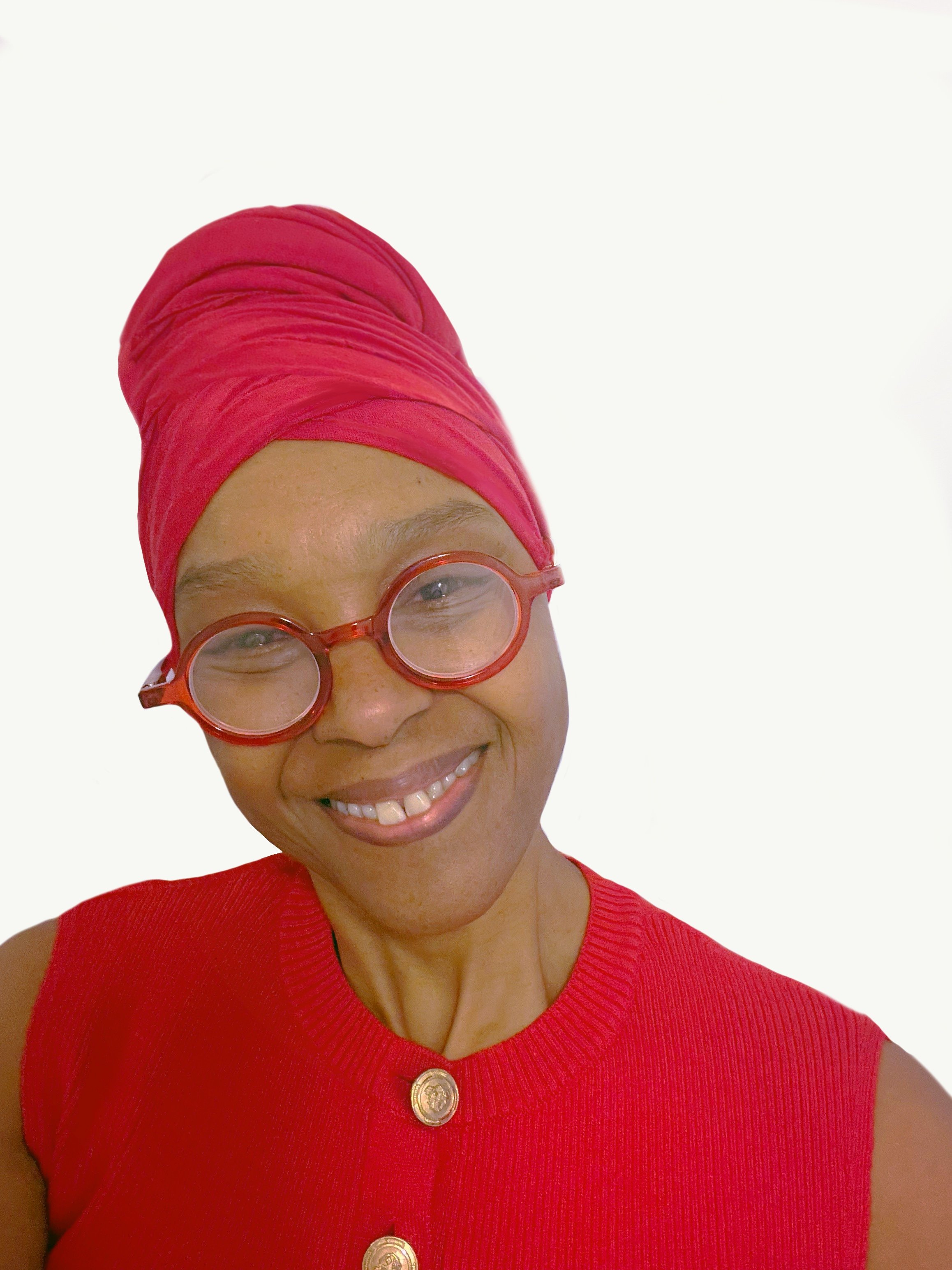
Musician Wendy Forbes has worked with children in a variety of settings. Over the years, she has been a learning mentor for primary school students, taught singing to ages 2-16, and worked at a home for children with profound disabilities. She has also worked as a nanny and a Hospital Play Specialist and volunteered for Victim Support as a children and young people case worker. You can find her songs for children on her Rosbabies YouTube channel.
In this Q and A with Catharine Hannay, founder of MindfulTeachers.org, Wendy discusses how children benefit from listening to and playing music, and how her own childhood experiences influence the music she writes.
Catharine: In your opinion, why is music important in early childhood education?
Wendy: I believe music is food for the soul, spirit, and mind. It is a holistic and medicinal remedy for healing mental imbalances.
Tapping a tambourine, a triangle, or a drum doesn’t require any formal training, but it is still most satisfying and uplifting when children in a group create a united sound. Children do not need any skills to benefit from its healing powers.
Music is a unique medium that I have found to calm children, by recharging, soothing, re-engaging and de-escalating turmoil within them. It helps them open up and release trauma and to safely bare their souls. It creates happiness and encourages friendships. It fills them with sunshine. It is also an amazing educational learning tool that supports P.I.E.S.* development. It is a necessary tool to use in any environment where there are children. (*Physical, Intellectual, Emotional, and Social development)
I would carefully select particular types of songs which l would put on before my group came for their mentoring sessions because l knew the positive impact it would have on them. Music speaks a universal language all children can relate to and connect with; it does not exclude.
When I worked in a home for children with profound and multiple learning and physical disabilities, they too responded exceptionally well to music. Though they could not verbally express their joy, they spoke with their eyes, lips, fingers, toes, and eye brows. It calmed and soothed them when nothing else worked.
In every song there is a combination of various beats, tones, rhythms and instruments and children are able to feel those vibrational waves travel within them. Music speaks a language we can all feel, like the beating of our hearts, that resonates with the song of life within us.
I believe all children should be immersed in a high dose of “musical food” daily. It is most nutritious and should be the first meal of every day.
by Wendy Forbes
Catharine: You have dyslexia and you’re on the autism spectrum, and you’ve told me that you didn’t have a positive experience as a student. Do you reflect on your own childhood while writing your songs?
Wendy: Yes it has absolutely influenced the types of children songs I write and the soothing melodies I prefer. You see, I can vividly recall how I felt as a young child, particularly my early school days, the intense struggles, trying to make sense of things which were beyond my comprehension. All these feelings and memories I have stored in my inspirational musical tool box. It is from here I draw from when I write songs; embedded within them is an emotional connection to my past.
My songs are specifically directed to young children who need to be reminded of their uniqueness and individual inner beauty, their greatness and worth as a kind and loving caring person who has much to give. I want them to know school does not define who they are. I want to reach those children who have their heads bowed and who carry those heavy weighted bags of pain. I want to help remove their burdens by empowering them through my songs and videos.
Catharine: Did you have a self-care practice when you were working as an educator?
Wendy: Yes, I did. During my previous work as an early years educator, I quickly realised that if I was not functioning at my best emotionally, physically, and spiritually, I was unable to give good quality support to the children. My job was to provide emotional support and to fill their empty pots, but I too needed to ensure mine was sufficiently filled. That way, the experience of giving did not deplete me, feel like a struggle, or become tedious. Instead, by taking care of myself, my work felt more uplifting and satisfying, resulting in much better outcomes for us all.
Catharine: What does your self-care practice look like as a musician?
Wendy: Well, as a person on the autistic spectrum, I have always been quite obsessional where my hobbies are concerned. So with regard to ensuring I am looking after myself, putting myself first and not neglecting my needs, l feel I have almost a daily overdose of indulgence, too delicious and captivating to want to stop.
Singing and writing are never a chore for me, and once I start I am 100% tuned in and hyper focused on writing and creating my songs. So much so that I am not aware of anything around me, and once I have shifted into my special zone, everything else is forgotten, literally.
When I return back to planet earth it is usually getting dark and I am “always” shocked at where the time had gone and that is scary. In my zone, I am able to create songs that I feel have a deeper emotional and soulful connections to my experiences, particularly my choice of melodies.
I feel this is my true source of revitalisation that energises me. I always feel refreshed when l have finished my sessions.
Follow Wendy Forbes’ Rosbabies YouTube channel
to see her new music videos.
Related Posts
There are many song playlists and other resources here at MindfulTeachers.org on the performing arts and working with children, including the following posts: