An Educator’s Journey Toward Radical Acceptance
Published August 20, 2023
by Jay Schroder, author of Teach From Your Best Self
To say I learned a lot in 24 years of teaching would be an understatement. The learning curve of a teacher is steep and continuous. This ongoing challenge is one of the reasons I love teaching. But though I like being challenged, the extent of the challenge in education is often so staggering that it can feel crushing. This is driving many teachers out of the profession entirely.
Burnout and demoralization are high on the list of why teachers leave. It’s easy to see why. The job is impossibly big. To do it well often requires more than one human being can possibly do in a work day, so teachers take work home. They sacrifice evenings and weekends. Yet, they still feel like they are falling short.
Although data on teacher turnover can be difficult to come by, a recent Chalkbeat analysis of eight states shows a consistent and alarming trend of teachers leaving education.
The challenge for teachers, and the question that so many of the teachers I work with are asking, is how can we stay in this profession we love without being crushed? The advice to just take better care of yourself isn’t helping.
In my first few years of teaching, I felt the weight of what seemed to be an undeniable truth: I wasn’t enough. So, like many of my colleagues, I tried remedying my teaching deficiencies by working harder.
But no matter how hard I worked on lessons and activities, I would still feel like I was failing. In those early years, I struggled with classroom management. I didn’t know how to engage students who didn’t actually want to be there.
I would try to impress upon my students how important their education was. I would threaten them with failing grades. I would work harder to try to create engaging lessons. None of these tactics worked.
I looked to the veteran teachers for clues on how to manage. One thing I noticed was that they complained a great deal. Lunch conversation in the staff room invariably wound toward complaints about the students, the parents, the administration…
As I joined this judgmental mindset, I noticed my passion for teaching diminish; a wall of cynicism began thickening around my heart.
It seemed my only two options were to keep my heart open and quit teaching, or to wall my heart away behind a wall of judgment and cynicism so I could, bitterly, remain in the classroom. Neither option was good.
That’s when I had an epiphany.
I was standing in front of my third-period class looking into their faces when I recognized that I was holding so hard onto my judgments of how my students should be that I’d disconnected from the students right in front of me. I would never be able to effectively teach these students, the ones sitting in the desks in my classroom, if I didn’t first accept them as they were. In fact, accepting them as they were was a prerequisite to being able to help them grow into better students.
As hard as teaching is, I had been making it harder by fighting what was so. Reality is bigger than I am. My students brought what they brought. To keep from getting crushed by that fact, I needed to accept them as they came.
This single change transformed my experience as a teacher. My students became more receptive and teaching began to be fun.
Though radically accepting my students exactly as they were made teaching doable, I still faced the overwhelming work-load and the sense that no matter how hard I worked, it was never enough. The need always exceeded my ability to meet it. In the machinery of my mind, this translated into I am not enough.
The sense of not being enough is pervasive in the ranks of teachers. The job seems set up to convince us we aren’t enough. That’s when I realized that I needed to hold myself in radical acceptance as well. I had to stop measuring my enoughness against the standard of whether or not I could meet every demand of an impossible job, and instead, compassionately embrace my humanity, with its flaws, its weaknesses, and its moments of brilliance, and simply teach from there.
Radical acceptance of myself became my ticket to freedom, leaving me free to create, free to fail, free to fall short, and most importantly, free to be enough in spite of it all.
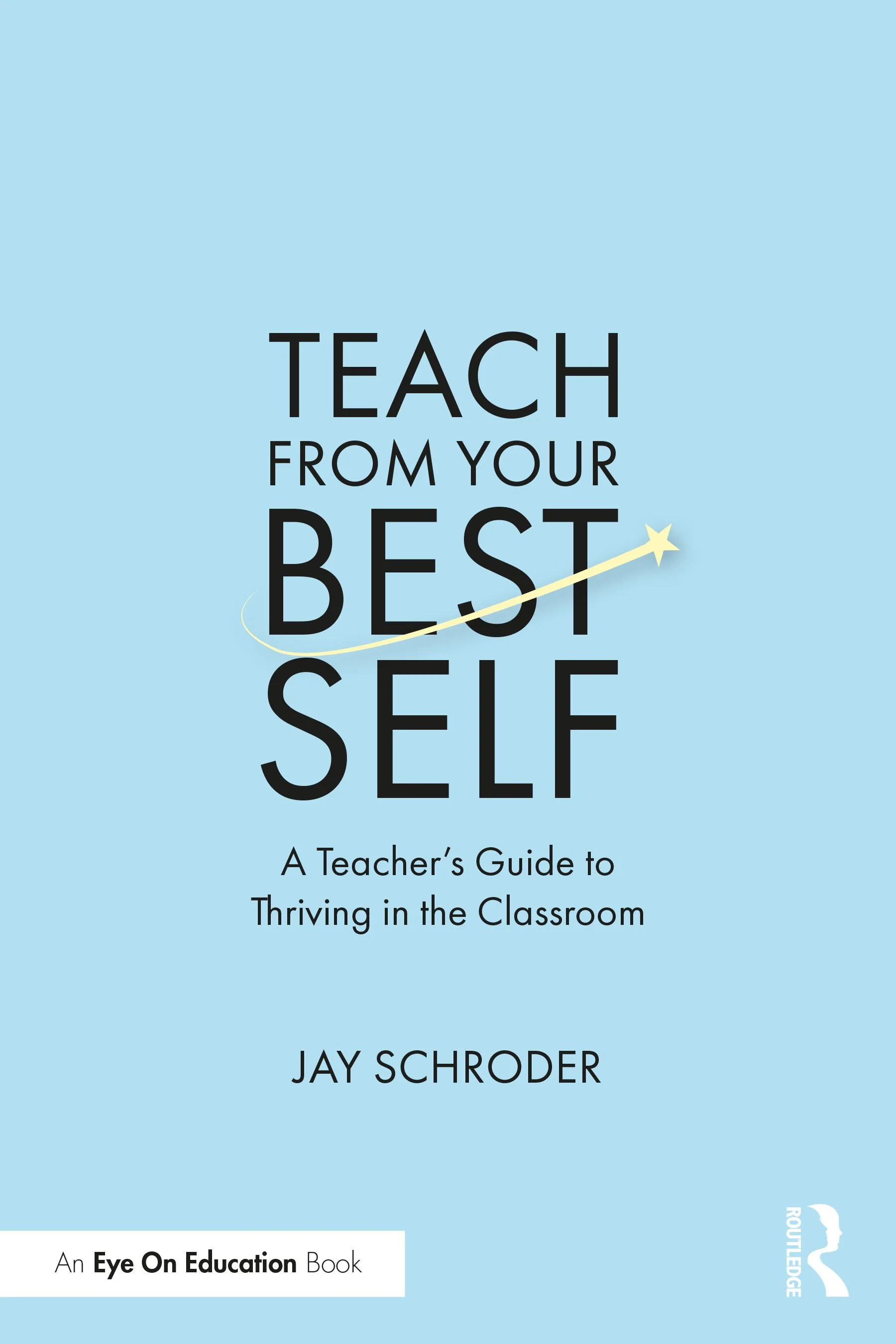
I describe my journey to learning how to thrive in the classroom and offer practical approaches for teachers in my book Teach from Your Best Self: A Teacher’s Guide to Thriving in the Classroom.
Yes, the job of teaching can be crushing. However, radical acceptance offers a way to be in the crush without getting crushed. And this may be one of the best things I’ve learned in 24 years of teaching: it’s possible to stay in touch with my passion, making a difference and dancing in the face of challenge. Fulfilled in the knowledge that while I continue to learn and grow, the best I have today is what I have. It is enough.
About the Author
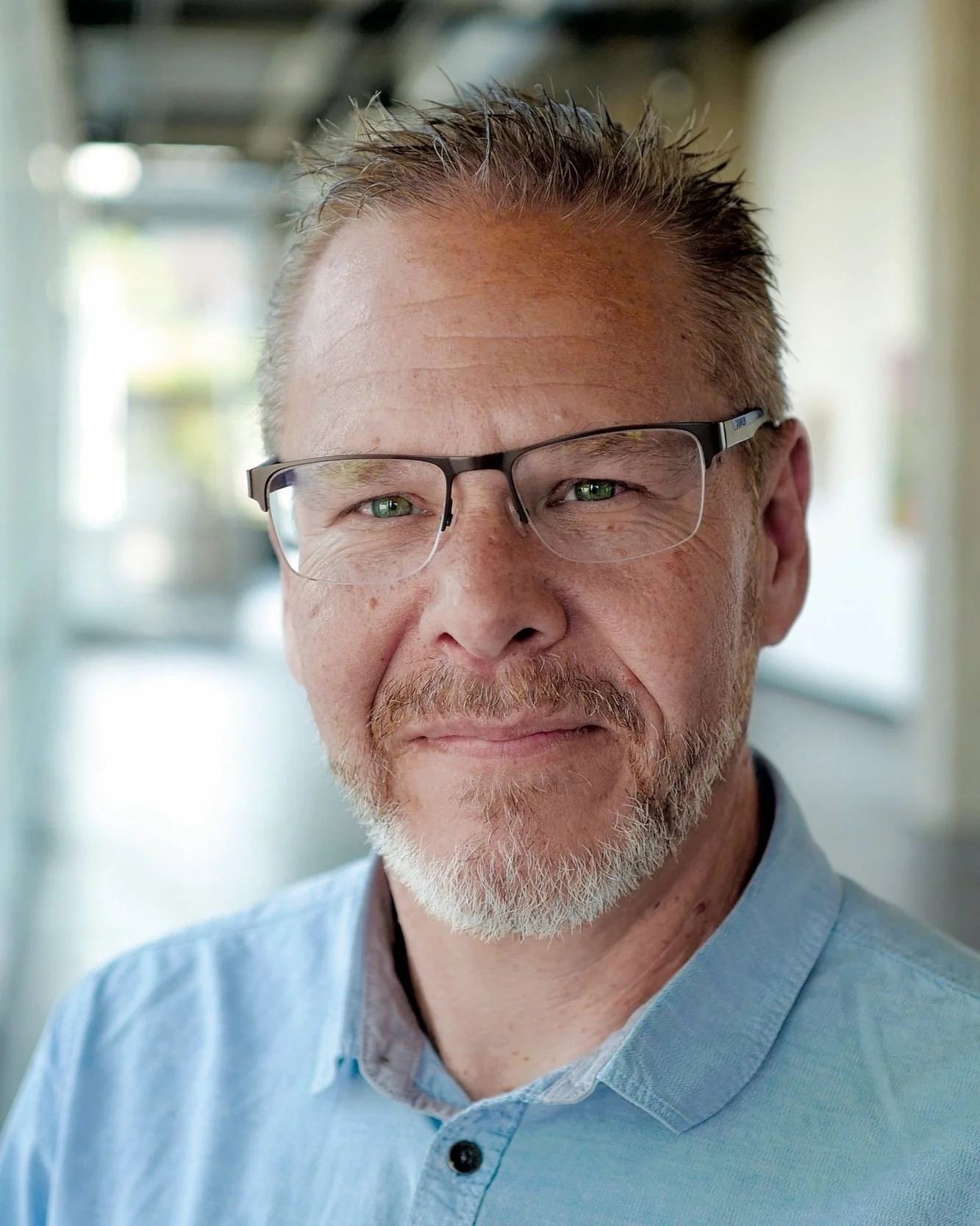
Jay Schroder has taught high school English and social studies for 24 years. He’s the author of Teach from Your Best Self: A Teacher’s Guide to Thriving in the Classroom and received both the OCTE, and NCTE, High School Teacher of Excellence Awards.
He's an affiliate faculty member of Southern Oregon University and a Southern Oregon Regional Educator Network Implementation Coach focused on well-being and resilience. To learn more about Jay and Teach from Your Best Self go to teachfromyourbestself.org.
Related Posts
There are many more resources here at MindfulTeachers.org on resilience, teacher self-care, and avoiding burnout, including the following posts: