

3 Benefits of Mindfulness in Schools
published October 16, 2022
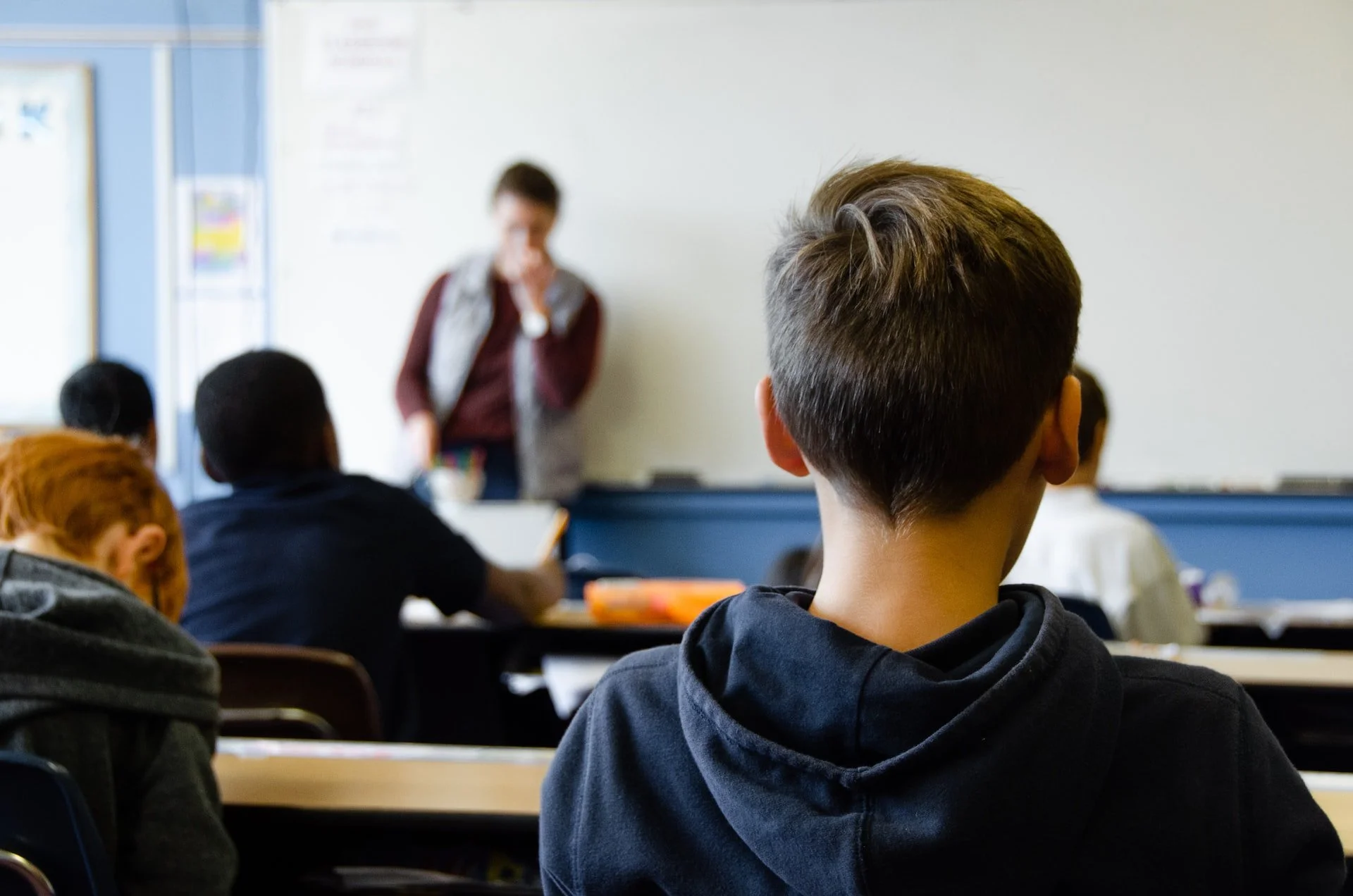
photo by Taylor Flowe on Unsplash
by Mia Barnes
In the past few years, research has been conducted in several different countries about the effectiveness of mindfulness-based programs in schools. Continue reading to find out what the current research says about how mindfulness benefits children and teens.
1. It Improves Empathy and Compassion
Researchers in the United Kingdom studied kids between 5 and 18 years old who completed mindfulness interventions at school. The students ability to understand another person’s perspective increased, and they had greater compassion for themselves and others.
The kids demonstrated more significant prosocial behaviors right after the interventions concluded. However, it’s worth noting that the study followed short-term results in one classroom. Additional research would have to cover a longer time frame and test the kids’ empathy and compassion in more social settings.
2. It Minimizes Peer Pressure
Young people haven’t lived long enough to feel grounded in their identities, so peer pressure is a significant factor in many of their lives. A Chinese study of adolescents between 11 and 18 found that peer pressure was an influential factor in young people developing mobile phone addictions, but mindfulness reduced the power of peer pressure to prevent that type of addiction.
It’s a significant finding, given how kids and teens get anxious about saying no to their friends. It may start with friends pressuring them into wearing certain clothes or using foul language, but eventually, kids may encounter more serious temptations. Teaching teens how to reduce anxiety with mindfulness through classroom lessons would set them up to be less susceptible to negative influences from peers.
An important factor to consider involving the influence of peer pressure is the student’s home-life, which could impact the effectiveness of school mindfulness programs. It was found that 1 in 8 children aged 17 or younger live with a parent suffering from a substance abuse disorder and 4% of U.S. children are separated from a parent due to incarceration. That is one child in every classroom of 25 students. Further studies should consider these other factors, perhaps by monitoring a group of students from families with unique circumstances.
3. It Extends Student Sleep Schedules
Kids struggle to keep up with their grades and attend school if they aren’t getting enough sleep.
If they learn how to be more mindful about their winding down at night with habits like meditation or mindful journaling, they’re more likely to do better in school.
A 2021 U.S. study from the Journal of Clinical Sleep Medicine found that mindfulness curriculums in schools added 74 minutes of sleep nightly for kids between ages 8 and 11. The researchers also included measurements for environmental factors that could increase the kids’ stress levels during the two-year study.
Given that high-quality sleep improves a child’s academic performance, energy levels, and physical health, it’s a significant benefit of adding mindfulness lessons to curriculums. Additional research is required to see if the results stay the same or change based on parents continuing the mindfulness teachings at home through assigned homework for families to do together.
Conclusion: Mindfulness in Schools Helps Kids
Mindfulness in schools can help kids in numerous ways. Recent studies have shown that such programs have the potential to help students be more successful both emotionally and academically.
About the Author

Mia Barnes is a writer specializing in mental health and wellness. She is the Founder and Editor-in-Chief of Body+Mind Magazine and has also written about music and mindfulness and gaining clarity through mindfulness and meditation for The Mindful Word. She is a frequent contributor to Mindful Teachers.
Related Posts
There are many more resources here at MindfulTeachers.org on the benefits of mindfulness and mindfulness in schools, including the following posts: