8 Mental and Physical Health Benefits of Yoga for Kids
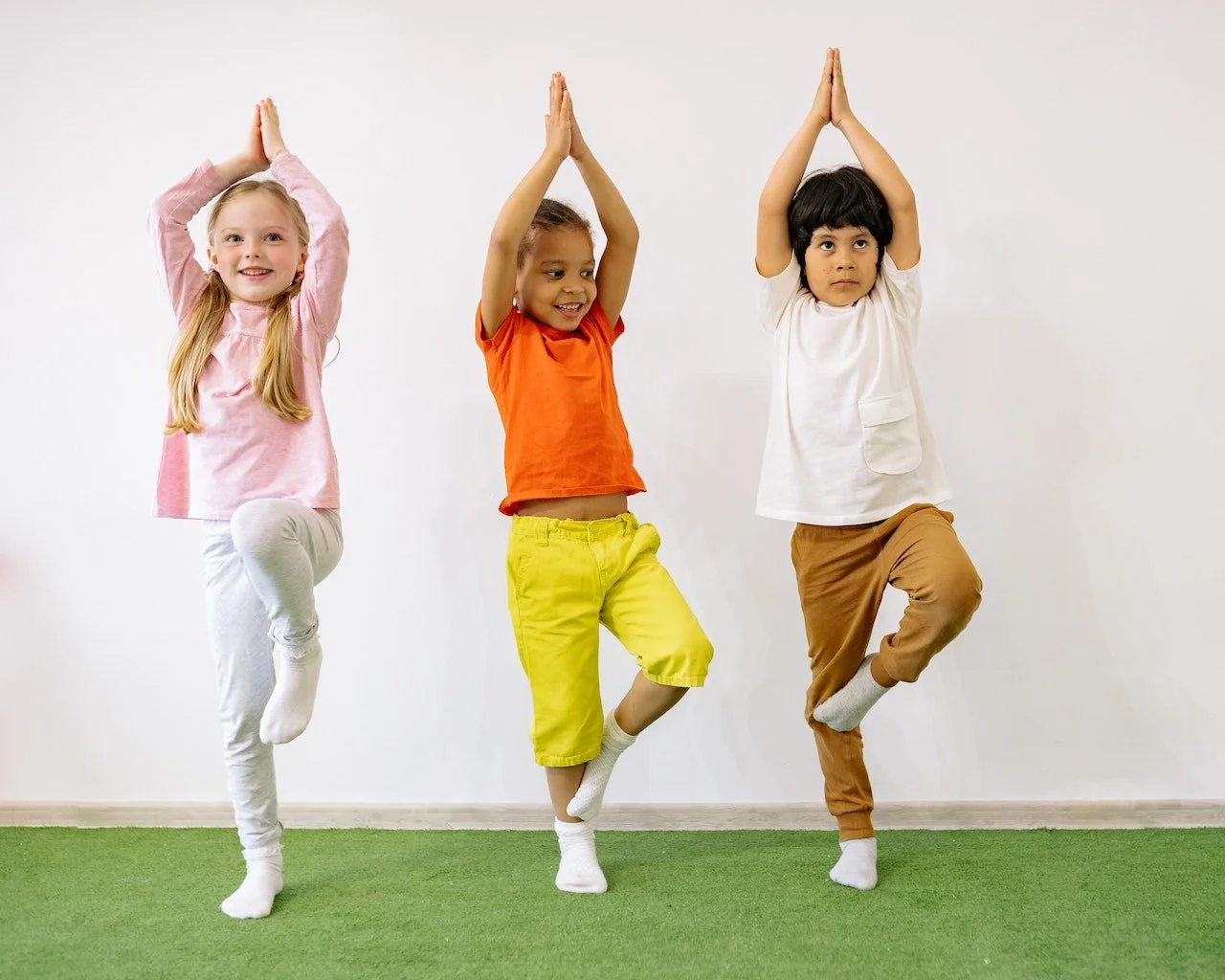
Photo by Yan Krukau from Pexels.com
by Mia Barnes
Kids are always looking for new ways to play, but introducing them to yoga could do more than entertain them. The gentle stretching and breathing exercises provide many mental and physical health benefits. After seeing all the ways yoga is good for kids, you may decide to try it with your family or in your classroom.
Mental Health Benefits of Yoga for Kids
Mental health issues are commonly associated with adulthood and its complicated problems. However, children are almost as likely to experience a mental health disorder — one in four adults as opposed to one in five kids. Yoga can help improve many of their symptoms and enhance their mental well-being.
1. Yoga Fosters Self-Regulation
Between rambunctious elementary students, hormonal middle schoolers and high-strung high schoolers, schools are in an ideal position to help kids develop better mental and physical health. Developing minds overwhelmed with new knowledge, stimuli and hormones sometimes struggle with controlling emotions and thoughts. Even one or two students in a classroom having difficulty processing their feelings or acting on inappropriate impulses affects the whole class.
Yoga improves mindfulness in kids and helps them build awareness of their feelings. This increased ability to label and realize their thoughts helps them deal with them more effectively. Classes that need extra experience with particular emotions can try poses specifically designed to target and express them through movement.
2. Yoga Improves Concentration
Kids may also struggle with general inattentiveness and unproductive behaviors when they’re young. A recent study on yoga in kindergarten marked improvements for kids with mild difficulties in both areas. However, most of the kids had increased concentration, participation and stamina for schoolwork. Activities at home, school and community clubs would be more enjoyable if children were able to concentrate more effectively with routine yoga sessions.
3. Yoga Reduces Levels of Anxiety
Anxiety is a serious and relatively common issue for kids. It can come from various sources, like an intense fear of the dentist or the dark. It can also be general anxiety and stress from frequent life changes, divorce, death in the family or childhood abuse.
Creating a calm, positive environment and practicing mindfulness by exploring each child’s emotions can help. A recent study in the Journal of Pediatric Health Care found that third- and fourth-graders who practiced yoga for 10 minutes each day demonstrated improvements in their general anxiety test scores. Yoga’s deep breathing activates the parasympathetic nervous system, which tells the body to calm down.
4. Yoga Boosts Self-Confidence
Yoga is relatively easy and open to people of all ages, sizes and abilities. It also leaves room to progress and improve with practice. Mastering moves that once gave them difficulty can boost a child’s self-confidence. Even from the outset, seeing what their bodies are capable of can be inspirational.
Physical Health Benefits of Yoga for Kids
In addition to the many mental benefits of yoga for kids, regular practice can also improve several aspects of their physical health. The poses and deep breathing do their bodies a world of good.
5. Yoga Increases Immunity
The fight-or-flight response is the body’s physical reaction to external stressors. In normal circumstances, it keeps people safe from harm. However, constant stress or anxiety keeps them in those patterns and their bodies develop chronic inflammation, suppressing the natural ability to fight illness.
Immunology researchers know that kids need seven to eight years to fully develop their immune system. Even then, they may need more time to come into contact with common illnesses and build a robust immune response before they get sick less often.
A daily yoga practice could be essential in keeping kids healthy while they’re young. Studies show yoga can lower your body’s pro-inflammatory markers and increase anti-inflammatory ones. Continued practice attacks their chronic inflammation and boosts immune function.
6. Yoga Improves Fine and Gross Motor Control
Yoga moves kids’ bodies in ways other activities don’t. They’ll learn new ways of twisting, balancing and supporting themselves, testing every muscle and body part. Core and limb movements will improve their gross motor control, while supportive poses requiring balancing on hands or feet will enhance strength and fine motor control.
7. Yoga Builds Stronger Muscles
Giving every child daily time in the weight room wouldn’t be feasible, and having young children pump iron isn’t a great idea. However, kids of any age can build muscle with regular yoga practice. Each pose tests a range of muscle groups using body weight rather than dumbbells.
8. Yoga Improves Flexibility
Muscles and joints become more rigid as people grow older. Starting a stretching routine from a young age can keep kids limber as they get older and prevent some of the aches and pains that come from years of bad posture and repetitive habits. Yoga provides a perfect opportunity for children to stay flexible. They’ll use every joint and muscle when working through various poses.
Use Yoga to Improve Outcomes for Kids
Yoga has many mental and physical health benefits for kids in their early years. Consider how daily practice could help your children or students. Whether they need to gain better muscle control, reduce their anxiety or improve their immune system, simple yoga routines could help them achieve their physical and mental health goals.
About the Author

Mia Barnes is a writer specializing in mental health and wellness. She is the Founder and Editor-in-Chief of Body+Mind Magazine and has also written about gaining clarity through mindfulness and meditation for The Mindful Word. She is a frequent contributor to Mindful Teachers.
Related Posts
There are many more resources on teaching yoga and the benefits of mindfulness here at MindfulTeachers.org, including the following posts: