5 Different Types of Mindful Movement
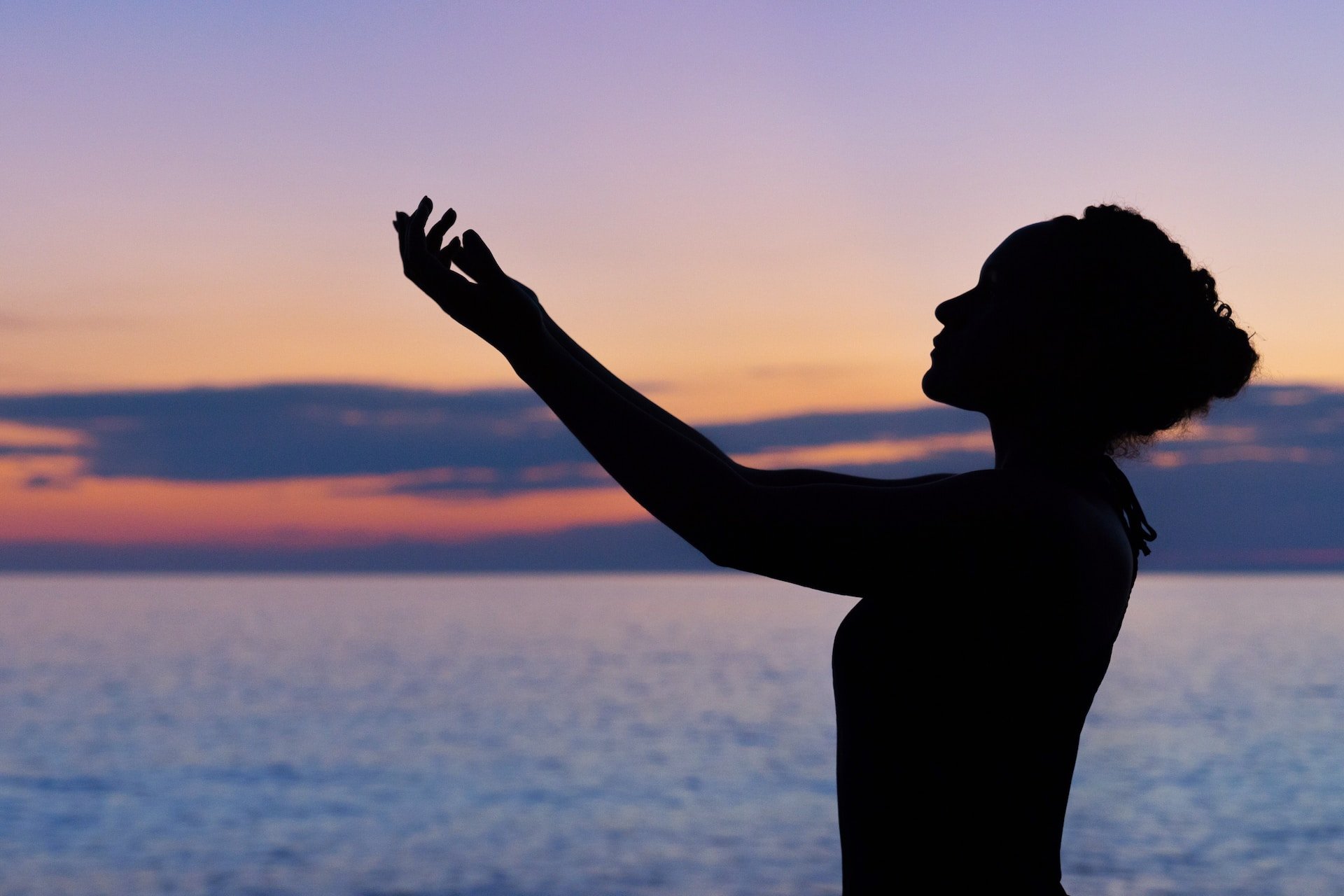
photo by William Farlow from Unsplash
by Mia Barnes
There’s a health crisis in the U.S. and it encompasses both physical and mental ailments. In 2020, nearly 500,000 people struggled with a mental health disorder such as anxiety or depression. Rates of anxiety and depression soared to new heights thanks to the pandemic’s unique stressors, and millions remain without meaningful access to care.
Teachers had it tough. One day they were in the classroom — the next, they had to modify lesson plans for online learning and determine which students might fall behind, not because of a lack of intelligence but necessary bandwidth. They also had no choice over when to reenter classrooms, terrifying those with compromised immune systems or family members with such disorders. All when there was no time for therapy, even if they could afford it.
Fortunately, people don’t need a prescription to reap the physical and mental health benefits of mindful movement. Dr. Bessel Van Der Kolk has been instrumental in proving how practices like yoga can help patients overcome severe mental trauma, as seen in the case of women with treatment-resistant PTSD. These practices activate your parasympathetic nervous system to increase emotional awareness and your capacity to cope with stress.
While such practices often work best under the care of a skilled therapist, mindful movement offers people a meaningful “DIY” fix for mental health problems. These techniques can help connect you with your inner self and inner wisdom.
Types of Mindful Movement
Incorporating mindful movement into your life has significant benefits, even if you don’t have existing health issues. Think of it as preventive medicine — an apple a day for your body and mind.
Are you ready to get started? Here are five types of mindful movement you can try.
1. Mindful Walking
The simplest form of mindful movement is the mindful walk. You can engage in this practice anytime and anywhere.
One technique to incorporate as you walk is mindfulness of the senses. What can you see, hear, touch, smell and taste? Tune into how your legs feel as they rise and fall, returning over and over to mother earth. Practice gratitude for your feet and gradually extend it to your entire body and self. Think of how you walk into a sacred space with reverence and love — treat your whole life as a sanctuary.
Best of all, lacing up your shoes and walking doesn't cost a dime. It could be why it’s the most popular exercise form, with six out of 10 people participating weekly.
2. Qigong
Qi is a term used to describe ‘life force,’ or the energy in our minds and bodies. Qigong is an ancient mindful movement focusing on specific physical or mental concerns.
For example, you may repeat a gentle flowing motion to open your lungs or calm your central nervous system. There’s considerable emphasis on uniting breath and body and encouraging life energy, including lifting mental conditions that drain your vitality.
3. Tai Chi
Many people confuse tai chi and qigong. While qigong emphasizes wellness, tai chi is a martial art that uses a series of flowing, dance-like movements. Many of them are similar to those used in qigong, but they’re strung together in a particular sequence rather than a free flow of movement.
Like qigong, there’s considerable emphasis on uniting the breath with your body movements. You must also pay more attention to form, while qigong provides more room for interpretation.
Qigong and tai chi are among the most popular exercise forms for older adults, with 70% of Qigong participants also taking tai chi. It’s gentle and non-impact, making it perfect for creaky joints.
4. Interpretive Dance
Have you ever put on your favorite music and moved your body like no one was watching? Congratulations — you participated in interpretive dance.
This movement form is perhaps the most liberating of the five, as you flow however the spirit moves you. This practice can be as athletic or soothing as you like — it all depends on your internal rhythms.
5. Yoga
Yoga is one of the oldest forms of mindful movement. There’s a style to suit everybody, from gentle, meditative yin to athletic practices like Ashtanga and power yoga.
If you’re feeling lonely, finding the right studio can help you form a substitute family full of mutual health support. There’s also a world of yoga programming available online, including free programs on YouTube for those who prefer to practice in their living rooms.
There are various yoga forms to suit everybody. Here are a few of the hottest ones to try — sometimes literally:
Hatha yoga: This form encompasses flowing vinyasa movements and static holds.
Power yoga: This style kicks things up a notch, taking your fitness to the next level with cardio-intensive flows and longer holds.
Restorative yoga: This type was designed to heal those recovering from accidents or illness. It’s gentle and features slow movements and longer holds, sometimes up to 20 minutes.
Mindful Movement for Healthy Teachers
While mindful movement doesn’t cure the U.S. health crisis, it provides DIY self-care that anyone can access to manage their physical and mental conditions. Try one of these types of mindful movement listed above and give it time. True healing takes patience, but you can use these practices to ease your symptoms and find greater inner peace.
About the Author

Mia Barnes is a writer specializing in mental health and wellness. She is the Founder and Editor-in-Chief of Body+Mind Magazine and has also written about gaining clarity through mindfulness and meditation for The Mindful Word. She is a frequent contributor to Mindful Teachers.
Related Posts
There are many more body-based practices and self-care resources here at MindfulTeachers.org, including the following posts: