

The Benefits of Mindfulness for Teens' Mental Health
published March 27, 2023
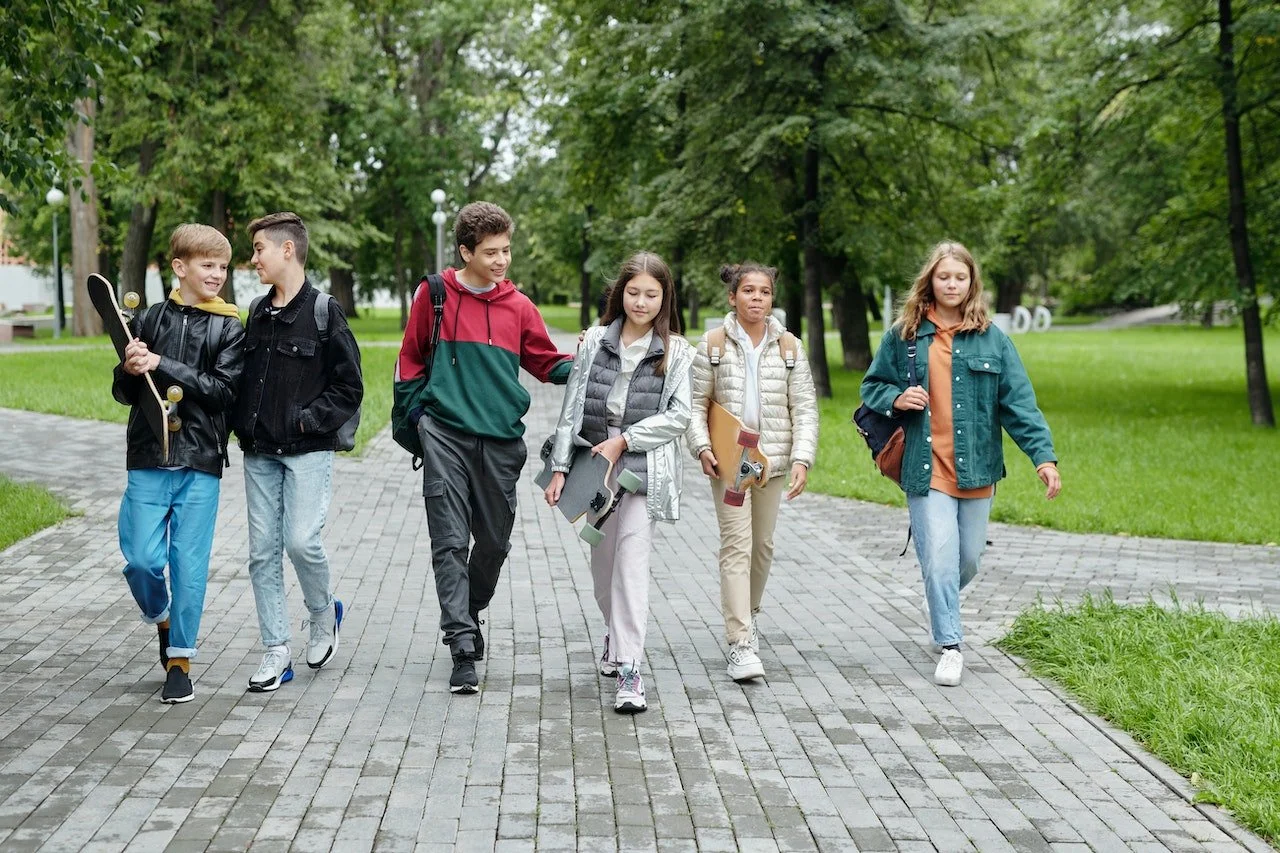
photo by Max Fischer at Pexels.com
by Mia Barnes
The teenage years are challenging, fueled by hormonal changes and the increasing demands to make adult decisions, like choosing a college and major. It’s common for those in this age group to need extra mental health support. Mindfulness is a practice with multiple benefits that could assist many in navigating this rocky developmental period.
Educators know how mental health concerns can impact academic progress. Some schools have gone as far as to include mindfulness as an alternative to harsher punishments like detention. Such practices can transform school into a necessary oasis of calm amid the chaos many students face outside the classroom. They reduce discipline problems and decrease the need for suspensions that interrupt the educational process.
Here are the benefits of mindfulness for teens, along with some different types of exercises they can use to manage difficult emotions.
Mindfulness and Teen Mental Health
Today’s teens face stressors earlier generations did not. Soaring rents mean more impoverished families, with some students coping with homelessness. Food insecurity remains an issue, and rising college costs coupled with shrinking paychecks when adjusted for inflation mean many face an even more uncertain future.
Even today’s environment impacts teen mental health. For example, urban living increases depression rates when city planners fail to include adequate green space for kids to play in their natural habitat. Emphasis on standardized testing often cuts into physical education and art, ironically lowering scores when adolescents lack the physical activity and creativity they need to thrive.
Teens can reflect more deeply on their experiences than younger children. Mindfulness activities can provide a valuable bridge, helping teens absorb new experiences into their existing worldview and creating a more positive outlook.
Such exercises empower teens to take control of their lives by managing their emotions and reactions to events. They can consciously choose how to respond, increasing their sense of agency — the idea that their actions can impact their reality.
Agency matters for staving off despair more than ever, as today’s teens face an uncertain future. Consider the unique stressors they encounter that previous generations could only imagine:
Social media: While social media can be harmless or even beneficial for some teens, for others it is a source of stressors and can have a negative impact on their mental health and self image.
School shootings: According to Statista, in 2021 there were over 200 school shootings in the United States. It is a scary and stressful time for students.
COVID-19 pandemic: Today’s teens have all lived through and suffered the consequences of a global pandemic that not only affected their education, but their personal and social lives and their families as well.
Soaring college costs and rising degree requirements: This can be a terrifying prospect for teens who see their parents buried in student loan debt well into middle age and beyond.
Stagnant wages: Despite soaring inflation, the average salary has barely budged, forcing more people to work harder for less money.
Climate change: There’s a realistic chance that the world will not meet carbon emission goals, meaning today’s teens must cope with even stronger storms and wildfires than the ones we’re currently seeing.
It’s natural to feel powerless and crushed under the weight of such realities. Mindfulness is perhaps the best tool for helping teens make meaningful decisions about living their best lives despite stressful circumstances.
How Parents Can Support Mindfulness in Teens
Perhaps the best thing parents can do to support mindfulness and emotional regulation in their teens is to model such behavior. Parents who are mindful in their daily actions have a positive effect on the psychological development of their children. For instance teenagers who hear you say, “I’m extremely angry or frustrated right now, so I’m going to practice yoga until I calm myself down,” are more likely to adopt similarly healthy self-soothing practices.
Parents don’t necessarily have to adopt such practices, but can support mindfulness in teens by respecting their actions. For example, many teens naturally take to journaling, a healthy activity. However, they won’t do so if they fear their parents will snoop through their writing, revealing their innermost thoughts. Get your teen a locking model and respect their right to privacy.
How Schools Can Promote Mindfulness for Teen Mental Health
Schools can do a great deal to promote mindfulness in teens. Some already have by recognizing that most behavior problems have more to do with unresolved trauma than a genuine desire to create chaos. Institutions that have replaced traditional detention with yoga classes have seen marked improvements in issues that disrupt the classroom and prevent learning.
Should schools teach mindfulness as part of the curriculum? They must tread carefully, as they can face community backlash from parents who claim such practices violate their beliefs.
However, many schools use secular mindfulness techniques in the curriculum. For example:
Journals: Many teachers begin class with a journal prompt that helps students integrate new knowledge with old. They can also include questions that encourage self-reflection. For example, “what is one of the biggest distractions you face in learning?”
Nature walks: Science teachers can use field trip time to tour botanical gardens, where students can mindfully stroll while completing assignments about the various fauna.
Silent reflection: While schools must tread carefully when teaching meditation, it’s traditional for many to have a moment of silence each day. Individual teachers can use this technique, setting a timer for one to two minutes during which students contemplate a problem.
Conclusion
Today’s youth face a mental health crisis, and mindfulness can help many of them ease symptoms of depression and anxiety.
About the Author

Mia Barnes is a writer specializing in mental health and wellness. She is the Founder and Editor-in-Chief of Body+Mind Magazine and has also written about gaining clarity through mindfulness and meditation for The Mindful Word. She is a frequent contributor to Mindful Teachers.
Related Posts
There are many more resources here at MindfulTeachers.org on the benefits of mindfulness and on best practices in teaching mindfulness to teens, including the following posts: