

Mindful Practices for Creating and Appreciating Art
published October 5, 2026
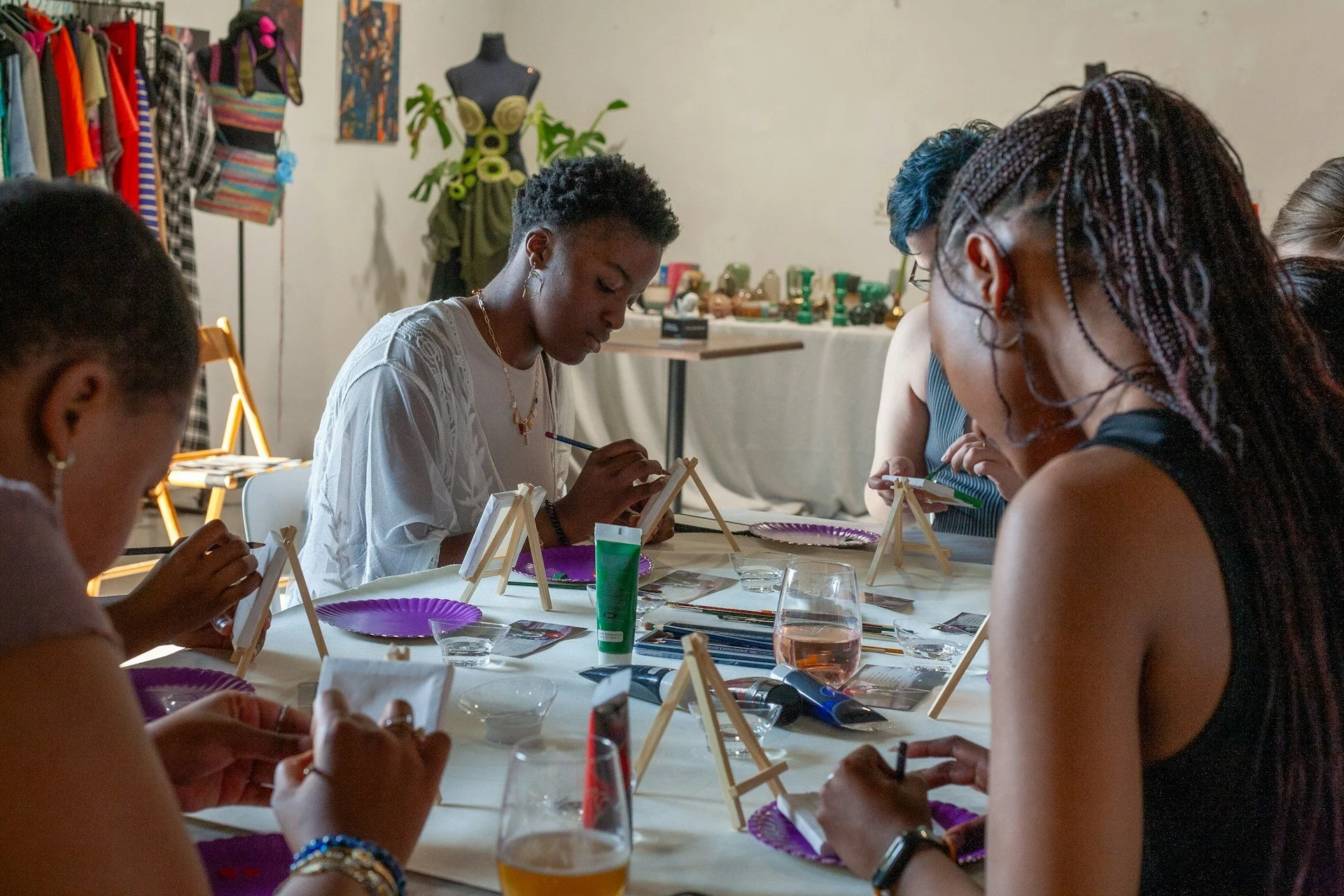
photo by Anya Richter from unsplash.com
by Tessa Dodson, Senior Writer of Classrooms.com
Sometimes, students bring stress or distraction into a creative space. Mindfulness offers simple ways to help them slow down and be more present when creating or viewing artwork. From mindfully coloring to quietly observing, these practices can fit into an existing art lesson without requiring a separate mindfulness session.
How Mindful Art Benefits Your Students
Art already asks students to observe and concentrate on a task. Adding a few intentionally mindful moments can help them become more aware of those experiences as they happen.
Research suggests that brief arts-integrated mindfulness practices can support a positive emotional atmosphere that promotes long-term well-being.
Enhancing Emotional Regulation and Mood Stability
Creative activities give students time to work with color, texture and movement. Focusing on these sensory details can give them a steady point of attention when emotions feel distracting or difficult to manage.
You can also incorporate mindfulness into creative teaching to bring reflection and emotional awareness into existing arts lessons. Sometimes, having a few quiet minutes to draw or work with a material can give students the space they need to settle and process their emotions.
Relieving Academic Stress and Increasing Concentration
A structured art task can offer a welcome pause after demanding academic work. Repetitive actions such as coloring, sketching patterns or shaping clay give students something specific to focus on.
Research suggests that structured art activities, like mandala coloring, can relieve stress and support focused attention. These activities also work well when you have only a few minutes and/or limited experience with formal mindfulness practices.
Quick Mindful Art Exercises to Try
You can fit short exercises into an existing lesson rather than creating a separate mindfulness session. A two- to five-minute activity might work as a warmup, transition or closing reflection.
Structured Mandala Coloring for Stress Relief
Try offering students a simple mandala design and a selection of coloring materials. You can invite them to choose colors freely and focus on the physical process rather than on finishing within a set time.
You might say:
“Try focusing solely on how the colors blend as you fill the space.”
“If your mind wanders, gently bring your attention back to the movement of your pencil.”
The exercise can remain quiet and informal. Students can work at their own pace while practicing sustained attention.
Tactile Stations for Sensory Exploration
Tactile stations can provide another way to engage with art. You can provide sensory bins filled with clay, washable paint, fabric, leaves, smooth stones or other natural materials and let students explore through touch.
These sensory experiences can encourage self-expression and imagination while giving students concrete sensations to notice. Offering a choice of materials can also help them find a comfortable way to participate.
You can say:
“Focus on the texture of the material in your hands.”
“How heavy is the material? How do you want to interact with it?”
Mindful Observation and Reflection
Mindfulness can shape how students look at existing artwork. You can choose a painting or sculpture and give them a few quiet minutes to study it before inviting comments.
You might say:
“Take a deep breath and see if you can find one tiny detail in this artwork that you hadn’t noticed before.”
“Notice which part of the artwork draws your attention first. Why do you think that is?”
Fostering a Supportive Creative Environment
Mindful art activities work well when students feel comfortable experimenting. You might begin with a short breathing exercise or a quiet observation period before creative work begins. Consider setting the tone early and gradually making these pauses part of your regular routines.
To teach students mindfulness, try meeting them mindfully, as well. Consider your approach to each school day, and whether you are being open, grateful and present in addressing your students’ needs.
The Stop, Breathe and Notice — or SBN — technique is one method to practice this kind of mindfulness, and it’s easy to teach students. It invites you to pause during the day, take a few intentional breaths, and notice your thoughts and feelings before responding.
The physical space matters, too. A quieter work area, flexible seating, well-ventilated rooms and a choice of sensory kits can create an adaptive environment and make participation easier for students with different preferences.
Cultivating a Mindful Art Practice
Mindfulness can become a natural part of how students create, observe and respond to art. Short periods of focused attention can help them notice details and develop a thoughtful relationship with the creative process.
You can start with one activity this week, such as mindful coloring or tactile exploration, then pay attention to what works well. From there, you can adapt these practices to your setting and make mindful art a regular part of creative learning.

Tessa Dodson is the Senior Writer of Classrooms.com and is passionate about supporting teachers and offering practical strategies to help educators and their students succeed. She has previously written for Mindful Teachers about Simple Ways to Bring Mindfulness Into Arts Education and How Music Education Leads to Mindful and Motivated Students.
Related Posts
There are many more resources here at MindfulTeachers.org on mindfulness in schools and the visual and performing arts, including the following posts: