published April 24, 2026
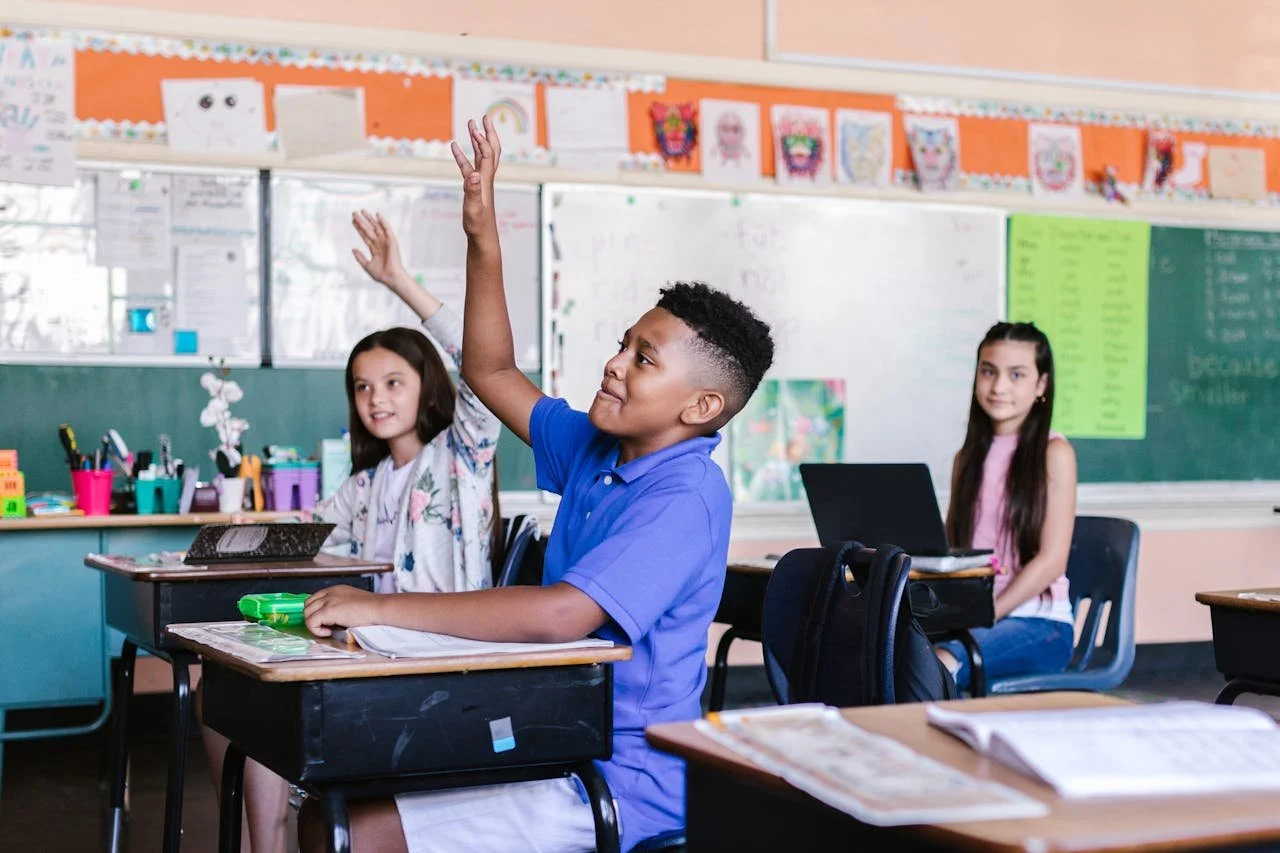
photo by RDNE Stock Project from pexels.com
by Tessa Dodson, Senior Writer of Classrooms.com
Most teachers come to their class with a carefully built lesson plan. While having a strong itinerary is an integral part of an educator’s role, so is understanding your students' unique needs.
Teachers occasionally get so caught up in the syllabus that they don’t realize they're carrying invisible assumptions about their students, inadvertently overlooking aspects of their unique identities. By asking the right questions, you can create an inclusive and enriching learning environment for everyone. (Of course, you should think carefully about which of these questions are appropriate to ask the whole class, and which are more appropriate to discuss privately.)
Cultural Backgrounds and Traditions
It’s easy to assume that students come from similar cultural backgrounds and share matching viewpoints. Yet classroom environments have become increasingly diverse, so having deep cultural awareness helps foster empathy and prevent inadvertent exclusion.
Diverse perspectives are powerful opportunities for strengthening communities when supported by the right approach.
Examples of culturally inclusive questions include:
What traditions and celebrations are important to you or your family?
Are there any practices that I should be aware of that might affect your participation or comfort level?
Do you have any stories or histories of your background(s) you would be willing to share?
These questions help you understand your students more while simultaneously helping them validate their heritage.
Prior Experiences and Knowledge
Educators sometimes assume all their students have similar experiences and educational backgrounds. However, students may possess varied expertise from hobbies, travel, and/or previous schooling. The funds of knowledge framework recognizes that these lived experiences are valuable learning assets. When you create opportunities for students to share their wisdom and experiences, engagement increases.
Examples of questions that leverage students’ experiences include:
What are you already an expert in outside of this subject?
Which experiences have shaped how you see the world?
Have you learned about this topic (or something similar) before in a different way?
This also allows peers to learn from one another’s unique journeys and specialized skills, broadening their worldview and fostering appreciation for one another.
Known Language(s) and Communication
Teachers sometimes lose sight of the fact that some students do not come from English-only households, and many ofthem are navigating multiple languages daily. In fact, research shows that 22% of the United States’ population speaks a non-English language at home. For students who don’t speak English as a first language, having a learning space that is accessible and encouraging is key to harnessing their full academic potential.
Examples of questions that help teachers understand students’ unique communication needs include:
What language(s) do you speak at home?
Do you prefer communicating certain ideas or subjects in a specific language?
How can I support your multilingual skills here?
Language diversity also often leads to deeper critical thinking during classroom discussions.
Learning Preferences and Needs
Students each have different ways of absorbing and processing information. You can improve your impact by evaluating unique classroom learning styles and adjusting your delivery to meet the needs of your cohort.
Examples of questions that elicit the learning preferences and needs of students include:
How do you learn best — through seeing, hearing, doing, or discussing?
What helps you feel most successful in class?
Is there anything about how you best learn that would help me to teach you better?
These questions allow you to formulate inclusive teaching practices that ensure all your students have an accessible path to success.
Small Questions With a Big Impact
Thoughtful questions are a powerful asset for any educator, having the potential to benefit every student by creating a culture of curiosity and respect. When teachers take the time to ask, listen and adapt, everyone’s educational experience improves.
About the Author

Tessa Dodson is the Senior Writer of Classrooms.com and is passionate about supporting teachers so they can foster inclusive classroom environments. She specializes in covering classroom resources, educational trends, teacher wellness, and practical strategies to help educators and their students succeed.
Related Posts
There are many more resources on teaching diverse groups of students here at MindfulTeachers.org, including the following posts: