How Mindfulness, Meditation, and Yoga Can Help First Responders
published December 9, 2022
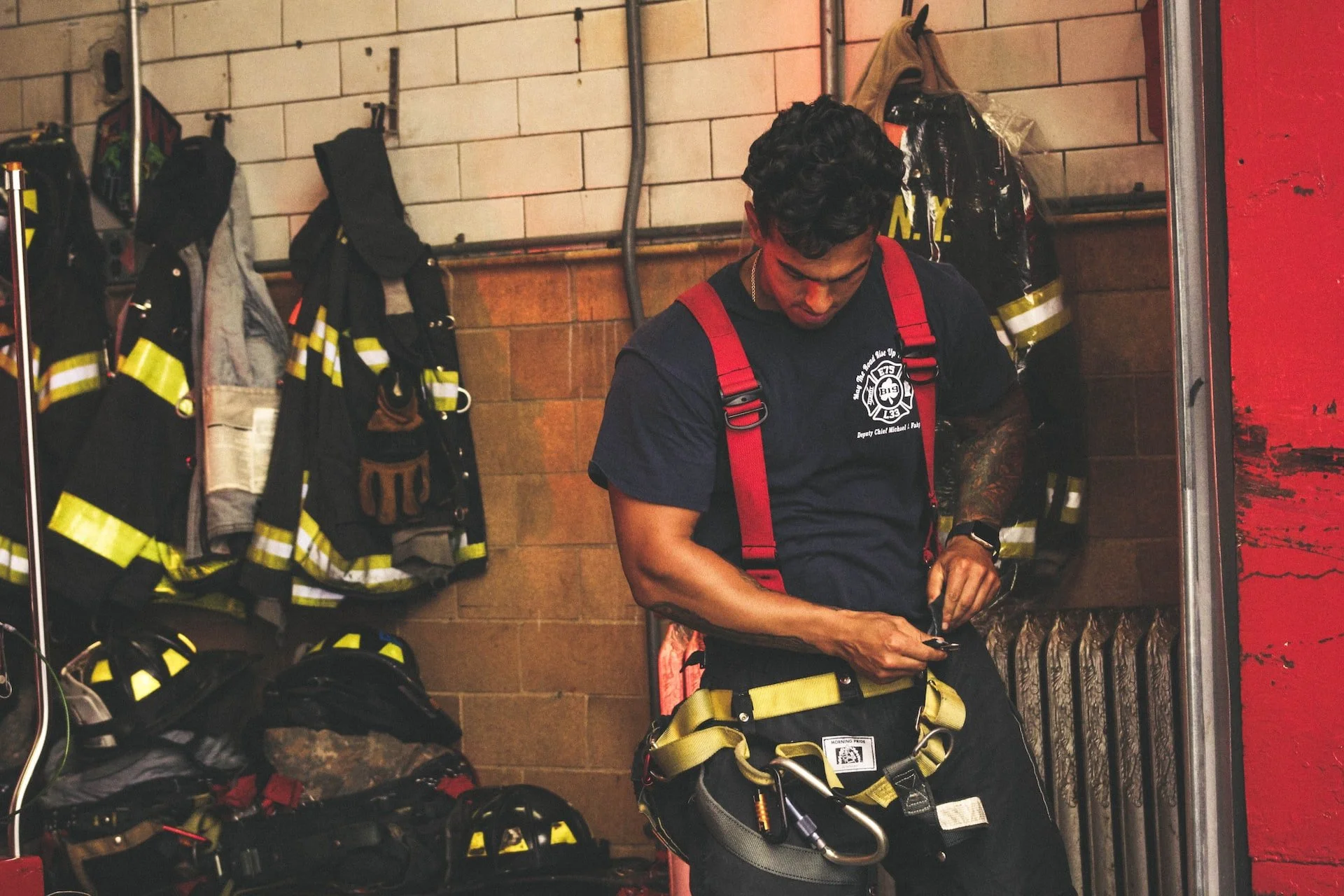
Photo by Aidan Bartos on Unsplash
by Mia Barnes
First responders are on the front lines when disaster strikes, whether a medical crisis, environmental disaster, or act of violence. They dedicate their careers to serving and protecting society and often suffer physical and emotional consequences as a result of their work.
Mindfulness and meditation practices can promote healing and increase resilience to the many stressors that come with the territory of being a first responder.
The Physical and Emotional Toll on First Responders
First responders are individuals who protect others from harm in emergencies. Firefighters, EMTs, law enforcement and medical personnel are vital to society no matter their rank or title, as they can restore public order, administer CPR and first aid and ultimately save lives.
Exposure to catastrophic events and tragedy is typical for first responders since they are on the ground to help and protect at all costs. They face life-threatening situations and witness the deaths of civilians and colleagues. This repeated exposure to trauma can adversely affect their daily lives as well as their ability to serve.
The trauma and stress first responders face in their work can lead to an increased risk of mental health conditions. Depression, suicide, acute stress, substance abuse and PTSD are all common conditions that first responders are likely to experience.
Bravery doesn’t mean there is no fear associated with the job first responders perform. They likely experience the fight-or-flight response in their work that can continue after traumatic events, leading to PTSD.
How Mindfulness, Meditation, and Yoga Can Help
Mindfulness, meditation and yoga can be effective processing methods. Multiple studies have shown these practices can help relieve symptoms of depression and PTSD.
Additionally, yoga can help with flexibility and loosen tense muscles. First responders are on high alert during their duties. When your stress response is activated, your whole body becomes tense. It can often be challenging to shut off your stress response, leading to sore and taut muscles.
Stress management training can help first responders process the stress they experience in their emergency services career. Mindfulness training uses resources to improve physical, mental and emotional resilience with many other benefits. Additional practices like meditation and yoga offer evidence-based benefits and holistic wellness.
The following programs are specifically designed to help first responders alleviate stress and increase their resilience.
Yoga For First Responders (YFFR) provides job-specific yoga training that is culturally informed, using an approach that is best suited to the needs and perspectives of this population. YFFR began at the Los Angeles Fire Department in 2013 and was founded by Olivia Mead, a yoga teacher who decided to go through fire and police academy in order to better understand her students.
Over 300 instructors in YFFR teach practical applications that help first responders and military personnel build physical, mental and emotional resilience. They have an instructor school in West Palm Beach, Florida, and offer in-service training through online classes and multiple locations.
2. MindFit Cop
MindFit Cop is a program that teaches first responders how to cope with the reality and pressures of policing. The online class is eight weeks long and includes a 30-minute lesson to complete each week. Jenni McIntyre-Smith — a Detective Inspector with Bedfordshire Police — and Michael Chaskalson — the UK’s leading mindfulness trainer — teach this course.
It provides guidance, self-care materials and research for police officers to improve their well-being. MindFit Cop is free for officers and is offered by Oscar Kilo, the National Wellbeing Police Service. It was launched in 2019 across England and Wales to support police forces.
Mindful Junkie is a non-profit organization that offers mindful workshops to paramedics, lifeguards, law enforcement and medical workers. The program assists first responders by offering support and teaching mindfulness techniques to manage stress.
Gina Rollo White, the daughter of two first responders, founded and currently directs Mindful Junkie Outreach. She’s spent over 15 years teaching about mind-body interventions and has a master's degree in Mindfulness. As part of her studies, she conducted research on the benefits of mindfulness for first responders.
Pause First Academy is a wellness program that provides in-service training for first responders. You can buy a single class or join their community by subscribing to a membership. Pause First Academy was founded by Kim Colegrove, the widow of a retired police officer and Senior Special Agent.
After she lost her husband to suicide, Kim dedicated time and resources to telling his story and helping other officers with a holistic approach to their work. She went on to write a book and create Pause First Academy. Their resilience training program enables officers to improve their work-life balance and nurture personal growth.
Conclusion
First responders are exposed to stress and trauma, which can adversely affect their lives. Mindfulness, meditation, and yoga programs can help them reduce stress, improve sleep, process trauma, increase compassion and sustain focus. This benefits not only the first responders themselves, but also their families and the rest of society.
About the Author

Mia Barnes is a writer specializing in mental health and wellness. She is the Founder and Editor-in-Chief of Body+Mind Magazine and has also written about gaining clarity through mindfulness and meditation for The Mindful Word. She has previously written for Mindful Teachers on the Benefits of Mindfulness in Schools.
Related Posts
There are many more resources here at MindfulTeachers.org on mindfulness, stress reduction, and trauma, including the following posts: