Why Music Makes Breathing Practices Easier for Students
October 2, 2026
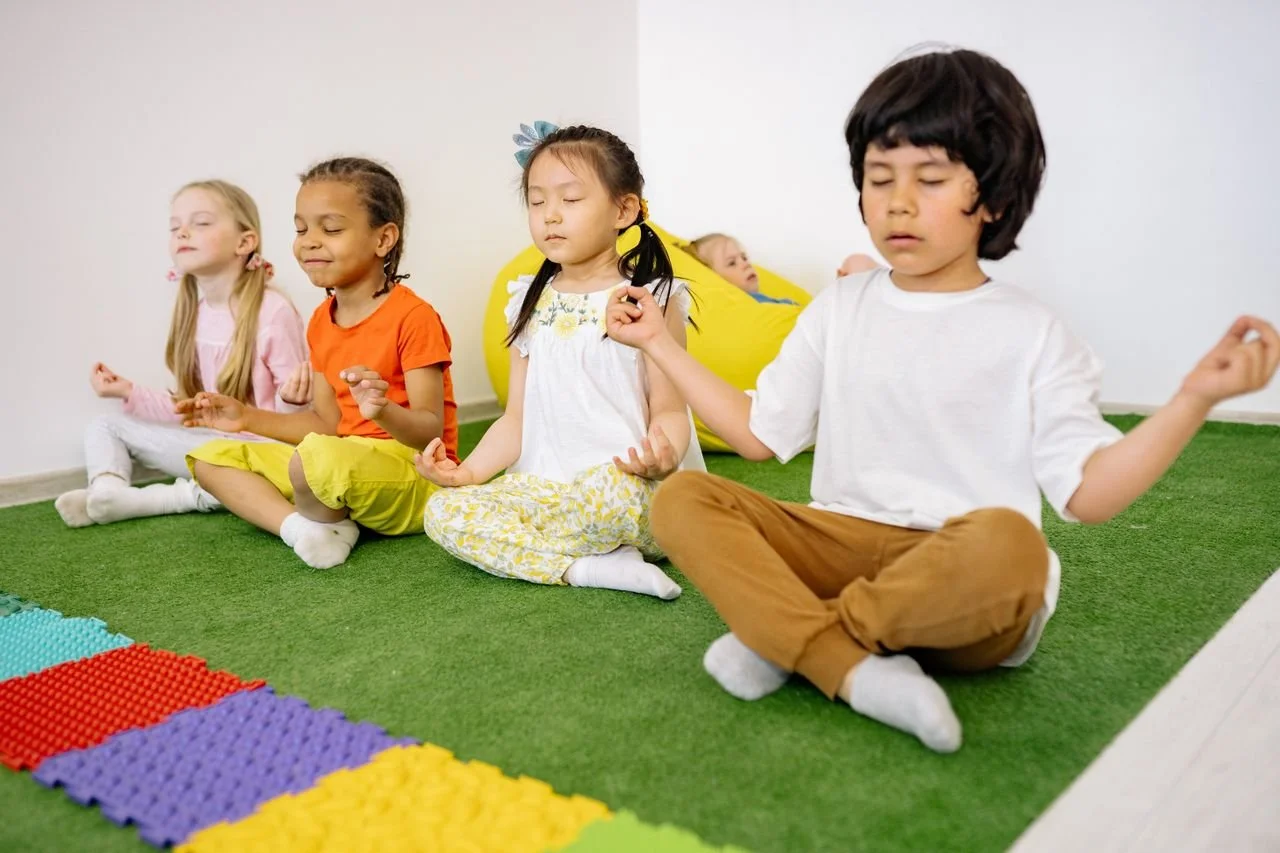
photo by Yan Krukau from pexels.com
by Niraj Naik, founder of SOMA Breath
Ask a room of students to "breathe in for four" and watch what happens. A few race ahead, a few hold their breath without meaning to, and someone giggles because the silence feels loud.
Often, the fix is not a new technique but better support. Music gives the breath something outside itself to follow, and that small shift can make breathing exercises easier to start, easier to share, and easier to repeat.
Why Is "Focus on Your Breath" Hard for Some Students?
Breathing is automatic, so students can find it quite challenging to be asked to notice something they rarely think about and cannot see.
A child tracking "in, two, three, four" is splitting attention between numbers and sensation, and the numbers often win. In a group, everyone counts at a different speed, and the rhythm quickly falls apart.
In a silent room, many students, especially teens, become acutely aware of their own breathing and everyone else's. For students dealing with anxiety or difficult experiences, turning attention inward can feel uncomfortable rather than calming.
The practice simply needs a clearer anchor of attention.
Does Music Actually Change How We Breathe?
Research suggests it can. In one laboratory study, participants' breathing became more regular while they listened to rhythmic music, and steadier still when they tapped along to the beat. The researchers proposed that musical rhythm can act like a pacemaker for the breath.
Another study found that tempo mattered more than musical style. Faster music tended to raise breathing rate and heart rate, while slower, meditative music encouraged relaxation, and a short pause after the music brought those measures down further.
Slow, steady breathing is also linked to greater heart rate variability, a marker of parasympathetic activity carried largely by the vagus nerve. This is the rest-and-digest side of the nervous system. Music does not do the calming on its own, but breathing exercises with music make slow, even breathing much easier to access and continue.
Why Music Makes Breathing Practice Easier
It replaces counting with listening. Students follow the beat, which frees attention for the breath itself.
It keeps the group together. A shared tempo gives the whole room one rhythm, and as students breathe in time, the class often settles together, a form of co-regulation that verbal instructions rarely achieve.
It softens the silence. Gentle background sound removes the awkward quiet many students find uncomfortable.
It makes practice enjoyable. Breathing exercises that feel like a pleasant pause are more likely to become a habit than a last resort.
What Kind of Music Works Best for a Breathing Practice?
Look for a steady, predictable tempo. Dramatic swells or sudden changes can raise energy instead of lowering it.Tracks around 60 beats per minute work well for settling, because each beat lasts about one second and is easy to follow.
Choose instrumental music. Lyrics pull attention toward words, rather than breathing patterns. Slower tracks suit transitions or the minutes before a test, while a slightly brighter tempo can lift a sluggish room after lunch.
If you would rather not count aloud, some breathwork programs offer guided breathwork sessions with tracks composed around specific breathing patterns, so the music itself cues each inhale and exhale.
How Long Should a Music-and-Breathing Break Be?
Two to five minutes is usually enough. With mindful breathing in the classroom, consistency matters more than length, so a brief settling routine built into the day beats an occasional long session. Here is a simple classroom routine:
Play the track softly and let students listen for 30 seconds.
Invite them to tap the beat lightly on their knee.
Breathe in for four beats and out for four, using gentle belly breathing. Older students can move toward a long exhale of six beats. Younger children, who naturally breathe faster, may prefer in for two and out for three.
Let the music fade and sit together for 20 seconds of quiet.
Ask for one word describing how they feel.
This kind of paced breathing also pairs well with playful breathing exercises for kids.
Caveats:
Skip breath holds and fast, forceful breathing.
Anyone who feels lightheaded should return to normal breathing.
What If a Student Doesn't Want to Close Their Eyes or Focus on Their Breath?
Use invitational language such as "you might try" or "if it feels comfortable," and make eyes open or a soft downward gaze the default rather than requiring eyes closed.
Offer alternative anchors: listening to the music, tapping the beat, or feeling their feet on the floor. A student who only listens is still practicing attention and self-regulation, even if they choose not to focus on their breath.
Breathing exercises should always be optional, and they are not a substitute for professional support when a student is struggling.
Does This Work With Older Students, or Only Young Children?
It works across ages. Breathing exercises for kids can be playful and story-based, while teens often prefer practical framing, like a reset before tests or games. Many older students find breathing exercises with music less awkward than silent practice, and it can complement strategies that ease performance anxiety before recitals or exams. With small adjustments, breathing exercises for students can work from kindergarten through high school.
Letting the Beat Do the Teaching
Music removes many barriers that make breathing exercises feel awkward to many students: counting, uneven pace, and loud silence. Mindful breathing in the classroom does not need to be complicated. Choose one steady instrumental track this week, try the routine, and notice how your students respond.

About the Author
Niraj Naik is the founder of SOMA Breath, a leading breathwork school currently being studied by Cambridge University. His passion lies in helping individuals unlock deeper levels of well-being through mindful breathing techniques.
Related Posts
There are many more resources on breathwork here at MindfulTeachers.org, including the following posts: