How to (And NOT to) Teach Students with Learning Difficulties
published September 21, 2026
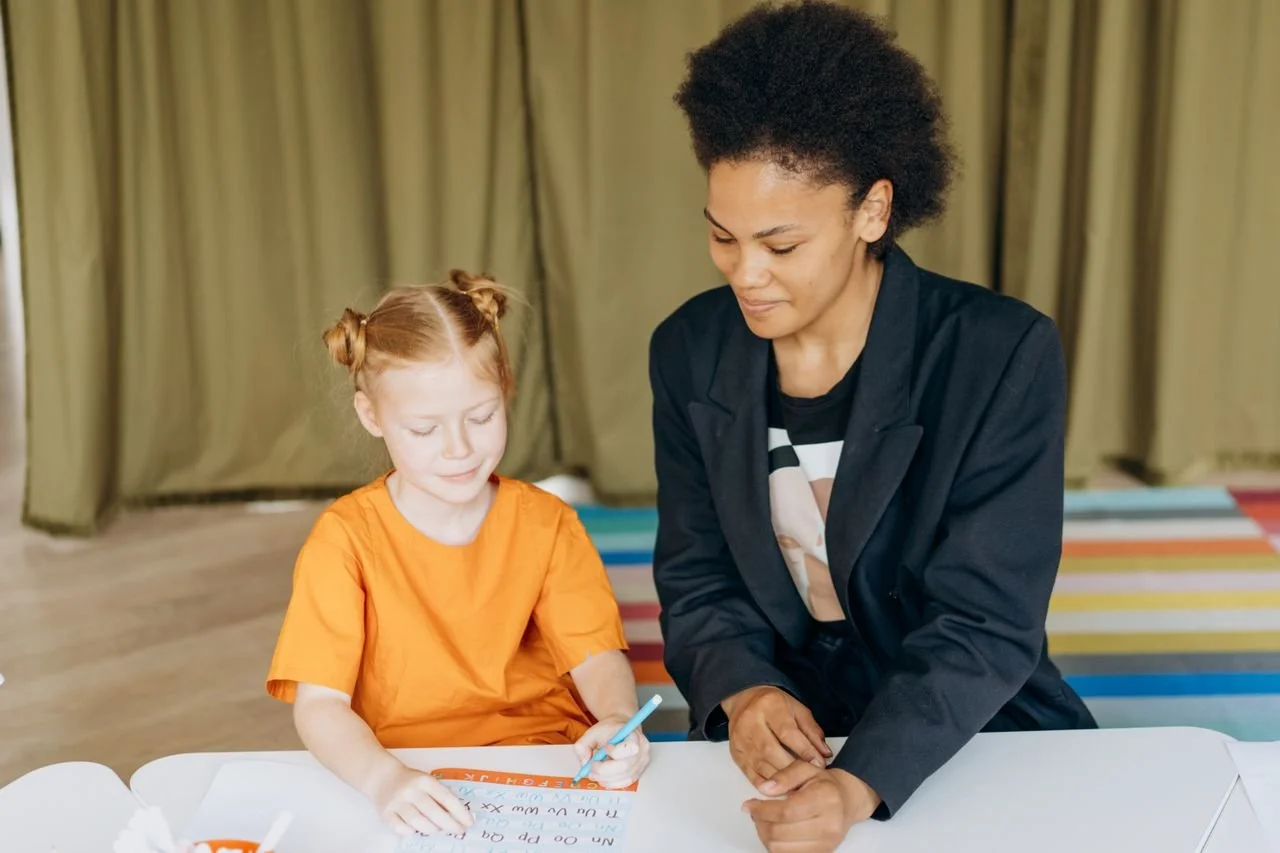
photo by Mikhail Nilov from pexels.com
by Wendy Forbes
When I was growing up, I had a deep-seated yearning. I desired to be like all the other children in my class who understood, the ones who had exercise books glistening with bright blue sparkling ticks that seemed to radiate power. It felt like there was an imaginary hierarchy, with some students awarded “GOLDEN stars” that gave them royal status, like they had won a Willy Wonka golden ticket.
As for me, well, I always felt deflated. I had this feeling of turbulence in my stomach on receiving my ginormous, monstrous red crosses, that bled a line of sadness on my page and shouted “You’re not clever!”
No glory or positive status for me. Just my five-year-old head bowed, concealing my shame and forcing back my tears. I was aware I wasn’t as abled as my peers.
Starting School in the 1960s
I started infant school* in the mid 60s. (*early primary school in the UK; ages 4-10/11) I still remember my first day. As a child on the spectrum with dyslexia, the impact of going to school truly shook my world. Suddenly the core structure of my day-to-day life changed, all of my routines, as well as the familiar sights, sounds, and smells, not to mention all of the significant people. Everything that kept me feeling safe and secure suddenly dissolved at that moment I stepped into my school at five years old.
During that period of time, the term autistic spectrum disorder did not exist. “Autism” was used to designate the most profoundly disabled children. Children who fell outside of this group were labelled all sorts of derogatory names and thought to be slow or called “simple”, as I was described by one teacher to another directly over my head. I didn’t know what it meant and actually thought it was something good because she smiled at me. I felt a tingle of joy that I had a nice label.
Even though dyslexia was known about during that period of time, it was thought to be a visual impairment. It was recommended that my eyes be tested and this came back normal. That was the only investigation I had in my entire school life.
I don’t blame my infant teachers back then for not realising that my inability to read, write, do maths or comprehend at the same level as my peers wasn’t because I was incapable but because I had barriers to my learning. I am grateful that they were always kind, patient and gentle.
The Trauma of Repeated Failure
As I progressed on to high school, my struggles got worse. The difference between Primary school and secondary school were huge. I did not receive any support at all, and none of my teachers ever addressed them or spoke to me about my difficulties even though I believe they were very obvious. Those were some of the worst days of my life.
I went through much of my school days always on edge, nervous, and full of anxiety but I masked, smiled and giggled my way through to cover my struggles.
Interestingly enough I always had this little competent self-assured voice in me saying, “I’m going to get my school work right next time” and I truly believed that I could do the work and achieve a golden star so I could be awarded with at that glowing smile of approval. Though that never happened, my inner voice never gave up on me, and l have achieved many other “gold stars” in my life.
Having said this, I grew up in a very loving and caring family who doted on me, and I felt loved by them and always safe. I loved being home more than anywhere else in the world.
The Power of Music
The only part of the curriculum that I felt could fully engage with in body, soul and mind, was song-time and instruments sessions. Suddenly I would feel a rush of adrenaline. I realised my imaginary weighted bag of accumulated school failings had slowly disintegrated. I felt alive, alert and engaged.
I felt a rich sense of confidence and so connected to everyone around me. Every instrument that serenaded its individual sound, every vocal note that was sung caused me to giggle and giggle. Suddenly my ears worked and I could hear and understand, I could see clearly, and I was fully present both in mind and in body. I understood the language of music. Not the intricacies of notations and signatures etc., no. But I felt the natural internal intuitive connection we all have with music and songs resonating at certain frequencies.
This was completely the opposite to the stomach rippling, fear, anxiety, and disengagement I felt struggling to learn to read and write as numbers and words played hide and seek on my blinding white paper that shone 1000 lumens into my eyes. I entered school as a fragile flower and left broken and internally wilted.
Music was so uplifting and exciting, and it was the only thing I felt I was good at. The void it filled, the emotional release and empowerment it gave me as a child was truly fundamental, as it still is today. I went through school and no one knew this about me. When playing my songs I did not feel “simple” as a label, but just a student tuned differently who needed a different method of engagement.
Tips for Teaching Students with Learning Difficulties
Based on my experiences as a child…
Please don’t play games that shame the incapabilities of the most vulnerable children while promoting and praising the skills of the most abled.
Please show support to vulnerable students. I had no support in high school, and no teacher ever communicated concerns.
Please don’t negatively speak over children’s heads about them as though they don’t have listening ears and feelings.
Please don’t give children crude red crosses of FAILURE in their books.
Please don’t assume that children were not listening when they complete their work incorrectly or say they don’t know what to do straight after you have explained. That isn’t always the case.
Please don’t use the more abled children to teach less able children or allow the struggling child to copy from their books.
Please don’t force children struggling with reading to read aloud in front of the class. That was humiliating for me.
Consider the sandwich, e.g.
Your story was beautiful and interesting, well done.
l felt you voice was a little too loud at lunch today.
Thank you for helping me collect the books.
Please don’t send children away on a negative.
Praise and recognition are the food for a child’s spirit, mind, body and soul. Treat them all to an equal amount, wrapped up in a basket of patience, kindness, empathy and love.
About the Author
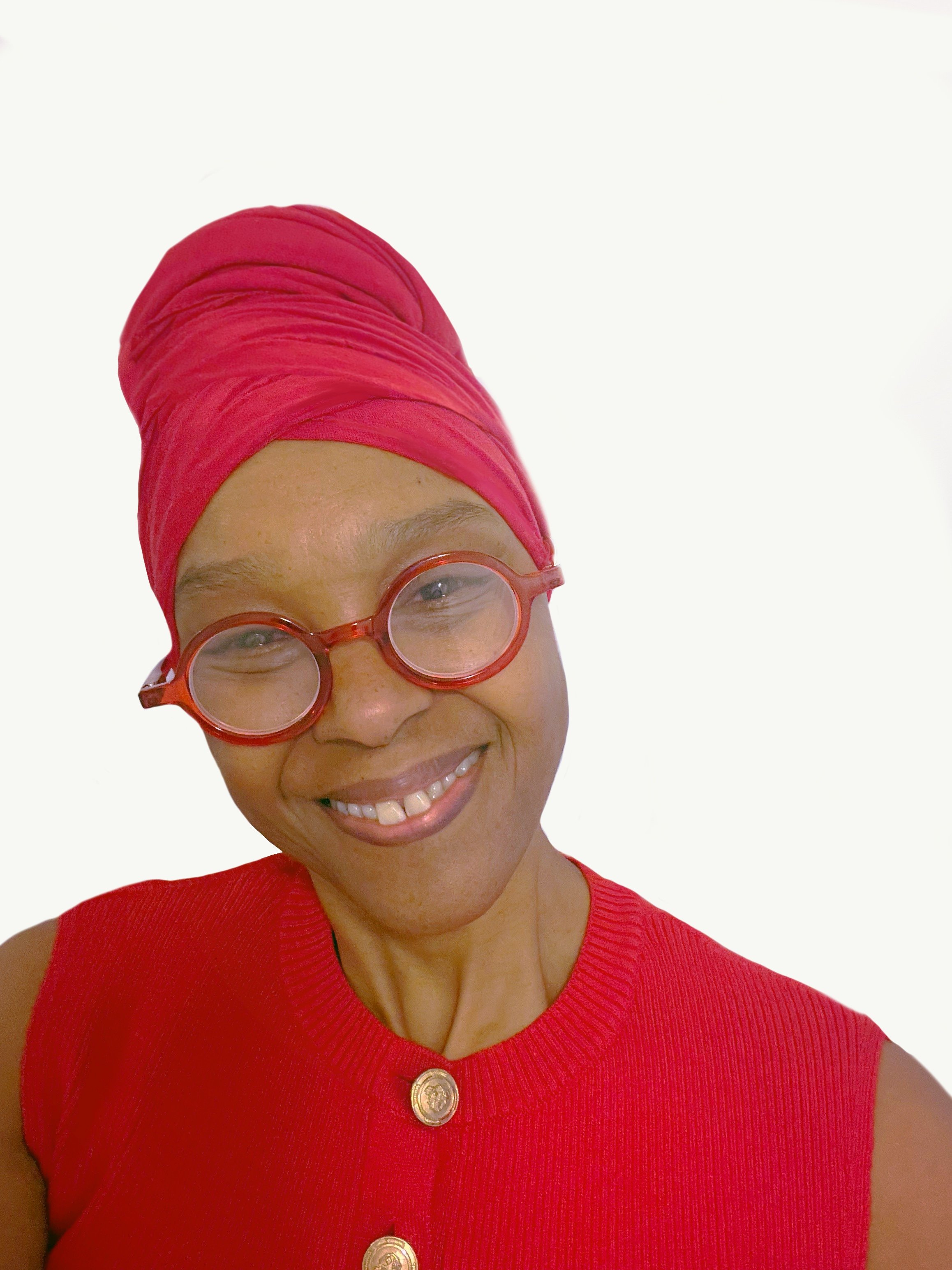
Musician Wendy Forbes has worked with children in a variety of settings. Over the years, she has been a learning mentor for primary school students, taught singing to ages 2-16, and worked at a home for children with profound disabilities. She has also worked as a nanny, a Hospital Play Specialist and volunteered for Victim Support as a children and young people case worker. You can find her songs for children on her Rosbabies YouTube channel.
Related Posts
There are many more resources here at MindfulTeachers.org on working with diverse groups of children, including the following posts: