

How Practicing Mindfulness Can Ease Performance Anxiety
published September 14, 2026
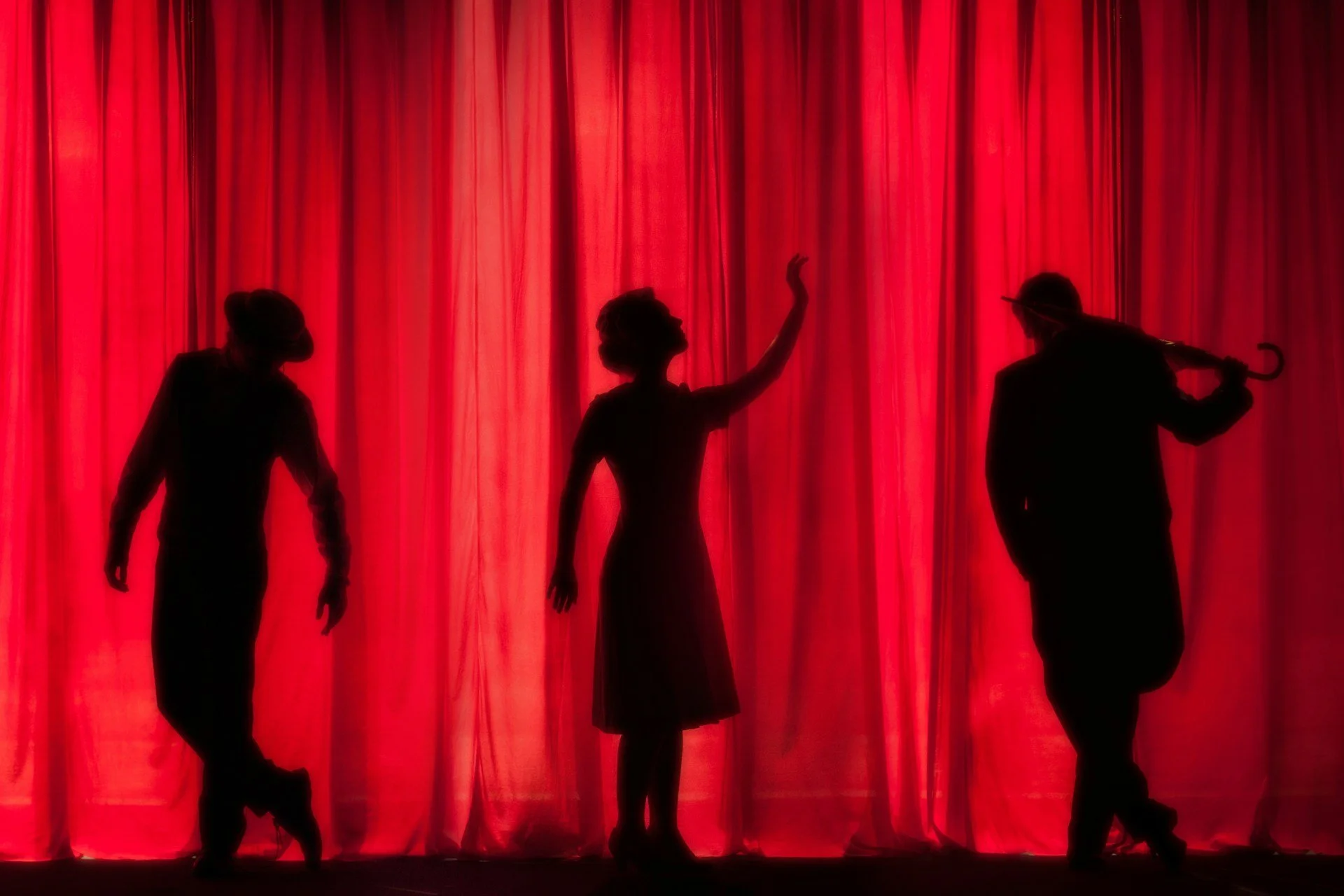
photo by Kyle Head at unsplash.com
by Tessa Dodson, Senior Writer of Classrooms.com
Trembling hands before a recital, pale faces prior to stepping onstage and sudden stomachaches ahead of a big presentation are signs of performance anxiety. Watching your students battle stage fright can be one of the hardest parts of teaching music, the arts or any subject that puts them in front of an audience.
While you can guide their technical skills, performance anxiety often feels beyond your control. Mindfulness practices can offer concrete tools to help ease that burden and support your students.
The Hidden Weight of Stage Fright on Performers
Performance anxiety is a common challenge for many musicians you’ll teach, and actors and learners preparing for a presentation likely feel the same tightening grip. It extends far beyond the pre-jitters that fade once the curtain rises or their lines begin. Research shows that up to 96% of music students and professionals experience some form of performance anxiety during their careers. That means the quiet student in the back row and your most technically gifted performer likely share the same fear. While the intensity varies, the experience is common enough that many of your students may need support navigating it.
When students understand that performance anxiety is normal rather than a personal failing, they can approach it with curiosity instead of shame. Many performers worry that they will be judged and make mistakes when they experience stage fright, but they are not alone in this experience. Once you name the challenge together, you can begin addressing it through mindfulness techniques.
Calming the Nervous System Through Somatic Mindfulness
Performance anxiety may show up in the body through racing hearts, sweaty palms, shallow breathing, chest tightness, muscle tension and nausea. The body kicks into threat mode, flooding it with what can feel like uncontrollable physical sensations.
Somatic mindfulness gives musicians and presenters alike a way to recognize what's happening without judgment and then calm themselves. When you use breath-based practices in your classroom or rehearsal space, you give your students tools to regulate their stress response in real time.
You can lead these physical techniques right before a recital or test:
5-4-3-2-1 technique: Students can identify five things they can see, four they can touch, three they can hear, two they can smell and one they can taste. This sensory exercise anchors them in the present moment and interrupts the spiral of anxious thoughts.
Box breathing: Learners can breathe in for four counts, hold for four, breathe out for four, hold for four. The breathing pattern naturally slows the heart rate and activates the body's calming response.
Feeling feet on the floor: Students can press their feet firmly into the ground, noticing the stability and support beneath.
Short walk: Taking a brief walk around the performance space before starting can help discharge nervous energy through gentle movement.
Quieting the Inner Critic With Cognitive Mindfulness
Your students might also battle perfectionism, fear of judgment and harsh inner voices telling them they'll fail. These mental patterns can be just as paralyzing as the physical symptoms, although they might not be as noticeable at first.
Cognitive mindfulness and acceptance-based interventions can significantly help reduce performance anxiety. A mindful approach to reducing stress can teach students to learn to observe their worries without being controlled by them.
These cognitive techniques can help shift performers’ mindsets before showtime:
Reframe anxiety as excitement: The physical sensations are nearly identical. When they say "I'm excited" instead of "I'm anxious," they're choosing a different interpretation of the same racing heart.
Accept mistakes as part of the process: Even seasoned professionals make mistakes, so perfection shouldn’t be the goal.
Practice visualization: A few minutes imagining how success might feel, sound and look can help to build a calmer, more confident expectation before they step onstage.
Use compassionate self-talk: You should encourage students to extend the same kindness inward that they would give to a nervous or struggling friend.
Helping Students Show Up With Confidence
When you equip your students with mindfulness tools, you're offering them skills that reach far beyond a single performance. In addition to preparing for a recital, stepping into a role onstage or presenting in front of the class, learners can use these techniques to handle test anxiety, social challenges and the everyday stresses of growing up. By validating their fears and teaching them practical ways to work through performance anxiety, you can help students build resilience and confidence.
About the Author

Tessa Dodson is the Senior Writer of Classrooms.com and is passionate about supporting teachers and offering practical strategies to help educators and their students succeed. She has previously written for Mindful Teachers about Simple Ways to Bring Mindfulness Into Arts Education and How Music Education Leads to Mindful and Motivated Students.
Related Posts
There are many more resources here at MindfulTeachers.org on coping with anxiety and on mindfulness in the arts, including the following posts: