How Yoga and Mindfulness Contribute to Well-Being: Q+A with Linda Yaron Weston
published 1/2/23; updated 8/2/25

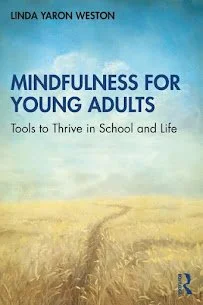
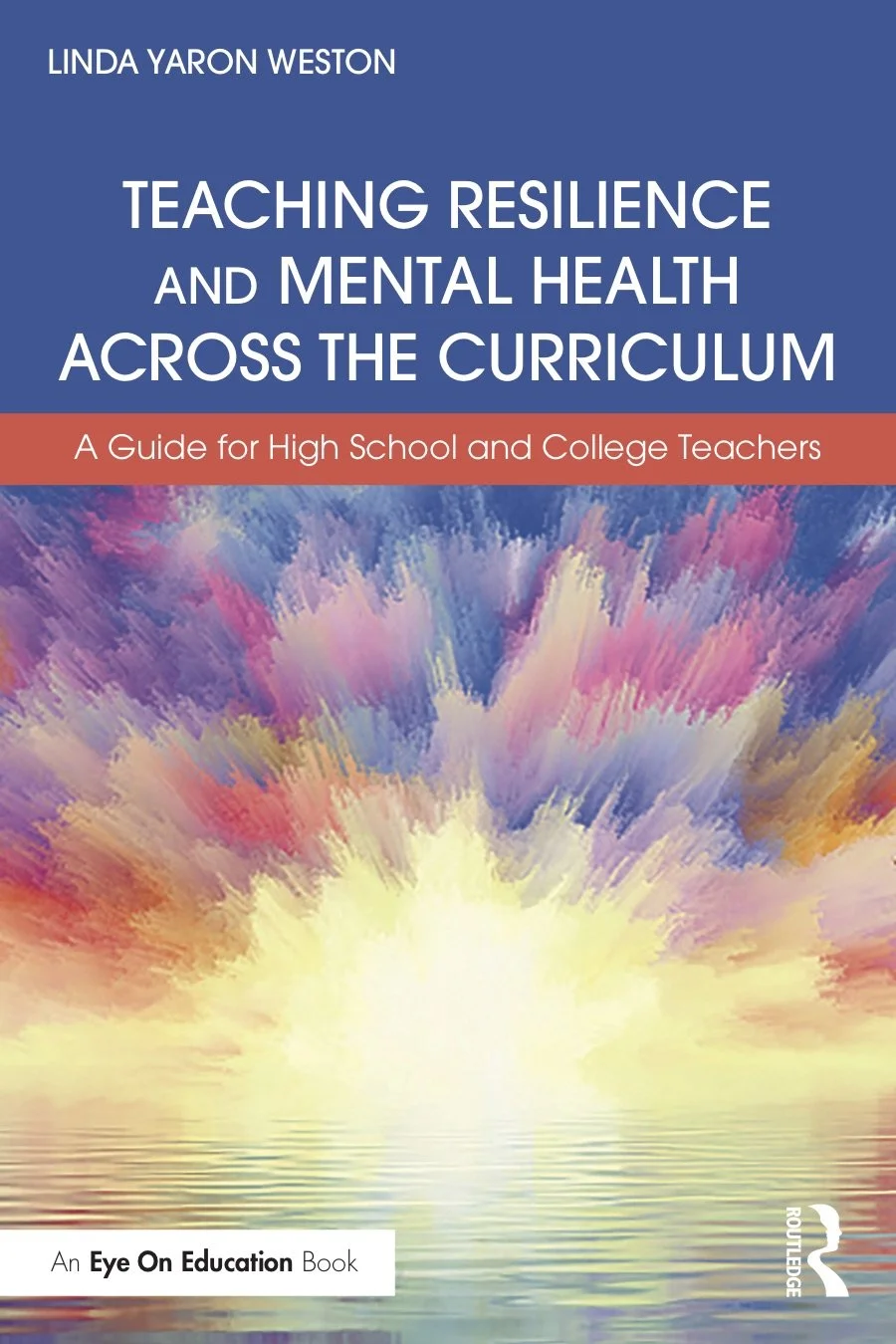
Linda Yaron Weston is the author of the books Teaching Resilience and Mental Health Across the Curriculum and Mindfulness for Young Adults.
A National Board Certified Teacher with twenty years of classroom experience teaching academic and well-being courses at the high school and college level, she lectures at the University of Southern California, where she developed their undergraduate mindfulness course. Her article “The Confidence to Cope: Building Well-Being Tools in a University Mindfulness Course” was recently published in the Journal of American College Health.
In this Q+A with Catharine Hannay, founder of MindfulTeachers.org, Linda discusses the challenges of students and teachers, and the importance of trauma-informed yoga and mindfulness instruction.
Catharine: In your opinion, how does mindfulness practice contribute to resilience and mental health?
Linda: Mindfulness offers tools to build presence, awareness, openness, and the capacity to be with what arises in life. It isn’t a silver bullet, but we can learn to grow our resilience, and we can do things that build our mental health in the same way that we might do things to build our physical health.
Over time, we can learn to take a breath, observe, and lean into the moments of our lives, with curiosity over judgment, presence over distraction, kindness over harshness. We can learn to be more responsive, rather than reactive, and consciously choose how we show up in life.
It isn’t always easy. It is a courageous practice to sit with ourselves in the moments of our lives in the spectrum of what it means to be human.
Catharine: What are some special considerations in teaching mindfulness to young adults as opposed to kids or older adults?
Linda: Young adults are navigating so much, particularly in these technology-rich times. They are at a crossroads transitioning from childhood to adulthood and trying to figure out who they are, what path they want to take, and how to make tough choices. They want and need autonomy, and at the same time, they need supportive communities.
Relationships are so important, knowing that someone cares about them and that they matter. I want my students to feel seen and heard in our classroom, and I try to create opportunities for them to connect with each other, including through sharing their resilience stories.
In a safe class community, we discuss topics that are real and meaningful for them, like decision-making, consent, technology, and success. Together they build tools to navigate and thrive and explore.
Catharine: How does your training in yoga help you in teaching mindfulness, and vice versa?
Linda: I apply an interdisciplinary, integrated approach to teaching that draws on my background in not just yoga and mindfulness, but also literature, human development, positive psychology, health, stress resilience, and education. I draw from the tools, texts, research, and practices that each discipline offers.
For example, in my mindfulness classes at USC, I teach yoga breathing techniques and discuss research around conscious breathing and the nervous system. In my yoga therapy classes there, I include mindfulness meditation practices for working with emotions and coping with anxiety. These integrated tools can help students flourish in school and life.
Catharine: How can yoga and mindfulness help in healing from trauma, and what kind of training should teachers have before engaging in this type of work?
Linda: Yoga and mindfulness can help us learn how to pause, breathe, notice, and process what arises. They offer tools that can give us the courage, patience, and compassion to be with ourselves in our human experience, rather than numbing out or becoming overwhelmed. Over time, we learn that we are who we are not in spite of, but because of the challenges we have faced. And we learn to hold what arises with kindness.
Difficult thoughts and emotions may arise when we sit with awareness of what we’ve been holding onto, and so it can be useful for mindfulness and yoga teachers, as well as teachers across subject areas, to have training in trauma-sensitive instruction.
It is important to note that yoga and mindfulness teachers are not mental health professionals and that these practices are not a substitute for therapy or professional help. What they can be is a powerful complement and toolbox for well-being practices that can help us be more present, clear, connected, conscious, and open. We don’t need to force healing to happen, rather we create the conditions for the body to feel safe, for the mind to rest, and for the trauma to metabolize.
Catharine: In the description for the new Mindfulness for Educators Certificate Program you’ll be teaching at USC, you acknowledge that “Navigating what it means to teach and learn today should not have to require so much resilience.” How can individual educators contribute to positive systemic changes while simultaneously trying to find work-life balance?
Linda: It’s tough. I know many amazing teachers who are having a significant impact in their schools and communities and are stretched thin from the demands of the job. I appreciate the structure of hybrid positions where educators teach classes part of the day and in the other part work on the bigger school or system issues so that this work is built into the school day and not an add-on to already full plates.
With the countless challenges that students and teachers face, mindfulness is not a quick fix. The answer to education inequities or inadequate schooling conditions is not to be more resilient or meditate and be more calm in the face of them. Significant, structural changes are needed to transform the schooling system to be more humane, livable, sustainable, and equitable.
At the same time, there are things we can do to support and protect our beings on an individual and collective level to sustain and thrive in the profession. The Mindfulness for Educators program is designed to support teachers in learning tools they can use in their classrooms and lives. It is based on my curriculum book Mindfulness for Young Adults: Tools to Thrive in School and Life for a practical, applicable approach to teaching. I hope that someday well-being or mindfulness trainings like these are included in teacher preparation programs so that educators are equipped with these needed tools to both cope with the stresses of the job and share with their students.
Catharine: What does your own yoga and mindfulness practice look like, and how has it evolved over the years?
Linda: Over time it’s become a personal blend of mindfulness meditation and restorative, therapeutic, and Iyengar yoga. My practice has shifted from one of movement to stillness. I started out taking athletic yoga classes twenty years ago, which was great for that time in my life, but as my practice has deepened over the years, it’s softened to be slower, gentler, kinder, and more meditative, intentional, and expansive. A coming home.
Related Posts
There are many more resources here at MindfulTeachers.org on best practices in teaching yoga and mindfulness in schools, including the following posts: