Culturally-Sensitive, Trauma-Informed Mindfulness and SEL for Kids: Q+A with Annamarie Fernyak and Julie Braumberger
published April 9, 2025

Annamarie Fernyak is a mindfulness coach and the author of The Right Side Of Happiness A Practical Guide for Embracing Mindfulness and Living Your Best Life. She is the founder of Mind-Body Align.
Julie Braumberger is a third grade teacher and the director of mindfulness education at Mind-Body Align.
Mind-Body Align offers professional development workshops, an eight-week mindful SEL curriculum, and Labyrinth Adventures, a series of children’s books that provides targeted support to equip Grade 2 & 3 students with lifelong social-emotional skills.
In this Q+A with Catharine Hannay, founder of MindfulTeachers.org, Annamarie and Julie discuss how the Mind-Body Align approach helps create a classroom environment where students feel successful, teachers experience fewer disruptions, and everyone can engage in learning with confidence and resilience.
Catharine: Your program focuses on the key areas of attentional control, self-awareness, and emotion regulation. In your opinion, how do these three components work together to help students and teachers?
Annamarie and Julie: Attentional control, self-awareness, and emotion regulation work together to create a strong learning foundation for both students and teachers in the classroom, and these skills are at the heart of Labyrinth Adventures, our new social and emotional learning curriculum. In Labyrinth Adventures, children practice these skills through delightful stories filled with challenges that encourage focus, emotional understanding, and self-regulation.
Attentional control helps students stay engaged in learning activities, which is truly a gift to teachers everywhere. It reduces distractions and improves their ability to complete tasks. Self-awareness allows students to recognize their emotions, helping them navigate challenges that inevitably arise in everyday life. Emotion regulation enables students to manage their responses to these challenges and helps them settle down into learning.
When a character in Labyrinth Adventures encounters an obstacle, they pause to assess their feelings before choosing a strategy to move forward. This mirrors how students can recognize strong feelings and use problem-solving skills rather than giving up or doing or saying something that might get them into trouble. Just as the characters in the labyrinth take deep breaths when faced with tricky situations, students can use these same techniques to stay calm and make thoughtful choices.
By integrating these skills, Labyrinth Adventures helps create a classroom environment where students feel successful, teachers experience fewer disruptions, and everyone can engage in learning with confidence and resilience.
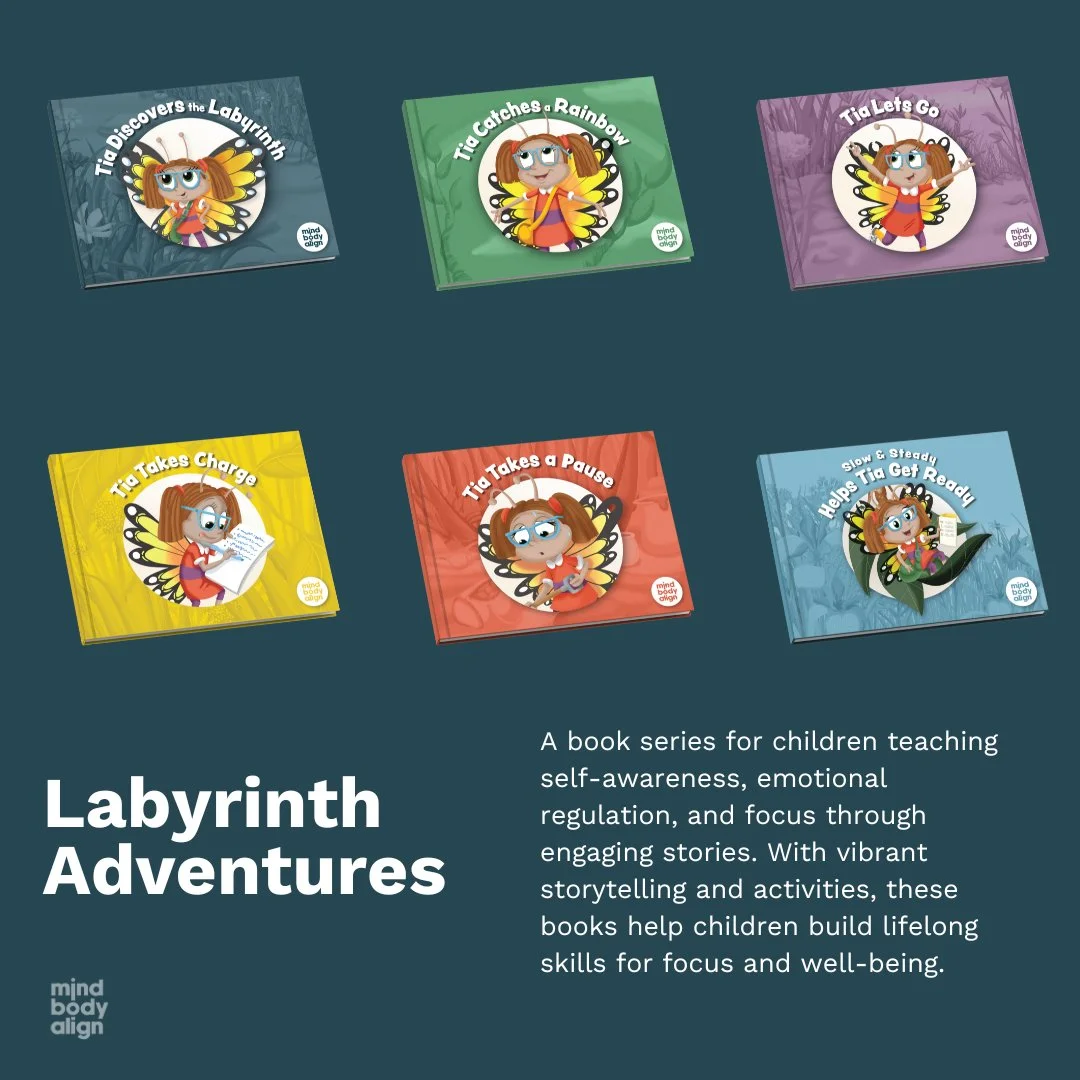
Illustrations by Art Mawhinney. Used with Permission.
Catharine: Over the past few years, there’s been an increasing awareness of the need for culturally sensitive and trauma-informed practices in mindfulness and SEL. What should teachers and trainers watch out for when they’re choosing activities and resources?
Annamarie and Julie: When choosing a social and emotional curriculum, it’s important that teachers ensure they are culturally sensitive and trauma-informed, just like the experiences in Labyrinth Adventures. They might be curious and ask themselves, “Is there a curriculum that provides the opportunity for children to exercise agency in their learning?” In this way the curriculum encourages reflection, self-awareness, and choice.
Avoid One-Size-Fits-All Practices – Some SEL techniques may not feel safe for all students. Instead of requiring stillness or silence, Labyrinth Adventures includes movement-based exercises and invites students to engage in the lessons in ways that feel comfortable.
Be Aware of Triggers – Breathing exercises or body scans can sometimes activate trauma responses. In Labyrinth Adventures, students learn multiple self-regulation strategies, like focusing on textures or sounds, so they can choose what works best for them.
Honor Varied Experiences – Our team asked ourselves, “What would the lessons include if they were to reflect a variety of students’ backgrounds?” Labyrinth Adventures includes characters with different strengths, challenges, and perspectives, helping all children feel seen and valued.
By prioritizing safety, choice, and all-inclusiveness, teachers can create a supportive learning environment where all students can explore social and emotional learning in a way that respects their needs and experiences.
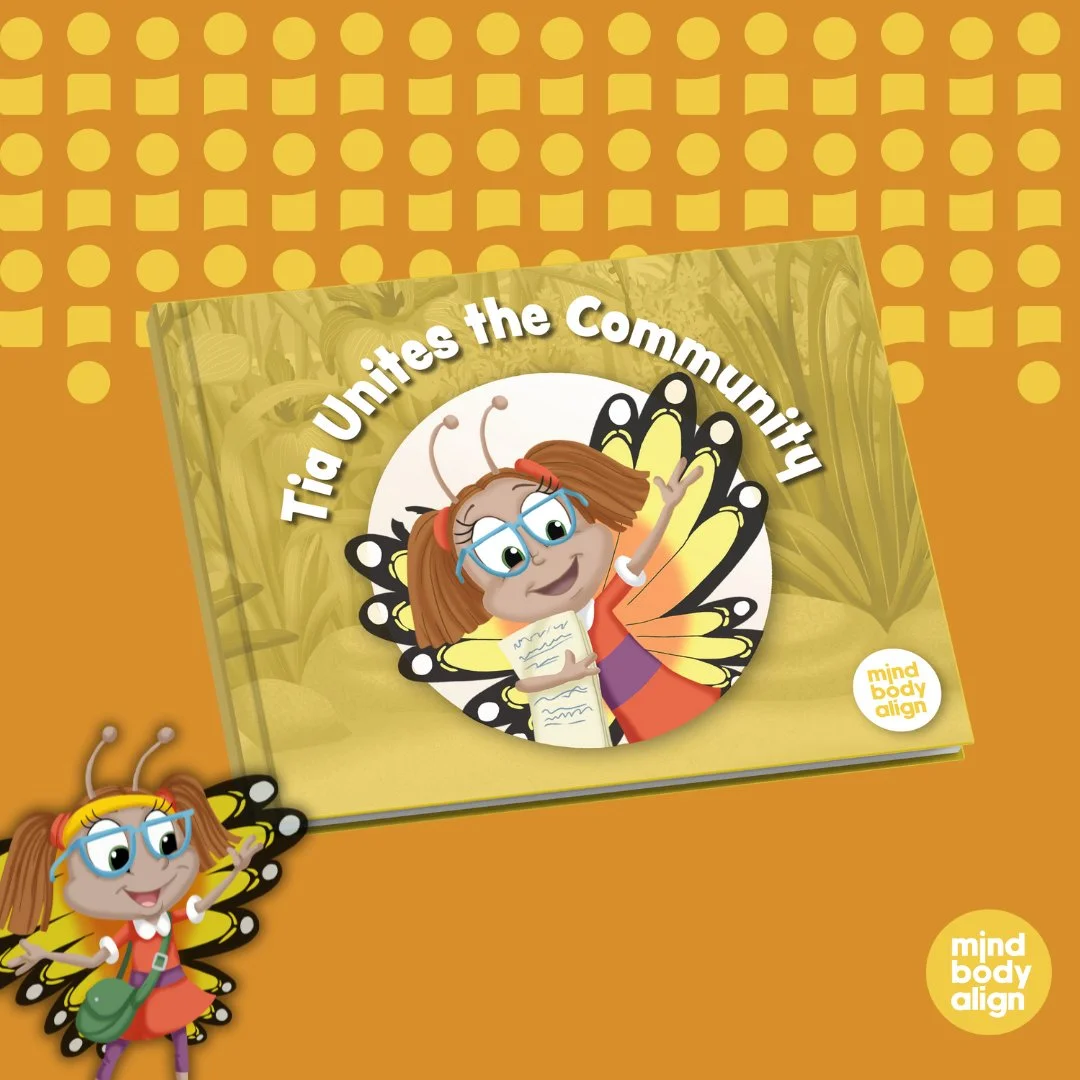
Illustration by Art Mawhinney. Used with Permission.
Catharine: Some school districts have faced objections to classroom-based mindfulness and SEL programs because of concerns that there may be a religious or political agenda. Have either of you had any pushback from parents or the local community, and if so, how did you address their concerns?
Annamarie and Julie: Yes, we do receive pushback at times. Some parents and community members worry that SEL may have a religious or political agenda. When this happens, we take a proactive approach by providing schools with clear information that supports Labyrinth Adventures as a fully secular program.
We believe in full transparency, so we share our curriculum and activities with parents, teachers, and administrators. We make it clear that our focus is on attentional control, self-awareness, and emotion regulation—core skills that help students succeed in life, both academically and socially.
By having open conversations, addressing concerns directly, and providing 100% full disclosure, we help schools and families feel confident that Labyrinth Adventures is designed for all students, regardless of background or beliefs. Our goal is to create a safe environment where children can develop lifelong emotional and cognitive skills.
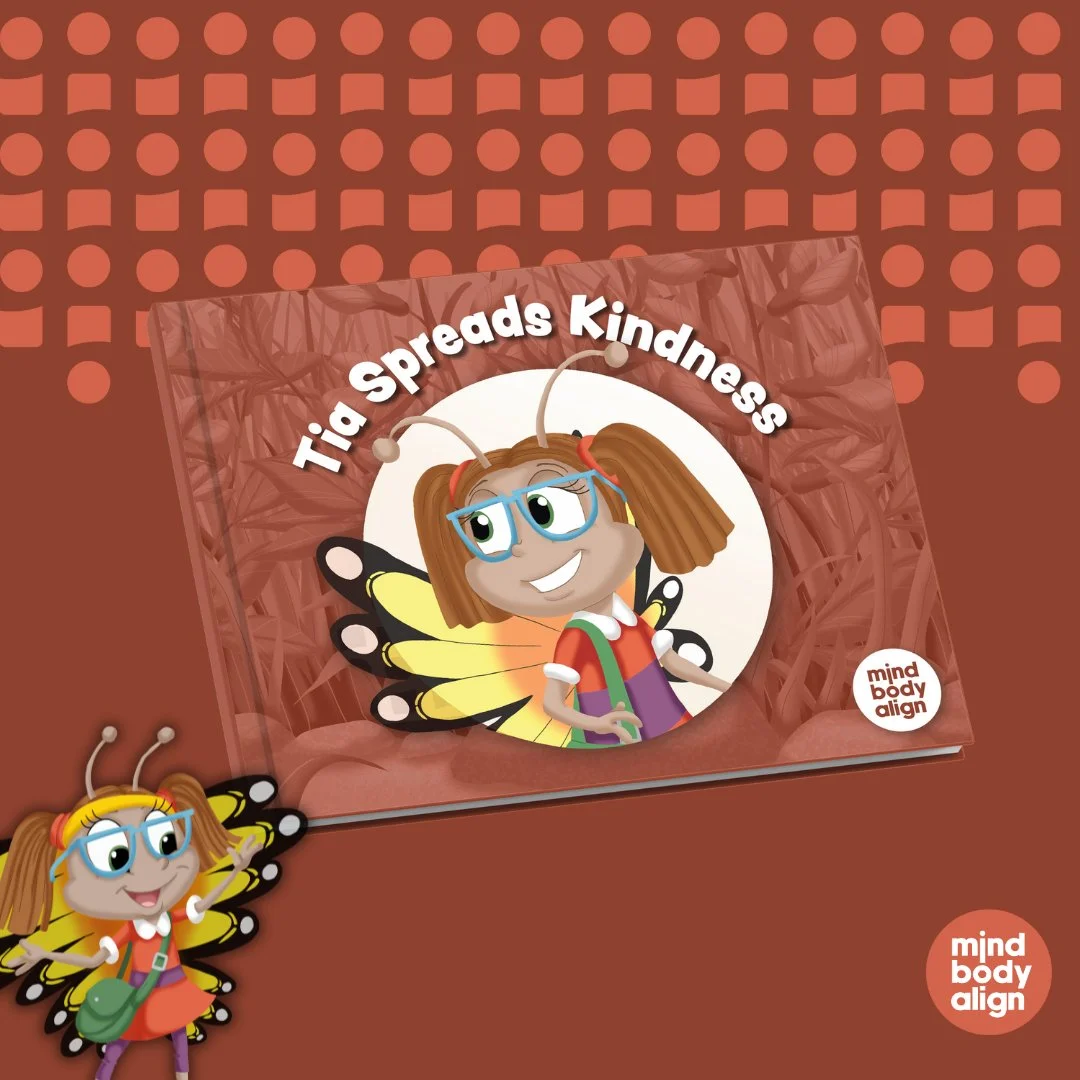
Illustration by Art Mawhinney. Used with Permission.
Catharine: Julie, you’ve taught in both a big city and a small town. Have you changed your teaching approach when you’ve worked in different contexts, or do you find that most kids have similar needs?
Julie: No matter where I’ve taught—whether in a big city or a small town—kids have similar core needs: they want to feel safe, seen, and supported. However, I have adapted my teaching approach based on the community and classroom environment.
In larger cities, students often come from many different backgrounds, so I make sure lessons in Labyrinth Adventures reflect a wide range of experiences and perspectives. In smaller towns, where communities can be more close-knit, I focus on making SEL lessons feel personally relevant to students' daily lives.
One key difference is how I introduce social and emotional learning. In some communities, there’s more skepticism, so I take extra time to explain the science behind our secular approach. Regardless of location, kids respond to engaging, movement-based activities that help them regulate emotions and build attentional skills. The heart of Labyrinth Adventures remains the same: giving every child tools to navigate challenges with resilience.
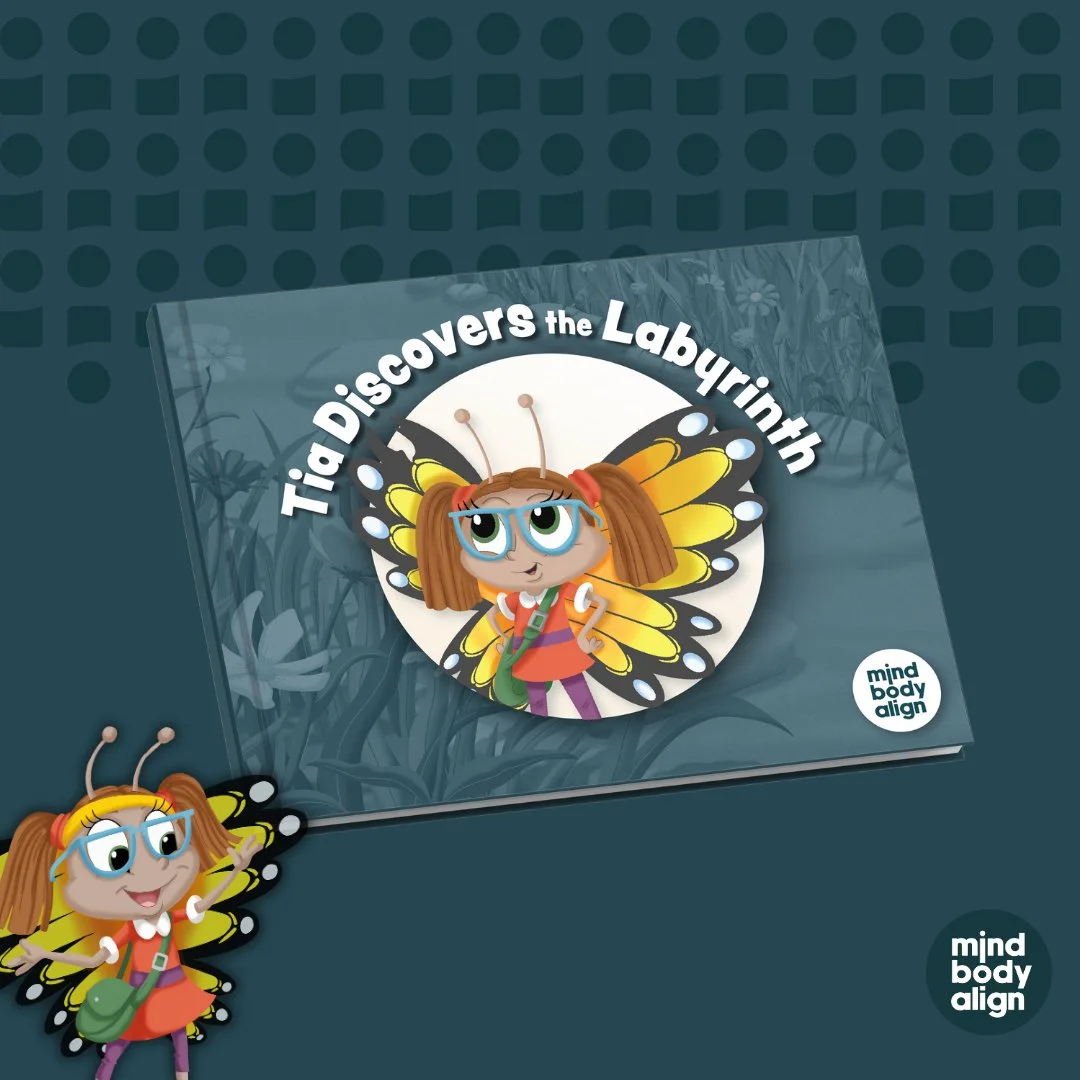
Illustration by Art Mawhinney. Used with Permission.
Catharine: Annamarie, the Labyrinth Adventures children’s book series is based on an actual labyrinth on your farm in Lucas, Ohio. Why did you decide to create a labyrinth, and how does it benefit you and your family?
Annamarie: Thank you for asking, I love to share about my labyrinth. I had first seen walking labyrinths in my travels—beautiful, winding paths designed for contemplation and introspection. They fascinated me. There was something about the way they encouraged slow, mindful movement that felt deeply peaceful. So, when I looked out over my farm, with all its open space, I thought, “Why not create one here?” It seemed like the perfect way to bring a little of that magic home—not just for me, but for my friends and family too. And honestly? It just sounded like fun.
From the start, I wanted this labyrinth to be more than just a path; I wanted it to be an experience. I envisioned a space that would tickle all the senses—plants that smelled incredible, flowers that brushed against your skin as you passed, colors that popped like a living rainbow. I worked with an amazing landscaper, Dwight, who helped bring my vision into a reality.
Dwight planted perennial herbs, fragrant blooms, and grasses that rustle in the wind. Even the path itself plays along—the special gravel he chose makes the most satisfying crunch underfoot. And just to make sure the whole experience wrapped you up in serenity, I planned the garden to nestle next to a river, so the sound of running water is always part of the journey.
At the time, Mind Body Align was focused on bringing alternative wellness practices to professional women, offering ways to be intentional to living a healthy and happy life. The labyrinth became my way of introducing an introspective exercise in a way that didn’t require sitting still or following complicated steps. You simply walk, pay attention to your senses and the world around you, breathe, and let yourself be. It’s become a place where my friends and family can unwind, connect with nature, breath, and enjoy a moment of peace.
What started as a “this-could-be-fun” idea has turned into something much bigger—a space for reflection, connection, and maybe even a little wonder.
As an aside, Dwight, my landscaper, passed away while my team was writing the Labyrinth Adventures stories. We named the main character, Dwight, the grasshopper, after him.
Catharine: Annamarie and Julie, what does your own personal mindfulness practice look like, and how has it evolved over the years?
Annamarie: For me, mindfulness isn’t just about meditation—it’s a way of living, a daily commitment to being present, aware, and aligned with my best self. In my book, The Right Side of Happiness, I share my journey with mindfulness—the ups, the downs, and the real, practical ways it has changed my life. It’s not about perfection; it’s about showing up, again and again, with curiosity and kindness.
At the heart of my practice is a simple truth: "Mindfulness isn’t about clearing your mind of thoughts—it’s about noticing them, accepting them, and choosing where to place your attention." Some days, that means a deep, peaceful meditation. Other days, it’s as simple as remembering to take a breath before I react. Both count.
I use my senses as my guide. If I feel overwhelmed, I pause and check in: What do I hear? What do I smell? Can I feel my feet on the ground? Our senses are always present, always available, and they pull us back to now. In The Right Side of Happiness, I wrote, "Your senses are your map to mindfulness. They are always here, inviting you to wake up to what’s happening right now."
Mindfulness has also been my greatest tool for self-compassion. I used to think I had to fight my thoughts, push away self-doubt, and constantly work to fix myself. But mindfulness taught me the opposite—true change happens when I stop resisting and start listening. "I realized that the more I judged myself, the more stuck I became. But when I met myself with kindness, things started to shift."
I wrote The Right Side of Happiness because I know what it feels like to live on autopilot, to be caught up in stress, self-doubt, and constant busyness. And I also know the incredible relief that comes from slowing down, tuning in, and intending to live joyfully. The Right Side of Happiness is an invitation—to pause, to breathe, and to discover the happiness that comes from simply being present.
Julie: I’m relatively new to mindfulness, but it’s become a core part of my work with my own children, as well as the educators and students that I teach. I started studying mindfulness eight years ago and became certified to teach mindfulness education. My personal practice has grown alongside my teaching, and will continue to evolve, ebb and flow.
At first, mindfulness for me was very hard, like starting an exercise program at the gym. I was not able to do it well. It was just about slowing down and taking a few deep breaths when things felt overwhelming. Over time, my practice grew and now includes more informal mindful moments such as movement, journaling, and daily gratitude, all of which help me stay present and responsive in my life.
Creating and teaching Labyrinth Adventures has deepened my practice, too. As I guide students through breathwork, body awareness, and paying attention to what is happening right here, right now, I’m reminded to use these same tools in my daily life. I’ve learned that mindfulness isn’t about perfection—it’s about showing up, practicing self-compassion, and staying curious. That’s what I hope to pass on to my students, no matter where they are and what experiences they bring to the room.

You can find more information about the Labyrinth books and 8-week curriculum at MindBodyAlign.com.
And follow Mind-Body Align on Instagram to see the adventures of Tia and Dwight.
Related Posts
There are many more resources here at MindfulTeachers.org on mindfulness in schools and teaching mindfulness and SEL to children, including the following posts: